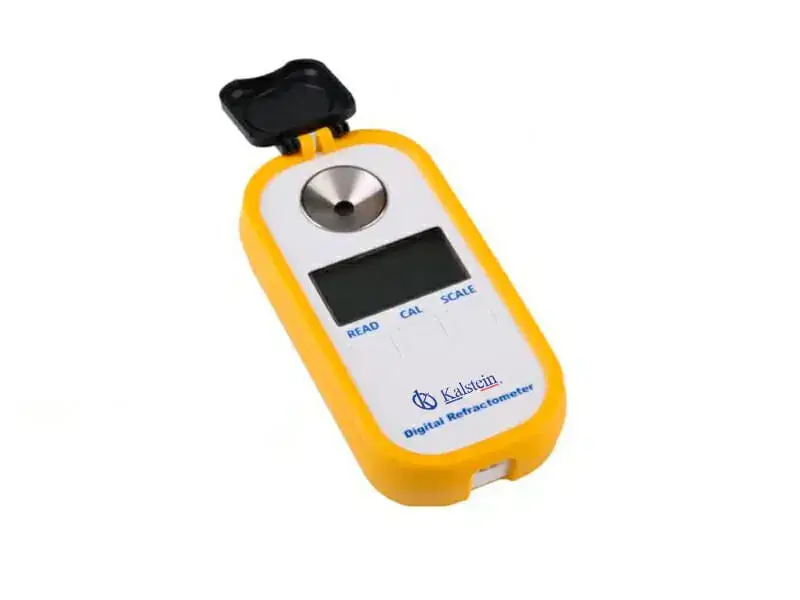
How to Integrate Digital Salinity Refractometers with LIMS for Enhanced Data Management?
In the ever-evolving landscape of laboratory data management, integrating digital salinity refractometers with Laboratory Information Management Systems (LIMS) offers significant advantages. This article explores the integration of these refractometers within LIMS, focusing on improving data flow, accuracy, and compliance. By analyzing various models, we will illustrate how specific features align with the demands of modern laboratory practices.
Understanding Digital Salinity Refractometers
Digital salinity refractometers are precision instruments used to measure the salinity of solutions, such as sodium chloride and seawater. These instruments provide not only accurate salinity readings but also often include built-in automatic temperature compensation (ATC), which enhances their usability in fluctuating environmental conditions. The integration with LIMS plays a crucial role in optimizing laboratory efficiency and ensuring data integrity.
Why LIMS Integration Matters
Integrating digital salinity refractometers with LIMS facilitates seamless data management, enabling laboratories to efficiently handle large datasets. This integration allows for automatic data capture, reduces manual data entry errors, and enhances traceability. Furthermore, it supports regulatory compliance by ensuring that data is securely stored and easily retrievable.
Key Features of Digital Salinity Refractometers
In assessing which digital salinity refractometer to incorporate into a LIMS, several key features must be considered:
- Measurement Range: Different models offer varying ranges of salinity measurement, which is critical for specific applications.
- Accuracy: The precision of readings significantly impacts data integrity and compliance.
- Automatic Temperature Compensation (ATC): This feature ensures that readings remain consistent despite temperature variations.
- Connectivity Options: The ability to connect with LIMS through various protocols enhances data flow.
Comparison of Available Models
| Model Code | Measurement Range | Minimum Division | Accuracy | ATC | Best For |
|---|---|---|---|---|---|
| YR05953 | 0.0--28.0% | 0.10% | ±0.1% | Yes | Salinity testing in fresh water |
| YR05954 | 0--280‰ | 1‰ | ±1‰ | Yes | Marine water analysis |
| YR05955 | 1.000-1.217 | 0.001 | ±0.002 | Yes | Density measurements |
| YR05956 | 1.3330--1.3900 nD | 0.0001 nD | ±0.0003 nD | Yes | Refractive index measurements |
| YR05957 | 0—100‰ | 1‰ | ±2‰ | Yes | General salinity testing |
| YR05958 | 0--57‰ | 1‰ | ±2‰ | Yes | Clinical applications |
| YR05959 | 1.000-1.070 | 0.001 | ±0.002 | Yes | Density analysis |
| YR05960 | 1.3330--1.3530 nD | 0.0001 nD | ±0.0003 nD | Yes | Refraction index measurement |
Integrating LIMS with Digital Salinity Refractometers
To achieve successful integration, consider the following steps:
- Assess Compatibility: Ensure that the refractometer model supports the protocols of your LIMS.
- Configure Protocols: Utilize standard protocols such as ASTM or REST for data exchange.
- Establish Data Flow: Create a workflow for how data from the refractometer will be transferred to the LIMS.
- Training and Validation: Train staff on the integration process and validate the system to ensure it meets laboratory standards.
Challenges in Integration and Solutions
While the benefits of integration are numerous, challenges such as data discrepancies and user resistance can arise. Addressing these issues involves:
- Regular Calibration: Implement a strict calibration schedule to prevent data inaccuracies.
- User Training: Ensure all users are adequately trained on both the refractometer and the LIMS.
- Continuous Monitoring: Regularly review data flow and address any issues promptly.
Common Mistakes and How to Avoid Them
Laboratories often encounter pitfalls during integration. Here are common mistakes to avoid:
- Neglecting User Feedback: Failing to involve end-users can lead to resistance. Regular feedback sessions can help refine processes.
- Ignoring Data Security: Ensure that all data transferred between systems is encrypted to protect sensitive information.
- Overlooking Maintenance: Regular maintenance of both refractometers and LIMS is critical for sustained performance.
Frequently Asked Questions
How can digital salinity refractometers improve laboratory data management with LIMS?
Digital salinity refractometers, such as the YR05954, enhance laboratory data management by automating data capture and reducing manual errors. This integration ensures real-time data availability and compliance with industry standards.
What are the connectivity options for integrating digital salinity refractometers with LIMS?
Models like the YR05956 offer connectivity options that support various protocols such as ASTM and REST, helping to facilitate seamless integration with LIMS.
What impact does automatic temperature compensation have on data accuracy in refractometers?
The YR05953 model's automatic temperature compensation (ATC) ensures accurate salinity measurements by adjusting readings based on temperature variations, significantly enhancing data reliability.
Which digital salinity refractometer is best for marine water analysis?
The YR05954 is specifically designed for marine water analysis, measuring salinity in the range of 0--280‰ with high accuracy, making it an excellent choice for such applications.
How does integrating digital salinity refractometers with LIMS ensure compliance with regulatory standards?
Integrating models like the YR05957 with LIMS allows for automated data tracking, enhancing traceability and compliance with regulatory standards required in laboratory environments.
What are the advantages of using digital salinity refractometers in clinical applications?
The YR05958 model offers a user-friendly interface and precise readings, making it a valuable tool in clinical applications that require accurate salinity measurements for patient care.
Why is regular calibration important for digital salinity refractometers?
Regular calibration ensures that digital salinity refractometers, such as the YR05955, maintain accuracy and reliability over time, preventing errors in critical laboratory measurements.
What steps should be taken to troubleshoot integration issues between LIMS and refractometers?
To troubleshoot integration issues, regularly review data flow, ensure compatibility of models like the YR05960, and provide training for users to address potential challenges as they arise.
If you are looking for a fusion of innovation and quality, you have come to the right place. At Kalstein, we offer you the luxury of exploring our exclusive catalog of laboratory equipment. We manufacture every device to the highest standards of excellence. Our intuitive and seamless online purchasing channels are designed for your convenience, securing the most competitive prices. Hesitate no longer — we bring science to life, it is time to become part of our community.