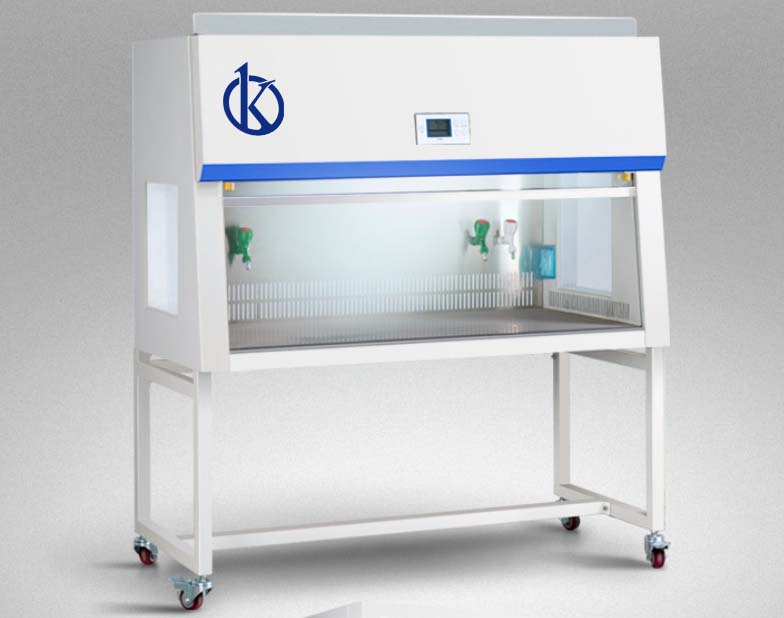
How to Integrate Vertical Laminar Flow Clean Benches with LIMS for Data Digitalization?
In the modern laboratory environment, the integration of laboratory equipment with Laboratory Information Management Systems (LIMS) is crucial for optimizing workflows, ensuring compliance, and enhancing data management. This article delves into the integration of Vertical Laminar Flow Clean Benches, focusing on how these systems can improve data digitalization and streamline laboratory processes.
Understanding the Role of Vertical Laminar Flow Clean Benches in Laboratories
Vertical Laminar Flow Clean Benches are vital for providing a sterile environment necessary for various applications in biotechnology, pharmaceuticals, and electronics. They ensure that the air flow is directed in a vertical manner, protecting sensitive materials from contamination. The clean benches covered in this article include:
- Laminar Flow Cabin (Double Person) YR05267-1
- Horizontal Laminar Flow Cabin YR05734
- Horizontal Laminar Flow Cabin YR05735
- Laminar Flow Cabin YR05736
- Laminar Flow Cabinet YR05737
- Laminar Flow Cabin YR05738
Key Benefits of Integrating Clean Benches with LIMS
The integration of Vertical Laminar Flow Clean Benches with LIMS systems offers several significant benefits:
- Enhanced Data Management: Streamline data collection regarding environmental conditions, usage statistics, and maintenance schedules directly into the LIMS.
- Regulatory Compliance: Facilitate compliance with standards such as ISO 14644.1 by automating data reporting and ensuring traceability of results.
- Improved Workflow Efficiency: Minimize manual data entry and reduce errors by automating the transfer of data from the clean benches to the LIMS.
Evaluating LIMS Integration Protocols
To successfully integrate Vertical Laminar Flow Clean Benches with LIMS, it's essential to evaluate the following integration protocols:
- Connectivity Protocols: Identify if the clean benches support standard connectivity protocols such as HL7 or ASTM.
- Bidirectional Interfaces: Ensure that data can be sent both to and from the LIMS for real-time monitoring and updates.
- Integration Efforts: Assess the complexity and resources required for integration based on the lab's existing infrastructure.
Comparison of Available Models
| Model | Connectivity | Protocols Supported | Integration Effort | Best For |
|---|---|---|---|---|
| YR05267-1 | Wired | HL7 | Moderate | Biotech laboratories |
| YR05734 | Wired | ASTM | Low | Medical research |
| YR05735 | Wired | HL7 | Moderate | Pharmaceutical labs |
| YR05736 | Wireless | ASTM | High | Advanced research facilities |
| YR05737 | Wired | HL7 | Moderate | Electronics testing |
| YR05738 | Wireless | ASTM | High | Food safety laboratories |
Common Mistakes and How to Avoid Them
When integrating Vertical Laminar Flow Clean Benches with LIMS, several common mistakes can hinder success:
- Underestimating Integration Complexity: Ensure proper assessment of the existing systems to avoid unforeseen complications during integration.
- Neglecting Compliance Requirements: Stay updated on relevant standards such as ISO 14644.1 to ensure that integration efforts maintain compliance.
- Inadequate Staff Training: Provide sufficient training for laboratory personnel to effectively use the integrated systems.
Frequently Asked Questions
How does LIMS integration enhance data digitalization in vertical laminar flow clean benches?
LIMS integration allows for real-time data collection from models like YR05267-1, providing insights into operational efficiency and compliance with ISO 14644.1 standards.
What are the best practices for integrating YR05734 with LIMS for effective data management?
Utilizing ASTM protocols during integration will enhance data management processes, ensuring that the YR05734 meets laboratory standards required for regulatory compliance.
Which connectivity protocols are most compatible with vertical laminar flow clean benches?
Most models, including YR05736, support protocols such as HL7 which allow for efficient communication between laboratory devices and LIMS, optimizing data flow.
What challenges can arise when integrating YR05735 with LIMS?
Challenges may include ensuring compatibility with existing systems and addressing potential training gaps, which can affect the effective use of YR05735 in data management.
How can data from the YR05738 be automated into LIMS for better compliance?
By employing a wireless connection and ASTM protocols, data from the YR05738 can be automated into LIMS, significantly reducing manual entry errors and ensuring compliance with standards.
What features should laboratories look for when selecting a clean bench for LIMS integration?
Laboratories should consider models like YR05737 that offer robust connectivity options and compatibility with standard protocols to ensure seamless integration with LIMS.
What ROI can laboratories expect from integrating vertical laminar flow clean benches with LIMS?
Integrating LIMS with models like YR05267-1 can lead to reduced operational costs, improved data accuracy, and enhanced compliance, resulting in a significant return on investment over time.
How can laboratories ensure compliance with ISO 14644.1 using integrated systems?
Utilizing accurate data collection and reporting features from models such as YR05736 within a LIMS framework ensures compliance with ISO 14644.1 by maintaining required cleanliness standards.
If you are looking for a fusion of innovation and quality, you have come to the right place. At Kalstein, we offer you the luxury of exploring our exclusive catalog of laboratory equipment. We manufacture every device to the highest standards of excellence. Our intuitive and seamless online purchasing channels are designed for your convenience, securing the most competitive prices. Hesitate no longer — we bring science to life, it is time to become part of our community.