How to Integrate Low Temperature Freezers with LIMS for Enhanced Data Management?
Low temperature freezers play a crucial role in laboratories, particularly for preserving biological samples and chemical reagents. As laboratories increasingly move towards digitalization and better data management practices, integrating these freezers with Laboratory Information Management Systems (LIMS) becomes essential. This article will delve into how low temperature freezers can seamlessly integrate with LIMS, enhancing data flow and operational efficiency.
Understanding Low Temperature Freezers and Their Role in Data Management
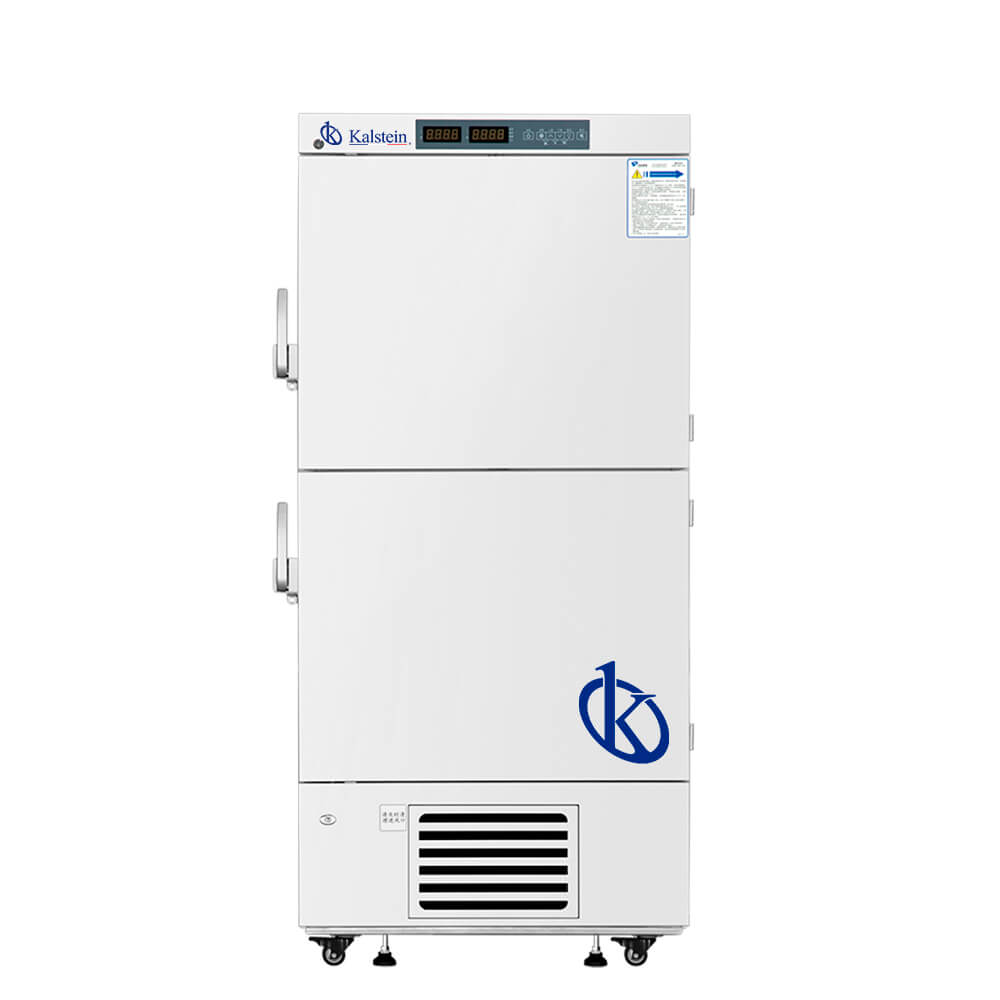
Low temperature freezers are designed to store sensitive materials at temperatures ranging from -10°C to -40°C. The most common models feature dual-door constructions and adjustable shelving, allowing for flexible storage solutions tailored to varying sample sizes. Furthermore, they often include built-in temperature monitoring systems that ensure samples remain within their designated temperature range, which is crucial for maintaining their integrity.
Integrating these freezers with LIMS allows for real-time data tracking, monitoring of temperature fluctuations, and automated alerts for any deviations. This data becomes invaluable for compliance with standards such as ISO 17025, which mandates strict monitoring of storage conditions for laboratory samples.
Comparison of Available Models
| Model | Temperature Range (°C) | Energy Consumption (kWh/24h) | Storage Capacity | Price (USD) |
|---|---|---|---|---|
| YR05100 | -20 to -40 | 6.7 | Flexible storage with adjustable shelves | 1830.00 |
| YR05309 | -20 to -40 | 5.5 | 358L | 1620.00 |
| YR05311 | -10 to -25 | 300W | 2 chambers with 12 drawers | 1360.00 |
Benefits of Integrating Low Temperature Freezers with LIMS
Integrating low temperature freezers with LIMS offers numerous benefits that enhance laboratory operations. Firstly, it ensures that temperature data is continuously logged, providing a reliable historical record for audits. In addition, LIMS can automate alerts for temperature deviations, enabling quick responses to prevent sample degradation.
Moreover, this integration streamlines sample tracking from storage to analysis. By linking freezer data with LIMS, laboratories can assign barcodes to samples, facilitating real-time location tracking and comprehensive sample history records. This level of detail helps labs maintain compliance with regulatory standards, thereby enhancing reliability and trust in research outcomes.
Challenges in Integration and Solutions
While the integration of low temperature freezers with LIMS has many advantages, it is not without challenges. One significant issue is ensuring compatibility between the freezer's control systems and the LIMS. This may require middleware capable of translating data formats between the two systems.
Additionally, a robust network infrastructure is necessary to support real-time data communication. This can be particularly challenging in older laboratories with outdated IT systems. Upgrading these systems might incur costs, but the return on investment through improved data accuracy and compliance can be substantial.
Key Features to Look for in a Low Temperature Freezer for LIMS Integration
When selecting a low temperature freezer for integration with LIMS, several key features should be considered. First, the freezer should have a reliable temperature monitoring system that can communicate with LIMS via standard protocols such as HL7 or ASTM.
Moreover, look for features such as automatic defrost cycles, alarm systems for temperature fluctuations, and adjustable shelving to accommodate different sample sizes. The models YR05100 and YR05309, for instance, provide flexible storage solutions, ideal for labs handling a variety of sample types.
Common Mistakes and How to Avoid Them
One common mistake laboratories make is underestimating the importance of data integrity during the integration process. It is critical to ensure that all data being transferred is accurate and consistently logged in both the freezer and LIMS. Regular validation of the system can help in maintaining data quality.
Another mistake is neglecting to train personnel on how to use the integrated system effectively. Comprehensive training ensures that all laboratory staff are adept at using LIMS and understand how to interpret the data generated from low temperature freezers.
Frequently Asked Questions
How can low temperature freezers improve data accuracy in LIMS?
Integrating models like the YR05309 with LIMS enhances data accuracy by providing real-time temperature monitoring and historical records. This ensures that all sample conditions are logged accurately, meeting compliance standards necessary for laboratory operations.
What are the best practices for integrating low temperature freezers with LIMS?
Best practices include ensuring compatibility of data protocols, regularly validating data integrity, and providing thorough training for personnel. Models such as the YR05100 are equipped with features that simplify integration, enhancing overall laboratory efficiency.
Which low temperature freezers are most suitable for LIMS integration?
The YR05100 and YR05309 models are particularly suitable for LIMS integration due to their advanced monitoring systems and flexibility in storage, ensuring compliance with regulatory requirements.
What connectivity protocols are commonly used for LIMS integration?
Common connectivity protocols for integrating low temperature freezers with LIMS include HL7, ASTM, and REST. These protocols enable seamless data exchange, helping maintain sample integrity and compliance.
What are the temperature monitoring features in modern low temperature freezers?
Modern low temperature freezers typically feature digital temperature displays, alarm systems for high and low temperatures, and remote monitoring capabilities. The YR05311, for example, includes a multipoint temperature monitoring system that ensures optimal conditions for sample storage.
How do low temperature freezers contribute to laboratory compliance?
Low temperature freezers contribute to compliance by maintaining samples at regulated temperatures, which is critical for standards such as ISO 17025. Models like the YR05100 help ensure that laboratories meet these stringent requirements by providing accurate temperature logs.
What is the process for validating LIMS integration with a low temperature freezer?
Validating LIMS integration involves testing data transfer accuracy, ensuring that temperature records are logged correctly, and confirming that alarm systems function as intended. Regular audits of models like the YR05309 can help ensure compliance with laboratory standards.
What are the operational savings from using LIMS-integrated low temperature freezers?
Using LIMS-integrated low temperature freezers can lead to significant operational savings through reduced sample loss, improved tracking efficiency, and enhanced compliance. This saves time and resources, resulting in a better cost-benefit ratio for labs.
If you are looking for a fusion of innovation and quality, you have come to the right place. At Kalstein, we offer you the luxury of exploring our exclusive catalog of laboratory equipment. We manufacture every device to the highest standards of excellence. Our intuitive and seamless online purchasing channels are designed for your convenience, securing the most competitive prices. Hesitate no longer — we bring science to life, it is time to become part of our community.