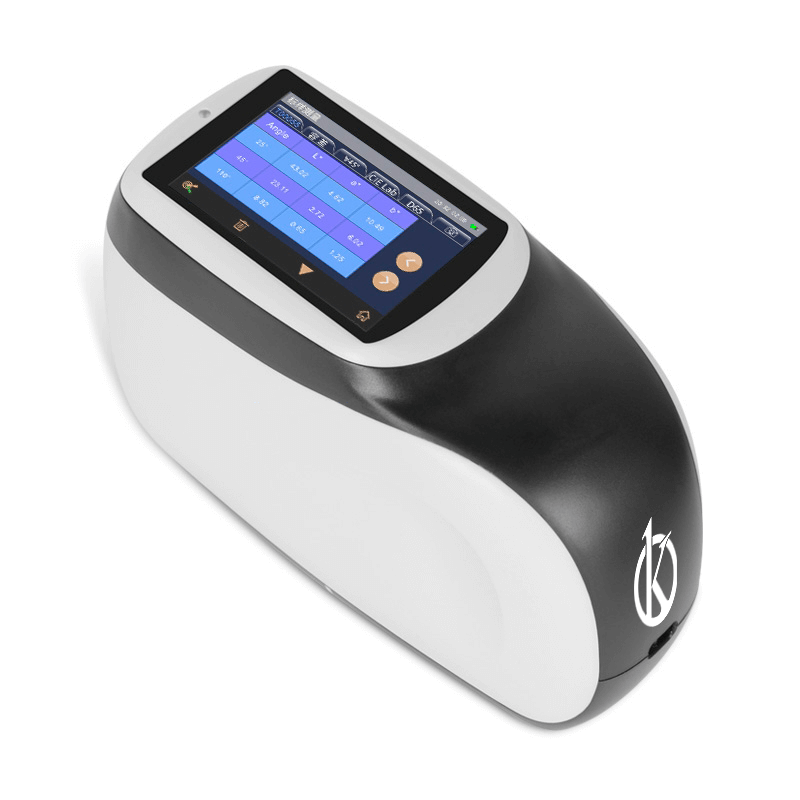
How to Integrate Multi-Angle Spectrophotometers with LIMS for Data Digitization
In modern laboratories, the integration of multi-angle spectrophotometers with Laboratory Information Management Systems (LIMS) is becoming increasingly essential for enhancing data flow and accuracy. This article delves deeply into how this integration can optimize laboratory workflows, making it a critical focus for laboratory professionals.
Understanding Multi-Angle Spectrophotometers
Multi-angle spectrophotometers are instruments designed to measure the color and optical properties of materials from various angles. Their applications span across industries such as paint production, textile manufacturing, and food analysis. The ability of these instruments to provide accurate color measurements enhances quality control processes and ensures consistent product quality.
The Importance of LIMS Integration
Integrating multi-angle spectrophotometers with LIMS facilitates streamlined data management. LIMS systems organize, manage, and track laboratory data efficiently. This integration allows for real-time data entry, thus reducing human error and improving data integrity. Furthermore, it ensures compliance with industry standards, making it a valuable asset in regulated environments.
Key Benefits of Integrating Multi-Angle Spectrophotometers with LIMS
Several benefits arise from this integration, including:
- Improved Data Accuracy: Automated data entry minimizes errors associated with manual input.
- Enhanced Traceability: LIMS provides a history of data entries, ensuring that all measurements can be traced back to their sources.
- Optimized Workflows: Integration allows seamless data sharing between different laboratory instruments and systems.
- Regulatory Compliance: Meeting standards such as ISO 17025 becomes easier with integrated systems.
Comparison of Available Models
| Model | Connectivity | Protocols Supported | Integration Effort | Best For |
|---|---|---|---|---|
| YR05491 | USB, Ethernet | HL7, ASTM | Moderate | Color difference measurement |
| YR05492 | USB, Ethernet | HL7, ASTM | High | Multi-angle measurements |
| YR05488 | USB | REST | Low | Basic color measurement |
| YR05489 | USB | REST | Low | Cost-effective solutions |
| YR05490 | USB | REST | Moderate | Compact space requirements |
Common Mistakes and How to Avoid Them
One of the common mistakes in integrating multi-angle spectrophotometers with LIMS is underestimating the complexity of the integration process. It's vital to conduct thorough planning and testing before full implementation. Another mistake is neglecting the training of laboratory staff on the new system, which can lead to inefficiencies and errors. Ensuring that all users are adequately trained will facilitate a smoother transition.
Specific Considerations for LIMS Integration
When integrating multi-angle spectrophotometers like the YR05491 and YR05492, it is essential to consider the following:
- Data Formats: Make sure that the data output formats from the spectrophotometers are compatible with the LIMS.
- Network Configuration: Ensure that the network settings allow for seamless communication between devices.
- Testing Protocols: Establish testing protocols to validate the accuracy of the data being transferred.
Implementing a Data Management Strategy
Establishing a robust data management strategy is crucial for effective LIMS integration. Begin by identifying key data points that need to be captured from the multi-angle spectrophotometers. Set up automated data transfer protocols to minimize manual entry and ensure that data can be easily retrieved for reporting and analysis.
Challenges in Integration and Solutions
Integration challenges may arise, such as compatibility issues or data discrepancies. Regular maintenance and updates to both the LIMS and spectrophotometers are necessary to address these challenges. Additionally, having a dedicated IT team to troubleshoot issues can streamline the resolution process.
Frequently Asked Questions
How can I ensure my multi-angle spectrophotometer integrates with LIMS effectively?
To ensure effective integration of your multi-angle spectrophotometer, such as the YR05492, with LIMS, assess compatibility of data formats and networks, implement automated data transfer protocols, and conduct thorough testing. This will streamline data management and enhance accuracy.
What are the best multi-angle spectrophotometers for LIMS integration in laboratories?
The YR05491 and YR05492 models are excellent choices for LIMS integration, providing robust connectivity options and compatibility with protocols like HL7 and ASTM, making them ideal for accurate color measurement and data management.
How does LIMS improve compliance for multi-angle spectrophotometer usage?
LIMS enhances compliance by ensuring that all data captured from multi-angle spectrophotometers like the YR05488 is organized, traceable, and easily accessible for audits, thus supporting adherence to industry standards such as ISO 17025.
What data management strategies are effective for multi-angle spectrophotometers?
Effective data management strategies for multi-angle spectrophotometers involve identifying key data points, implementing automated data transfer to LIMS, and regularly validating data accuracy to ensure reliability in laboratory operations.
Which protocols should I consider for integrating multi-angle spectrophotometers?
When integrating multi-angle spectrophotometers, consider protocols such as HL7, ASTM, and REST. These facilitate seamless data exchange and compatibility with various LIMS systems, ensuring effective lab management.
What are the common pitfalls in LIMS integration for spectrophotometers?
Common pitfalls include insufficient planning, lack of staff training, and overlooking compatibility issues. Ensuring thorough preparation and user education can mitigate these risks and lead to successful integration.
How do I choose the right multi-angle spectrophotometer for my laboratory's needs?
When choosing a multi-angle spectrophotometer, assess your laboratory's specific needs, such as the required measurement angles, data output formats, and integration capabilities with LIMS. Models like the YR05489 offer cost-effective solutions without sacrificing functionality.
What role does data accuracy play in the integration of LIMS and multi-angle spectrophotometers?
Data accuracy is critical in the integration of LIMS and multi-angle spectrophotometers, as it affects decision-making and compliance. Utilizing models such as YR05491 ensures precise measurements that enhance overall data integrity in laboratory processes.
If you are looking for a fusion of innovation and quality, you have come to the right place. At Kalstein, we offer you the luxury of exploring our exclusive catalog of laboratory equipment. We manufacture every device to the highest standards of excellence. Our intuitive and seamless online purchasing channels are designed for your convenience, securing the most competitive prices. Hesitate no longer — we bring science to life, it is time to become part of our community.