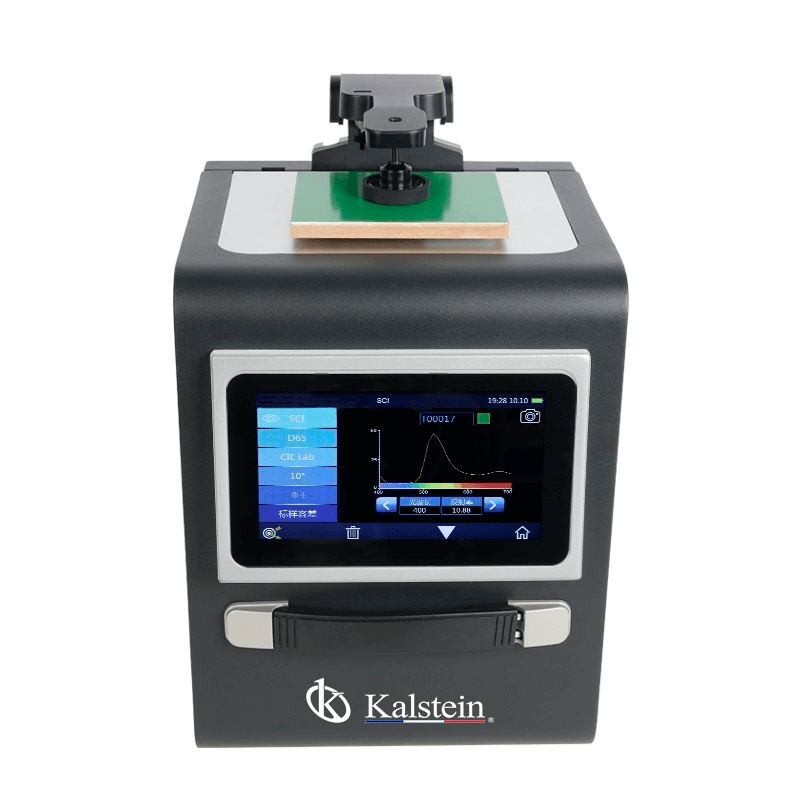
How to Integrate Portable Benchtop Spectrophotometers with LIMS for Data Digitization?
In the ever-evolving landscape of laboratory technology, the integration of Portable Benchtop Spectrophotometers with Laboratory Information Management Systems (LIMS) plays a crucial role in enhancing data workflows and efficiency. This integration not only improves accuracy but also streamlines laboratory operations, ensuring compliance with various standards and enhancing overall productivity.
Understanding the Role of Portable Benchtop Spectrophotometers in LIMS Integration
Portable Benchtop Spectrophotometers are essential tools in laboratories, offering precise color measurement and analysis across various industries, such as plastics, textiles, and ceramics. When integrated with a LIMS, these devices enable seamless data management, allowing laboratories to store, track, and analyze results efficiently. The connection ensures that data captured during measurements is automatically logged into the LIMS, reducing human error and improving traceability.
Key Benefits of LIMS Integration
Integrating Portable Benchtop Spectrophotometers with LIMS provides multiple benefits:
- Enhanced Data Accuracy: Automatic data logging minimizes transcription errors.
- Improved Workflow Efficiency: Streamlined processes reduce manual handling and speed up data analysis.
- Regulatory Compliance: Meets various industry standards and facilitates audits.
- Increased Traceability: All results are easily accessible and organized for review.
Key Connectivity Protocols for Integration
Successful integration of Portable Benchtop Spectrophotometers with LIMS requires understanding key connectivity protocols. Common protocols include:
- HL7: Facilitates health information exchange between devices.
- ASTM: Provides guidelines for data formatting and exchange.
- REST: A flexible protocol for data communication over the web.
- Middleware Solutions: Bridging software that connects devices to LIMS.
Comparison of Available Models
| Model | Connectivity | Protocols Supported | Integration Effort | Best For |
|---|---|---|---|---|
| YR05484 | USB, RS-232 | HL7, ASTM | Medium | Textile and Paint Industry |
| YR05485 | USB, RS-232 | HL7, REST | Low | Plastics and Ceramics |
| YR05486 | USB | REST | High | General Laboratory Use |
| YR05487 | Wireless, USB | HL7, ASTM | Medium | Quality Control in Printing |
Common Mistakes and How to Avoid Them
When integrating Portable Benchtop Spectrophotometers with LIMS, several common mistakes can arise:
- Neglecting Data Validation: Always validate data post-integration to ensure accuracy.
- Inadequate Training: Ensure all staff are trained to operate both the spectrophotometer and the LIMS effectively.
- Ignoring Compatibility: Verify that the chosen spectrophotometer model supports the desired integration protocols before purchase.
Frequently Asked Questions
How can I ensure my Portable Benchtop Spectrophotometer meets LIMS integration standards?
To ensure compliance, choose models like YR05485, which supports HL7 and REST protocols, facilitating easy integration with LIMS standards. Check for compatibility and proper training for your staff to maintain effective data workflows.
What are the best practices for integrating a Portable Benchtop Spectrophotometer with LIMS?
Best practices include selecting the appropriate model, like YR05486, which allows for easy connectivity, thorough testing of data transfer, and ongoing training for staff on new systems. Regular software updates are also crucial for maintaining functionality.
What role does data validation play in LIMS integration with spectrophotometers?
Data validation is vital to ensuring the accuracy of results logged from devices like the YR05484. This process checks for errors in data entry or transmission, which can significantly impact the reliability of laboratory results.
How does LIMS improve compliance in laboratories using spectrophotometers?
LIMS enhances compliance by providing traceability and documentation for tests conducted with devices like YR05487. It ensures that all measurements are recorded and accessible, which is essential during audits or for meeting regulatory standards.
What connectivity protocols should I look for in a Portable Benchtop Spectrophotometer for LIMS?
Look for protocols such as HL7 and ASTM for data exchange. Models like YR05485 are equipped with these capabilities, ensuring seamless integration with your laboratory’s LIMS.
How can I maximize the efficiency of my LIMS-integrated spectrophotometer?
To maximize efficiency, ensure proper configuration of the spectrophotometer settings and maintain regular calibration. Using models like YR05486 can provide the necessary flexibility and accuracy needed for seamless lab operations.
What features should I prioritize when selecting a Portable Benchtop Spectrophotometer for LIMS integration?
Prioritize connectivity options, data accuracy, and compliance with industry standards. Models like YR05484 offer robust features that facilitate easy integration and provide reliable results for various laboratory applications.