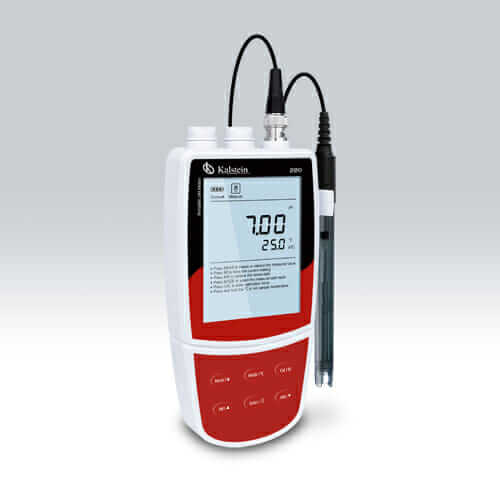
How to Integrate Table pH Meters with LIMS for Data Digitalization
In today's laboratory environments, the efficiency of data handling can significantly influence the overall productivity and accuracy of analyses. The integration of table pH meters with Laboratory Information Management Systems (LIMS) presents a transformative opportunity to streamline data workflows. This article will explore various models of table pH meters, their unique features, and how these devices can be effectively integrated into laboratory processes.
Understanding the Importance of LIMS Integration
LIMS software serves as a cornerstone for managing laboratory data, allowing for efficient storage, tracking, and retrieval of information. Integrating table pH meters within this ecosystem enhances data integrity and reduces the potential for human errors associated with manual data entry. By incorporating devices like the YR0220A and YR01822, laboratories can facilitate real-time data transfer and ensure compliance with industry standards.
Key Features of Table pH Meters
When considering the integration of table pH meters, it is essential to evaluate the specific features that contribute to effective LIMS connectivity and data management:
- Automatic Calibration: Models such as the YR01825 support automatic calibration, ensuring that the readings are accurate and consistent.
- Temperature Compensation: Automatic temperature compensation features found in models like YR01823-2 prevent discrepancies in pH readings.
- Data Storage: The YR01822 offers the ability to store large datasets, which can facilitate historical data analysis and compliance tracking.
Model-Specific Advantages in LIMS Integration
Each table pH meter brings its own advantages to the integration process. For example:
- YR0220A: Ideal for environments requiring extensive calibration options, it supports 1 to 5 point calibrations with automatic buffer recognition.
- YR01826: Features a 5-inch LCD for clear data visualization and easy interaction, enhancing user experience during data input.
- YR01825: Equipped with a color touch screen, it allows for better operational efficiency with intuitive controls that simplify complex workflows.
Connectivity Protocols for Seamless Integration
For successful integration of table pH meters with LIMS, understanding the connectivity protocols is crucial. Typical protocols include:
- USB connectivity for direct data transfer to PCs.
- Bluetooth options for wireless printing or data transmission, particularly beneficial for models like YR01822.
- Compatibility with standard protocols such as ASTM, which ensures that data formats are universally accessible.
Challenges in Integration and How to Overcome Them
While integrating table pH meters with LIMS can significantly enhance laboratory workflows, several challenges may arise:
- Data Compatibility: Ensuring that the data formats from the pH meters align with LIMS requirements can be a hurdle. Utilizing models with standard connectivity can mitigate this issue.
- Training Requirements: Staff may require additional training to effectively utilize the integrated systems. Providing comprehensive training sessions can help ease this transition.
Comparison of Available Models
| Model | pH Range | Accuracy | Calibration Points | Price (USD) |
|---|---|---|---|---|
| YR0220A | -2.00~20.00 pH | ±0.01 pH | 1 to 5 points | 155.00 |
| YR01822 | -2.00~20.00 pH | ±0.002 pH | 1 to 3 points | 215.00 |
| YR01825 | -2.00~20.00 pH | ±0.002 pH | 1 to 3 points | 335.00 |
| YR01823-2 | -2.000~20.000 pH | ±0.002 pH | 1 to 5 points | 315.00 |
| YR01823 | -2.00~20.00 pH | ±0.02 pH | 1 to 3 points | 285.00 |
| YR01826 | -2.00~19.999 pH | ±0.02 pH | 1 to 3 points | 199.00 |
Common Mistakes and How to Avoid Them
When integrating table pH meters with LIMS, laboratories often encounter common pitfalls that can hinder the integration process:
- Neglecting Regular Calibration: Failing to routinely calibrate pH meters can lead to inaccurate measurements. Establish a strict calibration schedule to maintain accuracy.
- Inadequate User Training: Underestimating the importance of staff training can result in inefficient use of equipment. Ensure that training is an integral part of the integration process.
Frequently Asked Questions
How can I ensure accurate data collection with table pH meters?
To ensure accurate data collection with models like the YR0220A, regular calibration must be performed, ideally every month, depending on usage frequency. This model supports multiple calibration points, enhancing its reliability in varied conditions.
What is the role of automatic temperature compensation in pH measurements?
Automatic temperature compensation is crucial for accurate pH readings, especially in fluctuating environments. Models like the YR01823-2 offer this feature, allowing for precision even when the sample temperature varies significantly.
Which connectivity options are best for integrating table pH meters with LIMS?
USB and Bluetooth options are ideal for integrating table pH meters like the YR01826 with LIMS. These connectivity methods allow seamless data transfer and enhance operational efficiency in laboratory settings.
How frequently should table pH meters be calibrated for optimal performance?
Table pH meters, such as the YR01825, should ideally be calibrated before each use or at minimum every month to ensure optimal performance and accuracy in measurements.
Can table pH meters store historical data for compliance purposes?
Yes, models like the YR01822 can store extensive historical data, making it easier for laboratories to track compliance over time and streamline their data management processes.
What are the best practices for maintaining table pH meters?
Best practices include regular calibration, proper cleaning between uses, and storing the meters in suitable conditions to prolong their lifespan and maintain accuracy, particularly for models like the YR01823.
How does LIMS integration enhance laboratory productivity?
LIMS integration enhances productivity by automating data entry, ensuring compliance, and facilitating real-time data access. This is particularly effective with table pH meters that offer advanced connectivity features.
What factors influence the choice of a table pH meter for my laboratory?
Factors to consider include measurement range, accuracy, calibration capabilities, and connectivity options. Models like the YR0220A and YR01826 each offer unique features that should align with the specific needs of your laboratory.
If you are looking for a fusion of innovation and quality, you have come to the right place. At Kalstein, we offer you the luxury of exploring our exclusive catalog of laboratory equipment. We manufacture every device to the highest standards of excellence. Our intuitive and seamless online purchasing channels are designed for your convenience, securing the most competitive prices. Hesitate no longer — we bring science to life, it is time to become part of our community.