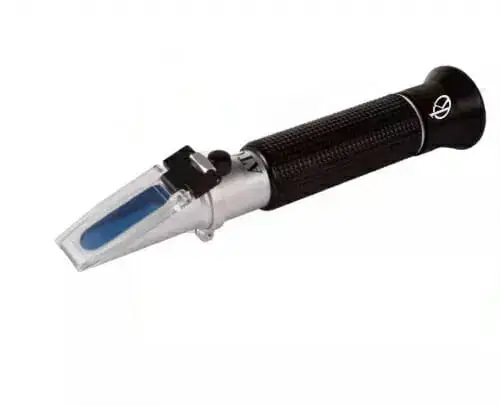
How to Integrate Beer Refractometers with LIMS for Enhanced Data Digitization
The integration of Beer Refractometers with Laboratory Information Management Systems (LIMS) represents a significant evolution in brewery operations. By streamlining the data workflow and improving accuracy, breweries can optimize their production processes, enhance quality control, and maintain compliance with industry standards. This article will explore various models of Beer Refractometers, their integration capabilities, and the benefits of digitizing data in brewing operations.
Understanding the Role of Beer Refractometers in LIMS Integration
Beer Refractometers are essential instruments in the brewing industry used predominantly for measuring the concentration of sugars in wort. Their integration into a LIMS facilitates real-time data collection and analysis, fostering enhanced operational efficiency. This section will delve into how these refractometers work, the importance of accurate measurements, and their compatibility with LIMS for data automation.
Key Benefits of Integrating Beer Refractometers with LIMS
Integrating Beer Refractometers with LIMS provides numerous advantages, including:
- Real-time Data Management: Automate the collection of measurements during brewing processes.
- Improved Accuracy: Minimize human error through automated data entry and monitoring.
- Compliance: Ensure adherence to quality standards and regulations.
- Increased Efficiency: Streamline workflows and reduce manual tasks.
Comparison of Available Models
| Model | Measurement Range | Precision | Temperature Compensation | Best for |
|---|---|---|---|---|
| YR05939 | 0-32% Brix, SG: 1.000-1.120 | ±0.2% Brix | Yes (10-30°C) | Rapid gravity checks during brewing |
| YR05940 | 0-32% Brix, SG: 1.000-1.120 | ±0.2% Brix | Yes (10-30°C) | Brewing stages and temperature checks |
| YR05941 | 0-32% Brix, SG: 1.000-1.120 | ±0.2% Brix | Yes (10-30°C) | Quality control checks during fermentation |
| YR05942 | 0-32% Brix, SG: 1.000-1.120 | ±0.2% Brix | Yes (10-30°C) | All-purpose for various brewing conditions |
| YR05943 | 0-32% Brix, SG: 1.000-1.120 | ±0.2% Brix | Yes (10-30°C) | Versatile use for different types of wort |
Common Mistakes and How to Avoid Them
When integrating Beer Refractometers with LIMS, laboratories often make common mistakes that can hinder efficiency and accuracy. Here are the top errors and how to avoid them:
- Neglecting Calibration: Ensure regular calibration of refractometers to maintain measurement accuracy.
- Poor Data Management: Establish clear protocols for data entry and management within LIMS.
- Inadequate Training: Provide comprehensive training for staff on the use of both refractometers and LIMS.
Integrating Beer Refractometers: Connectivity and Protocols
The integration of Beer Refractometers with LIMS requires understanding of various connectivity protocols. Protocols such as HL7 and ASTM enable effective data exchange between devices and management systems. This section will provide insights into the specific protocols that can be utilized for seamless integration and how they enhance overall workflow efficiency.
Protocols Supported for Integration
| Model | Supported Protocols | Integration Effort | Best for |
|---|---|---|---|
| YR05939 | HL7, ASTM | Medium | Rapid brewing analysis |
| YR05940 | ASTM | Low | Temperature checks |
| YR05941 | HL7 | Medium | Quality control integration |
| YR05942 | HL7, ASTM | Medium | Versatile brewing checks |
| YR05943 | ASTM | Low | General wort analysis |
Cost-Benefit Analysis of Integrating Beer Refractometers
To justify the investment in Beer Refractometers and their integration with LIMS, laboratories should conduct a cost-benefit analysis. This analysis should include initial costs, expected savings, and potential revenue increases from improved accuracy and efficiency. Below is a sample cost-benefit table that outlines the financial implications of adopting refractometers in brewing operations.
Sample Cost-Benefit Analysis
| Model | Initial Cost (USD) | Operational Savings (USD/year) | Revenue Increase (USD/year) | Net Benefit (USD/year) |
|---|---|---|---|---|
| YR05939 | 150 | 500 | 1000 | 1350 |
| YR05940 | 150 | 400 | 800 | 1050 |
| YR05941 | 150 | 450 | 900 | 1200 |
| YR05942 | 150 | 500 | 1100 | 1450 |
| YR05943 | 150 | 450 | 950 | 1250 |
Frequently Asked Questions
How can the integration of Beer Refractometers with LIMS enhance data management?
The integration of Beer Refractometers like YR05939 with LIMS can enhance data management by automating data entry and real-time monitoring, which minimizes human error and optimizes workflow efficiency.
What are the key features to consider when choosing a Beer Refractometer for LIMS?
When selecting a Beer Refractometer for LIMS integration, consider features such as temperature compensation, measurement range, precision, and supported protocols. Models like YR05940 provide reliable measurements suitable for various brewing conditions.
How do I ensure accurate measurements with Beer Refractometers during brewing?
Accurate measurements can be ensured by regularly calibrating models such as YR05941 and maintaining optimal temperature conditions. Implementing strict calibration schedules is essential.
Which protocols are commonly used for integrating Beer Refractometers with LIMS?
Common protocols for integration include HL7 and ASTM. Models like YR05942 are capable of supporting these protocols, ensuring effective data exchange.
What impact does LIMS integration have on brewing efficiency?
LIMS integration significantly enhances brewing efficiency by streamlining data collection and reducing manual tasks. Utilizing refractometers such as YR05943 can lead to improved accuracy and faster decision-making.
How do Beer Refractometers compare to other sugar measurement technologies?
Beer Refractometers like YR05939 provide faster and more accurate measurements compared to traditional methods, such as hydrometers, which require larger sample sizes and temperature corrections.
What are the common mistakes made during the integration process of Beer Refractometers?
Common mistakes include neglecting calibration and poor data management. Proper training and clear protocols can help avoid these issues and ensure a successful integration.
How can breweries benefit financially from integrating Beer Refractometers with LIMS?
Breweries can expect financial benefits from increased accuracy, reduced operational costs, and improved revenue through enhanced product quality. A cost-benefit analysis reveals significant net benefits from models like YR05940.
If you are looking for a fusion of innovation and quality, you have come to the right place. At Kalstein, we offer you the luxury of exploring our exclusive catalog of laboratory equipment. We manufacture every device to the highest standards of excellence. Our intuitive and seamless online purchasing channels are designed for your convenience, securing the most competitive prices. Hesitate no longer — we bring science to life, it is time to become part of our community.