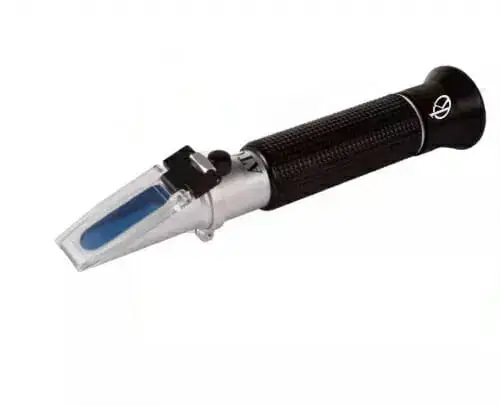
Integrating Car Refractometers with LIMS for Data Digitalization
Car refractometers are crucial instruments in automotive laboratories, providing precise measurements for coolant concentrations and other liquid properties. As laboratories evolve, the integration of these devices with Laboratory Information Management Systems (LIMS) has become essential for digital data management. This article explores the integration of various car refractometer models with LIMS and how this digitalization enhances workflow efficiency and data accuracy.
Understanding Car Refractometers in the Context of LIMS
Car refractometers such as the YR05916, YR05917, YR05918, YR05919, YR05920, and YR05921 are designed to measure coolant properties with high accuracy. These models are equipped with Automatic Temperature Compensation (ATC) and support various scales for different applications. Integrating these instruments with LIMS facilitates streamlined data collection, real-time analysis, and improved compliance with industry standards.
Benefits of Integrating Car Refractometers with LIMS
Integrating car refractometers with LIMS presents numerous benefits, including improved data accuracy, enhanced traceability, and reduced manual errors. With models like YR05916 and YR05920, laboratories can automate data entry, ensuring that critical measurements are logged without the risk of human error. This integration also aids in complying with regulatory standards by maintaining comprehensive records of all measurements taken.
Key Features of Car Refractometer Models
Each of the refractometer models offers unique features that make them suitable for specific applications within automotive laboratories. For instance:
- YR05916: Best for measuring ethylene glycol concentrations in coolants, equipped with °C units.
- YR05920: Ideal for windshield washer fluid analysis, providing a clear indication of freezing points.
- YR05918: Offers functionality in both Fahrenheit and Celsius, catering to diverse user preferences.
Comparison of Available Models
| Model | Measurement Range | Min. Division | Precision | ATC | Best For |
|---|---|---|---|---|---|
| YR05916 | E:-60°C--0°C P:-50°C-0°C | 0.01sg | ±0.01sg ±5℃ | Yes | Ethylene glycol concentration |
| YR05917 | E:-60°C--0°C P:-50°C-0°C | 0.01sg | ±0.01sg ±5℃ | Yes | Ethylene glycol concentration |
| YR05918 | E:-60°F-32°F P:-50°F-32°F | 0.01sg | ±0.01sg ±5℃ | Yes | Dual unit measurement |
| YR05919 | E:-60°C--0°C P:-50°C-0°C | 0.01sg | ±0.01sg ±5℃ | Yes | Ethylene glycol concentration |
| YR05920 | E:-60°C--0°C P:-50°C-0°C | 0.01sg | ±0.01sg ±5℃ | Yes | Windshield washer fluid |
| YR05921 | E:-60°C--0°C P:-50°C-0°C | 0.01sg | ±0.01sg ±5℃ | Yes | Ethylene glycol concentration |
Common Mistakes and How to Avoid Them
When integrating car refractometers with LIMS, common mistakes include incorrect calibration, neglecting ATC settings, and failing to ensure data compatibility. It's crucial to regularly calibrate models such as the YR05916 to maintain accuracy and to utilize the ATC feature to compensate for temperature variations. Ensuring that all data formats are compatible with LIMS is essential to avoid data loss.
Best Practices for LIMS Integration
Implementing robust protocols for LIMS integration can significantly enhance laboratory efficiency. Key practices include establishing clear data entry protocols, training staff on the use of models like the YR05920, and implementing regular software updates. These practices help to maintain the integrity of the data collected and ensure compliance with industry standards.
Frequently Asked Questions
What are the advantages of using YR05916 with LIMS for automotive laboratories?
The YR05916 car refractometer offers precise measurements of coolant concentrations and integrates seamlessly with LIMS for automated data entry, enhancing accuracy and compliance.
How can integrating YR05920 with LIMS improve data accuracy in automotive testing?
Integrating the YR05920 refractometer with LIMS automates data logging, reduces human error, and ensures that measurements for windshield washer fluids are accurately recorded and analyzed.
Which protocols are best for LIMS integration with car refractometers?
Common protocols for LIMS integration with car refractometers include ASTM and HL7, allowing seamless data transfer and communication between devices like the YR05919 and the management system.
How does LIMS integration affect compliance in laboratory settings?
Integrating car refractometers like the YR05918 with LIMS enhances compliance by maintaining comprehensive records and streamlining data management, ensuring adherence to regulatory standards.
What are the key features to look for in car refractometers for LIMS integration?
Key features include Automatic Temperature Compensation (ATC), multiple measurement scales, and compatibility with data management protocols, as seen in models such as the YR05921.
How can automotive laboratories ensure data integrity during LIMS integration?
Regular calibration of refractometers like the YR05917, staff training, and utilizing standardized data formats are essential for maintaining data integrity during LIMS integration.
What are the costs associated with integrating car refractometers with LIMS?
The costs for integrating models like the YR05916 with LIMS depend on hardware, software, and training, but the investment often leads to significant efficiency gains in laboratory operations.
How does the YR05919 model compare to other refractometers for LIMS integration?
The YR05919 model provides robust features for measuring ethylene glycol concentrations, making it an excellent choice for LIMS integration, particularly in automotive laboratories focused on coolant analysis.
If you are looking for a fusion of innovation and quality, you have come to the right place. At Kalstein, we offer you the luxury of exploring our exclusive catalog of laboratory equipment. We manufacture every device to the highest standards of excellence. Our intuitive and seamless online purchasing channels are designed for your convenience, securing the most competitive prices. Hesitate no longer — we bring science to life, it is time to become part of our community.