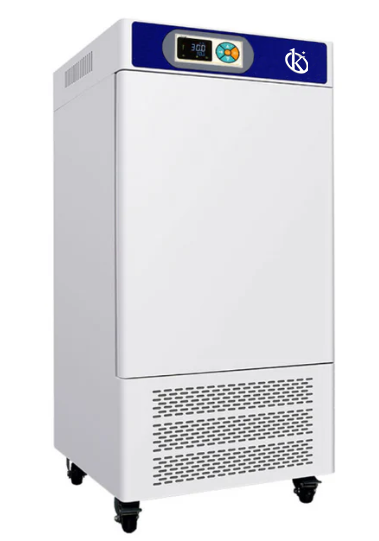
Integrating Constant Temperature and Humidity Incubators with LIMS: A 2026 Perspective
Constant Temperature and Humidity Incubators play a pivotal role in laboratory settings, especially in fields requiring precise climate control for experiments, biological samples, or pharmaceutical testing. As laboratories look towards digitalization and enhanced data management, integrating these incubators with Laboratory Information Management Systems (LIMS) is becoming essential. This article delves into how various models of Constant Temperature and Humidity Incubators can seamlessly interface with LIMS, thereby transforming laboratory data flow into a more efficient, digitized framework.
Understanding the Role of Constant Temperature and Humidity Incubators
Constant Temperature and Humidity Incubators are designed to maintain a stable environment for sensitive samples. They are vital in areas such as environmental protection, medicine, drug testing, health prevention, and scientific research. Laboratories utilize these incubators to ensure that the conditions of experiments are stable and consistent, which is crucial for obtaining reproducible results.
Each model offers unique specifications that cater to different laboratory needs. For example, the Constant Temperature and Humidity Incubator YR02053 is well-suited for environmental protection and drug testing, while the YR02054 model caters to similar applications but with a higher capacity. Understanding these distinctions is essential for integrating these devices with LIMS effectively.
Integration with LIMS for Enhanced Data Management
Integrating Constant Temperature and Humidity Incubators with LIMS allows for real-time data monitoring and management. This integration facilitates the capture of vital parameters such as temperature and humidity levels, ensuring compliance with regulatory standards. It also improves traceability and provides audit trails, which are essential for quality control in laboratories.
Each incubator model has specific connectivity options that can influence the ease of integration. For instance, models like the YR02054 and YR02055 come equipped with advanced features that enhance their compatibility with various LIMS platforms, streamlining laboratory workflows.
Comparison of Available Models
| Model | Temperature Range (℃) | Power (kW) | Best Application |
|---|---|---|---|
| YR02053 | 0 ~ 60 | 0.4 | Environmental protection, Drug testing |
| YR02054 | 0 ~ 60 | 0.6 | Biological engineering, Water analysis |
| YR02055 | 0 ~ 60 | 0.8 | Aquaculture, Epidemic prevention |
Key Features Supporting Integration
When selecting a Constant Temperature and Humidity Incubator for LIMS integration, certain features should be prioritized:
- Connectivity Options: Evaluate whether the incubator supports standard protocols like HL7 or ASTM, which are essential for seamless data exchange.
- Temperature and Humidity Monitoring: Advanced models provide real-time monitoring capabilities, ensuring that any deviations can trigger alerts within the LIMS.
- Data Logging: Look for incubators that have built-in data logging features for easy integration and analysis within the LIMS.
Common Mistakes and How to Avoid Them
When integrating incubators with LIMS, laboratories often encounter common pitfalls. To ensure successful implementation:
- Neglecting Compatibility: Always verify that the chosen incubator model is compatible with your existing LIMS. This can prevent data integration issues down the line.
- Ignoring User Training: Ensure that lab personnel are adequately trained to utilize both the incubator and LIMS to their fullest potential.
- Overlooking Calibration Needs: Regular calibration is essential for accurate readings, especially when data is relied upon for regulatory compliance.
Real-World Applications of Integrated Systems
Laboratories that have successfully integrated Constant Temperature and Humidity Incubators with LIMS have reported significant improvements in workflow efficiency, data accuracy, and compliance. These case studies illustrate how digital solutions enhance laboratory operations:
For instance, a pharmaceutical lab utilizing the YR02055 incubator integrated with LIMS reduced the time spent on manual data entry by over 30%. This not only saved time but also minimized errors, reflecting improved compliance with ISO 17025 standards.
Frequently Asked Questions
How can I ensure my Constant Temperature and Humidity Incubator meets LIMS integration requirements?
When selecting a Constant Temperature and Humidity Incubator, such as the YR02054, confirm that it supports connectivity protocols like HL7 and ASTM for seamless integration into your LIMS, ensuring efficient data management.
What are the specific advantages of integrating YR02055 with a LIMS?
The YR02055 model offers advanced monitoring features that provide real-time alerts and data logging, making it easier to maintain compliance with industry regulations when integrated with a LIMS.
What regulatory standards should my incubator comply with for LIMS integration?
Your Constant Temperature and Humidity Incubator should comply with ISO 17025 standards to ensure data integrity and quality assurance when integrated with LIMS, enhancing laboratory reliability.
Which Constant Temperature and Humidity Incubator is best for drug testing in a LIMS environment?
The YR02053 model is highly recommended for drug testing due to its precise temperature control and compatibility with LIMS for efficient data management and compliance.
Can I use multiple models of incubators within the same LIMS?
Yes, integrating multiple models like the YR02053 and YR02054 within the same LIMS is possible as long as they support the same connectivity protocols, allowing for centralized data management.
What are the potential challenges of integrating incubators with LIMS?
Potential challenges include compatibility issues and the need for staff training on both the incubator and LIMS. Careful planning and selection of models like the YR02055 can mitigate these risks.
Is it necessary to regularly calibrate my incubator after integrating with LIMS?
Yes, regular calibration of your Constant Temperature and Humidity Incubator, such as the YR02054, is necessary to maintain accuracy and compliance with LIMS data standards.
How can LIMS integration improve laboratory productivity using incubators?
LIMS integration can streamline data management from incubators like the YR02055, reducing manual entry time and errors, thus enhancing overall laboratory productivity and efficiency.
If you are looking for a fusion of innovation and quality, you have come to the right place. At Kalstein, we offer you the luxury of exploring our exclusive catalog of laboratory equipment. We manufacture every device to the highest standards of excellence. Our intuitive and seamless online purchasing channels are designed for your convenience, securing the most competitive prices. Hesitate no longer — we bring science to life, it is time to become part of our community.