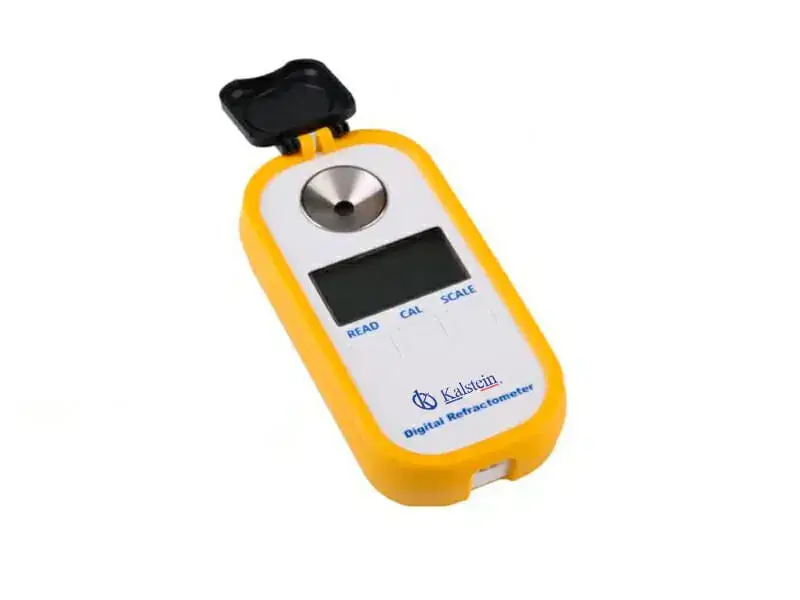
Integrating Digital BRIX Refractometers with LIMS: Streamlining Data Flow
The integration of digital BRIX refractometers with Laboratory Information Management Systems (LIMS) is a game-changer for laboratories. This integration enhances efficiency in data handling, ensuring accuracy and reliability in measurements. This article focuses on the various models available in the Digital BRIX Refractometer category, examining how each contributes to an optimized workflow through LIMS integration.
Understanding Digital BRIX Refractometers
Digital BRIX refractometers are essential instruments for measuring the concentration of soluble solids in aqueous solutions, which is critical in industries like food and beverage, pharmaceuticals, and chemical manufacturing. These instruments offer features such as automatic temperature compensation (ATC) and high precision, making them indispensable for laboratories looking to digitize and streamline their data flow.
Comparison of Available Models
| Model | Measurement Range | Precision | Temperature Compensation | Best for |
|---|---|---|---|---|
| YR05944 | Brix: 0.0-50.0% | ±0.2% | Yes (0-40°C) | Fruit juice analysis |
| YR05945 | Brix: 0.0-90.0% | ±0.2% | Yes (0-40°C) | Syrup testing |
| YR05946 | Refractive Index: 1.3330-1.5177nD | ±0.0003nD | Yes (0-40°C) | General research |
| YR05947 | Dextran: 0.0-10.6% | ±0.2% | Yes (0-40°C) | Biotechnology applications |
| YR05948 | Fructose: 0.0-68.9% | ±0.2% | Yes (0-40°C) | Food industry |
| YR05949 | Glucose: 0.0-59.9% | ±0.2% | Yes (0-40°C) | Clinical applications |
Integrating Digital BRIX Refractometers with LIMS
LIMS integration is pivotal for laboratories aiming to optimize their workflows. Digital BRIX refractometers, such as the YR05944 and YR05945, facilitate seamless data transfer to LIMS through various connectivity protocols. This ensures that measurement data is automatically recorded and managed within the LIMS, reducing manual entry errors and improving data integrity.
Data Flow Digitalization: Benefits and Challenges
Digitalization of data flow using digital BRIX refractometers allows for real-time data analysis and monitoring. This enhances laboratory efficiencies by providing immediate access to measurement results. However, challenges such as ensuring compatibility between different LIMS and refractometer models, as well as training staff on new technologies, must be addressed to fully realize these benefits.
Key Connectivity Protocols for Smooth Operations
The successful integration of digital BRIX refractometers into LIMS relies on various connectivity protocols such as ASTM, HL7, and REST. By ensuring that the chosen model supports the desired protocols, laboratories can ensure smooth data flow and interoperability with existing systems.
Common Mistakes and How to Avoid Them
When integrating digital BRIX refractometers with LIMS, laboratories often make critical mistakes. These include not thoroughly assessing compatibility, underestimating training needs for laboratory staff, and failing to establish clear data management protocols. To avoid these issues, labs should conduct a detailed assessment before implementation and ensure comprehensive training sessions are held for users.
Monitoring and Maintenance for Optimal Performance
Regular calibration and maintenance of digital BRIX refractometers are essential for sustaining accuracy and performance. Establishing a calibration schedule based on the manufacturer's recommendations, especially for models with automatic temperature compensation like the YR05944, ensures reliable results and maintains compliance with industry standards.
Frequently Asked Questions
How do I ensure my digital BRIX refractometer integrates smoothly with LIMS?
To ensure a smooth integration of your digital BRIX refractometer with LIMS, it is crucial to choose a model like the YR05945 that supports standard connectivity protocols such as ASTM and HL7. Conducting compatibility assessments and user training will further enhance the integration process.
What are the key features to look for in a digital BRIX refractometer for LIMS?
When selecting a digital BRIX refractometer for LIMS, look for features such as automatic temperature compensation, data exporting capabilities, and support for common protocols. The YR05946 model excels in these areas, making it a great choice for laboratory integration.
How often should I calibrate my digital BRIX refractometer?
Calibration frequency for a digital BRIX refractometer, such as the YR05944, should follow the manufacturer's guidelines, typically recommended at regular intervals or after significant usage. This ensures measurement accuracy and compliance with quality standards.
What protocols can my digital BRIX refractometer support for LIMS integration?
Models like the YR05948 can support various protocols for LIMS integration, including ASTM and REST. These protocols enable efficient data transfer and communication between the refractometer and the LIMS, optimizing laboratory workflows.
How does automatic temperature compensation benefit laboratory measurements?
Automatic temperature compensation (ATC) benefits laboratory measurements by adjusting for temperature variations, ensuring consistent and accurate readings. Models like the YR05949 are equipped with ATC, making them ideal for environments with fluctuating temperatures.
What is the best digital BRIX refractometer for high sugar concentration solutions?
The YR05945 model is the best choice for measuring high sugar concentration solutions, as it has a measurement range of 0.0-90.0% Brix. This high range makes it suitable for syrup and juice applications in food industries.
Can digital BRIX refractometers reduce errors in data collection?
Yes, digital BRIX refractometers like the YR05946 significantly reduce errors in data collection by automating the measurement process and integrating with LIMS. This minimizes manual entry errors and enhances data reliability across laboratory operations.
Conclusion
Integrating digital BRIX refractometers with LIMS presents a transformative opportunity for laboratories aiming to streamline their data workflows. By choosing models that support effective data transfer protocols and ensuring proper calibration and training, labs can enhance their operational efficiency and accuracy.
If you are looking for a fusion of innovation and quality, you have come to the right place. At Kalstein, we offer you the luxury of exploring our exclusive catalog of laboratory equipment. We manufacture every device to the highest standards of excellence. Our intuitive and seamless online purchasing channels are designed for your convenience, securing the most competitive prices. Hesitate no longer — we bring science to life, it is time to become part of our community.