Integrating Electric Wheelchairs with LIMS: Optimizing Data Flow in 2026
As the demand for electric wheelchairs continues to rise, the need for efficient data management solutions is becoming increasingly critical. Laboratory Information Management Systems (LIMS) offer a robust platform to streamline data flow and enhance operational efficiency for electric wheelchair manufacturers and suppliers. This article explores the integration of electric wheelchairs with LIMS, focusing on digitalization and data management strategies that can improve overall service delivery.
Understanding Electric Wheelchair Models and Their Data Management Needs
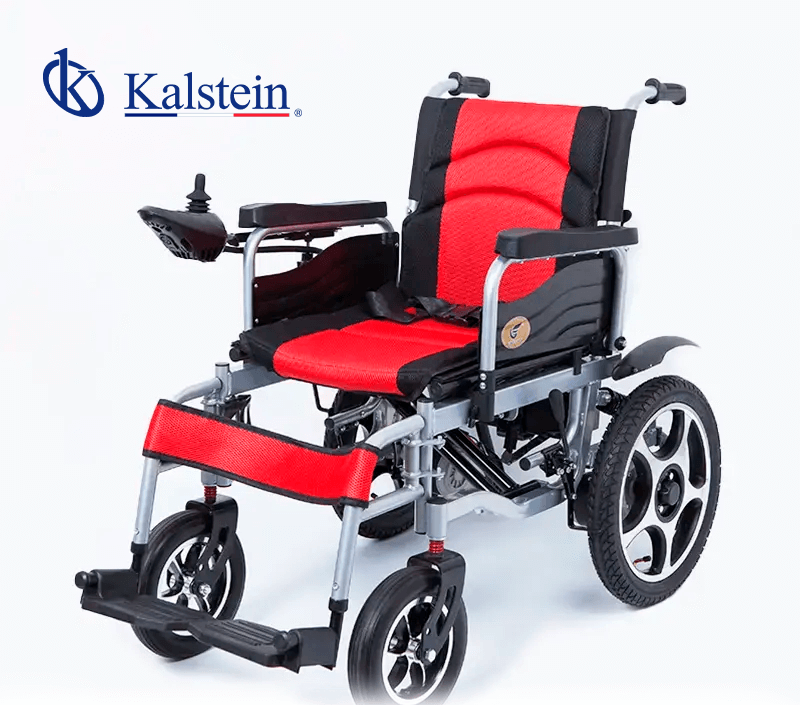
Electric wheelchairs, such as the models YR05440, YR05441, YR05442, YR05443, YR05444, and YR05445, possess unique specifications that influence their usage and data management requirements. These models range in features from lightweight, foldable designs to advanced functionalities such as remote control and USB charging. Each model caters to specific user needs which reflect on the type of data that must be managed through LIMS, such as user safety features, maintenance logs, and performance metrics.
Benefits of LIMS Integration for Electric Wheelchair Manufacturers
Integrating electric wheelchairs with LIMS provides numerous benefits, including improved data accuracy, streamlined workflows, and enhanced regulatory compliance. By utilizing LIMS, manufacturers can automate data entry processes, reduce human error, and ensure that all data related to electric wheelchairs is captured and maintained effectively. This leads to better insights into usage patterns and maintenance needs, ultimately contributing to improved product quality and user satisfaction.
Connectivity Protocols and Data Exchange Mechanisms
Effective LIMS integration requires understanding various connectivity protocols. Commonly used protocols in the integration of electric wheelchairs include HL7, ASTM, and REST APIs. These protocols allow for seamless data exchange between electric wheelchairs and LIMS, ensuring that all relevant information, such as battery performance metrics from models like YR05442 and YR05444, can be captured and analyzed. This connectivity plays a crucial role in optimizing workflows and enhancing data integrity.
Data Sovereignty in Electric Wheelchair Operations
Data sovereignty is an essential consideration when integrating electric wheelchairs with LIMS. Manufacturers must ensure compliance with local data protection laws while managing sensitive user data. By implementing robust security measures within their LIMS, companies can protect user information collected from electric wheelchairs, such as operation logs and service histories. This not only safeguards user privacy but also enhances trust in the company’s commitment to data security.
Sample Integration Architecture for Electric Wheelchair Systems
Designing a successful integration architecture for electric wheelchair data management involves several components. This architecture typically includes the electric wheelchair’s onboard data collection system, a middleware for communication with LIMS, and the LIMS itself. By establishing clear data flow pathways, manufacturers can ensure that critical operational data from models like YR05441 and YR05443 are accurately captured and processed in real-time.
Validation Steps for LIMS Integration
Once the integration architecture is established, thorough validation steps are necessary to ensure functionality and reliability. Manufacturers should conduct system tests to confirm that data from electric wheelchairs is accurately recorded and that the LIMS can process this data efficiently. This may involve simulating data entry scenarios, stress testing the system under heavy loads, and ensuring compliance with relevant standards such as ISO 27001 for information security management.
Common Mistakes and How to Avoid Them
During the integration of electric wheelchairs with LIMS, several common mistakes may occur, including lack of proper training for staff, insufficient testing of the system, and overlooking data security measures. To avoid these pitfalls, companies should invest in comprehensive training programs, conduct rigorous pre-launch testing, and implement strong data security protocols. By addressing these areas, manufacturers can optimize their LIMS integration and enhance operational efficiency.
Comparison of Available Models
| Model | Weight (kg) | Load Capacity (kg) | Max Speed (km/h) | Price (USD) |
|---|---|---|---|---|
| YR05440 | 44.5 | 130 | 6 | 317.00 |
| YR05441 | 47 | 130 | 6 | 352.00 |
| YR05442 | 104 | 200 | 20 | 793.00 |
| YR05443 | 30 | 130 | 6 | 678.00 |
| YR05444 | 25 | 100 | 6 | 1125.70 |
| YR05445 | 18 | 100 | 8 | 610.00 |
Frequently Asked Questions
How can LIMS integration improve data management for electric wheelchairs?
LIMS integration can streamline data collection, enhance accuracy, and improve regulatory compliance for electric wheelchairs. For instance, models like YR05440 benefit from automated data entry, ensuring that performance and maintenance logs are consistently recorded and easily accessible.
Which connectivity protocols are essential for integrating electric wheelchairs with LIMS?
Essential connectivity protocols for electric wheelchair integration include HL7, ASTM, and REST APIs. These protocols facilitate seamless data exchange, allowing data from models such as YR05441 to be captured efficiently and utilized for operational insights.
What are the common pitfalls in LIMS integration for electric wheelchair manufacturers?
Common pitfalls include inadequate training, insufficient system testing, and neglecting data security. Avoiding these mistakes ensures that models like YR05444 operate efficiently within the integrated system and maintain user data integrity.
How does data sovereignty affect electric wheelchair LIMS integration?
Data sovereignty requires manufacturers to comply with local laws regarding user data protection. By using LIMS, companies can ensure that sensitive information from electric wheelchairs, such as YR05443 service logs, is stored securely and in compliance with applicable regulations.
What validation steps are necessary for effective LIMS integration?
Validation steps include system tests to ensure data accuracy, stress tests for performance under load, and compliance checks with standards like ISO 27001. This process is crucial for integrating models such as YR05442 successfully.
How do electric wheelchairs benefit from automated data entry in a LIMS?
Automated data entry minimizes human error and enhances data accuracy for electric wheelchairs. For example, real-time data collection from YR05440 helps manufacturers track performance metrics and address issues proactively.
What operational insights can be gained from electric wheelchair data managed through LIMS?
LIMS-managed data provides insights into battery performance, user patterns, and maintenance needs for electric wheelchairs. This information is vital for optimizing the use of models like YR05441 and improving overall service delivery.
How can I request a quote for LIMS integration for electric wheelchairs?
To request a quote for integrating LIMS with electric wheelchairs, you can contact our sales team. We will provide tailored solutions to fit your specific needs and model requirements.
If you are looking for a fusion of innovation and quality, you have come to the right place. At Kalstein, we offer you the luxury of exploring our exclusive catalog of laboratory equipment. We manufacture every device to the highest standards of excellence. Our intuitive and seamless online purchasing channels are designed for your convenience, securing the most competitive prices. Hesitate no longer — we bring science to life, it is time to become part of our community.