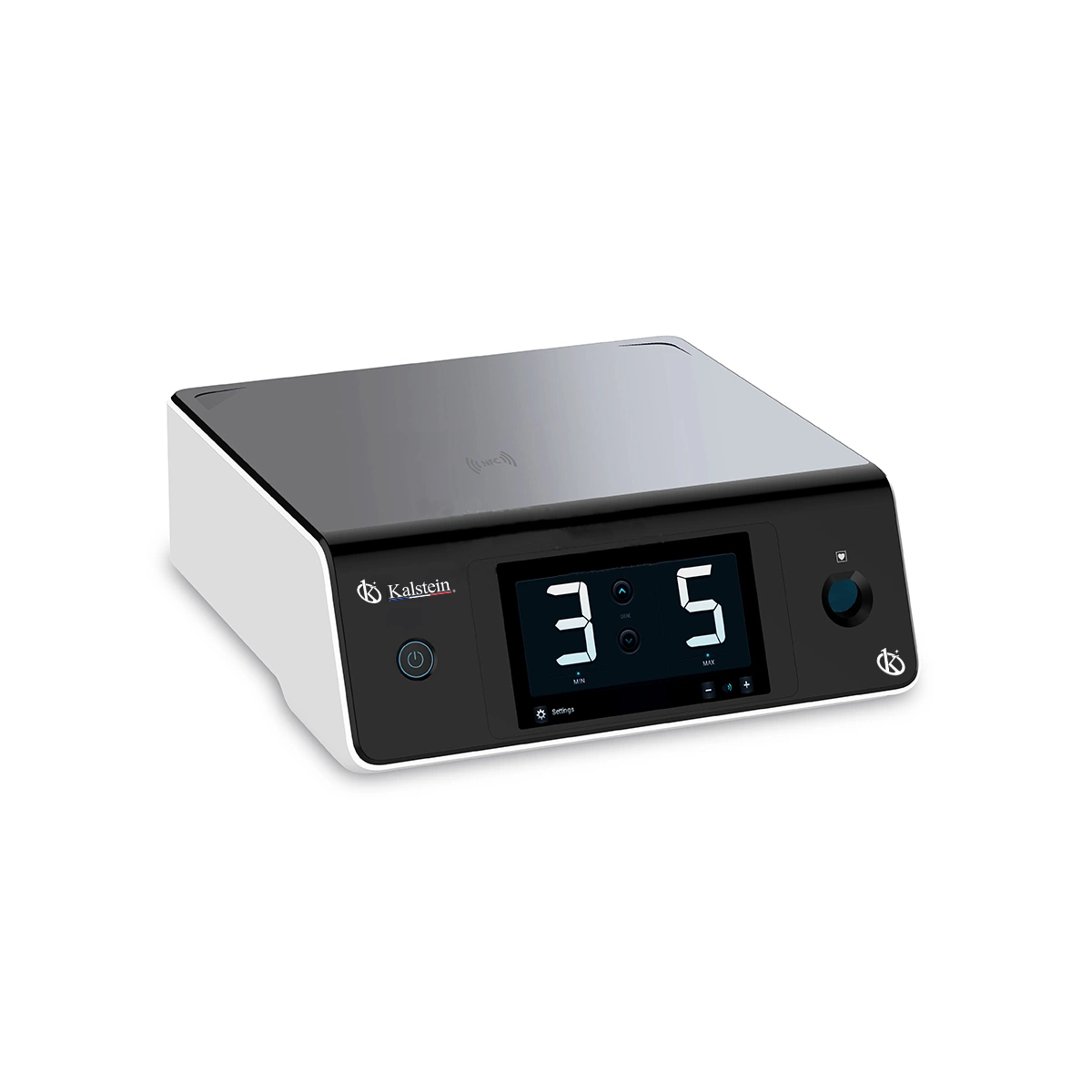
Integrating LIMS with Veterinary Electrosurgical Units: Enhancing Data Flow and Workflow
In the rapidly evolving field of veterinary medicine, the integration of Laboratory Information Management Systems (LIMS) with Veterinary Electrosurgical Units (VEUs) is becoming increasingly vital. This integration facilitates seamless data flow, enhances clinical workflow, and ensures a higher standard of patient care. This article delves into how various models of veterinary electrosurgical units can benefit from LIMS integration, ultimately improving operational efficiency and patient outcomes.
Understanding LIMS and Its Importance in Veterinary Surgery
A Laboratory Information Management System (LIMS) is a powerful tool that manages samples, associated data, and laboratory workflows. In the context of veterinary surgery, LIMS can streamline data collection, processing, and reporting related to electrosurgical procedures. By integrating a VEU with a LIMS, veterinary practices can enhance data accuracy and facilitate better decision-making processes.
Key Benefits of LIMS Integration with Veterinary Electrosurgical Units
The integration of LIMS with veterinary electrosurgical units offers numerous advantages:
- Improved Data Management: Automates data entry and reduces the likelihood of errors.
- Enhanced Reporting: Facilitates real-time reporting of surgical outcomes and patient histories.
- Regulatory Compliance: Ensures that all procedures and data handling meet industry standards.
- Streamlined Workflows: Reduces manual tasks, allowing veterinary staff to focus more on patient care.
Overview of Veterinary Electrosurgical Units
Veterinary electrosurgical units are crucial in surgical settings, providing precision and safety during procedures. The models discussed here include:
- YR06129: This ultrasonic scalpel is ideal for sealing blood vessels under 3 mm, ensuring minimal blood loss and stable output through advanced technology.
- YR06130: A blood vessel sealing generator that excels in multifunctionality, it is suited for various surgeries, enhancing operational efficiency.
- YR06131: The LigaSure model offers reliable sealing for larger vessels, reducing bleeding and improving surgical outcomes.
- YR06132: A versatile electrosurgical unit that provides multiple modes for cutting and coagulation, suitable for various tissue types.
- YR06133 & YR06134: Portable diode laser systems that offer flexibility with dual wavelengths, useful for both contact and non-contact procedures.
Comparison of Available Models
| Model | Output Power (W) | Best For | Integration Capability |
|---|---|---|---|
| YR06129 | Max 380 mA | Small Vessel Sealing | Yes |
| YR06130 | Max 35 W | General Surgery | Yes |
| YR06131 | Max 300 W | Laparoscopic Procedures | Yes |
| YR06132 | Max 300 W | Open Surgery | Yes |
| YR06133 | 15 W | Portable Applications | Yes |
| YR06134 | 15 W | Portable Applications | Yes |
Common Mistakes and How to Avoid Them
When integrating LIMS with veterinary electrosurgical units, practitioners often make common mistakes that can hinder operational efficiency. One frequent error is underestimating the training required for staff to use these integrated systems effectively. Proper training sessions should be conducted to ensure all personnel are familiar with the functionalities and benefits of the system.
Another common mistake is failing to choose a VEU that adequately supports the specific needs of the veterinary practice. Careful consideration of each model's capabilities, like those outlined above, can help avoid purchasing a unit that does not align with surgical procedures.
Fostering a Digital Workflow in Veterinary Practices
Digital workflows are becoming essential in modern veterinary practices. LIMS integration with VEUs creates a digital backbone that supports real-time data capture and analysis. This shift from paper-based methods to digital systems not only improves data accuracy but also enhances communication and collaboration among veterinary teams, leading to better patient outcomes.
Key Considerations for LIMS Integration
When integrating LIMS with veterinary electrosurgical units, several considerations must be taken into account:
- Compatibility: Ensure that the chosen VEU model is compatible with the existing LIMS framework.
- Data Security: Implement robust security measures to protect sensitive patient data.
- Customization: Look for systems that offer customizable options to fit the unique needs of your practice.
Clinical Examples of Successful Integration
Several leading veterinary practices have successfully integrated LIMS with their electrosurgical units, resulting in improved efficiency and patient care. For instance, a clinic utilizing the YR06130 noted a significant reduction in surgical time due to real-time data access, allowing for quicker decision-making during procedures. Similarly, practices utilizing the YR06131 experienced enhanced patient recovery times and fewer complications due to the precise sealing capabilities of the unit.
Frequently Asked Questions
How can LIMS improve workflow efficiency in veterinary electrosurgical units?
LIMS can significantly enhance workflow efficiency by automating data capture and reporting processes associated with veterinary electrosurgical units like the YR06129. This integration ensures that surgical teams spend less time on administrative tasks and more time on patient care.
What are the top features to look for in a veterinary electrosurgical unit for LIMS integration?
When looking for a veterinary electrosurgical unit, features such as compatibility with LIMS systems, user-friendly interfaces, and reliable output power are crucial. For instance, the YR06130 offers a touch-screen panel that facilitates easy data management.
Which veterinary electrosurgical units are best for large vessel sealing?
The YR06131 is particularly effective for sealing larger vessels, with a maximum power output of 300 watts. This model ensures minimal blood loss during surgeries, making it ideal for complex procedures.
What role does data security play in LIMS integration with veterinary surgical equipment?
Data security is critical when integrating LIMS with veterinary electrosurgical equipment. Ensuring secure handling of sensitive patient data helps comply with regulations while maintaining trust with clients. Choosing units like the YR06132 ensures built-in security features.
How does LIMS help in maintaining regulatory compliance for veterinary surgeries?
LIMS aids in maintaining regulatory compliance by ensuring that all data related to procedures are accurately recorded and easily accessible. This is essential for audits and reviews, particularly in practices using models like the YR06130.
What are the cost implications of implementing LIMS with veterinary electrosurgical units?
Implementing LIMS with veterinary electrosurgical units like the YR06129 can lead to cost savings over time by reducing errors and improving efficiency. The initial investment may vary, but the long-term benefits make it a worthwhile endeavor for practices.
How can a veterinary practice prepare for the transition to a LIMS-integrated system?
A veterinary practice should begin by assessing its current workflows and identifying areas where LIMS can add value. Training staff and selecting compatible equipment, such as the YR06131, are key steps in ensuring a smooth transition.
What is the expected return on investment from a LIMS-integrated veterinary electrosurgical unit?
The expected return on investment can vary, but practices using LIMS-integrated units like the YR06130 often report reduced operational costs and improved patient outcomes, leading to a favorable ROI within months of implementation.
If you are looking for a fusion of innovation and quality, you have come to the right place. At Kalstein, we offer you the luxury of exploring our exclusive catalog of laboratory equipment. We manufacture every device to the highest standards of excellence. Our intuitive and seamless online purchasing channels are designed for your convenience, securing the most competitive prices. Hesitate no longer — we bring science to life, it is time to become part of our community.