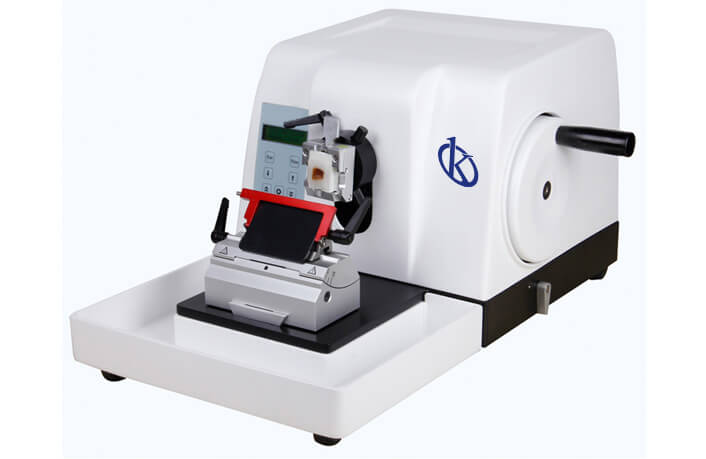
Integrating Microtomes with LIMS for Enhanced Data Flow in Histopathology
In the rapidly evolving field of histopathology, the integration of microtome systems with Laboratory Information Management Systems (LIMS) has become a crucial aspect of optimizing laboratory operations and enhancing data management. This article delves into how various models from the Microtome Series facilitate this integration, highlighting their unique features, advantages, and the overall impact on workflow efficiency.
Understanding the Role of Microtomes in Histopathology
Microtomes are essential tools in histopathology, primarily used for slicing tissues into ultra-thin sections suitable for microscopic examination. The accuracy and quality of these slices are vital for accurate diagnosis and research. Integrating microtomes with LIMS streamlines the workflow by ensuring that data generated during the slicing process is effectively captured and managed.
Benefits of LIMS Integration for Microtomes
The integration of microtomes with LIMS enhances laboratory efficiency by providing several key benefits:
- Automated Data Capture: Reduces manual entry errors and speeds up the data logging process.
- Improved Traceability: Allows for better tracking of samples and related data, essential for compliance with standards like ISO 17025.
- Enhanced Reporting: Facilitates the generation of comprehensive reports that can help in audits and quality assurance.
- Streamlined Workflows: Connects various laboratory processes, reducing turnaround times for sample processing.
Comparison of Available Models
| Model | Price (USD) | Best for | Integration Features |
|---|---|---|---|
| YR417-1 | 5200.00 | General histopathology | Standardized data output for LIMS |
| YR416 | 3600.00 | High-demand sectioning | Compatible with various LIMS protocols |
| YR417 | 4000.00 | Research laboratories | Manual data logging support |
| YR420 | 2400.00 | Pathological analysis | Real-time data transfer capabilities |
| YR421 | 2400.00 | Quality assurance labs | Integration-ready for major LIMS |
| YR422 | 1200.00 | Budget-friendly labs | Basic data management features |
Key Features of Each Microtome Model
Semi-automatic rotary microtome YR417-1
The YR417-1 is designed for general histopathology applications, featuring enhanced data output compatibility that aids in seamless integration with LIMS setups.
Semi-automatic rotary microtome YR416
The YR416 excels in high-demand sectioning, providing precision and is compatible with numerous LIMS protocols, ensuring robust data management.
Microtome Handbook YR417
Ideal for research laboratories, the YR417 allows for manual data logging while its advanced slicing capabilities are suited for high-quality tissue sections.
Microtome Handbook YR420
The YR420 is designed for pathological analysis, offering real-time data transfer capabilities that enhance workflow efficiency when integrated with LIMS.
Microtome Handbook YR421
With its integration-ready design, the YR421 is perfect for quality assurance labs, ensuring compliance with data management standards.
Rotating Microtome YR422
As a budget-friendly option, the YR422 is designed for laboratories seeking essential data management features, making it a reliable choice for basic integration.
Common Mistakes and How to Avoid Them
When integrating microtomes with LIMS, laboratories often make several common mistakes:
- Neglecting Compatibility: Ensure the selected microtome model is compatible with existing LIMS protocols.
- Underestimating Training Needs: Provide adequate training for personnel to handle both LIMS and microtome operations efficiently.
- Skipping Validation Steps: Validate the integration process to guarantee data accuracy and compliance with standards.
Frequently Asked Questions
How does LIMS integration improve the workflow of microtome YR416 in histopathology labs?
The integration of the YR416 with a LIMS enhances workflow by automating data capture, which minimizes manual errors. With its precision cutting capabilities, it meets the high demands for quality tissue sections while ensuring data is logged efficiently in the system.
What are the best practices for validating data flow with microtome YR417-1 and LIMS?
To validate data flow with the YR417-1, ensure alignment with ISO 17025 standards by performing regular audits and checks on data accuracy. Regular training sessions for users on both the microtome and LIMS functions will further enhance data quality and reliability.
Which microtome model offers the best ROI for LIMS integration in small labs?
The YR422 is an ideal choice for small labs seeking a cost-effective solution. Its basic features support essential LIMS integration, making it affordable while still providing reliable data management capabilities.
What unique features does YR420 provide for enhancing data integration in histopathology?
The YR420 offers real-time data transfer capabilities, which significantly enhance data integration in histopathology. This feature allows for instant logging of sample data into the LIMS, improving overall workflow efficiency.
How can the use of YR421 assist in maintaining compliance with laboratory standards?
The YR421 is designed with integration-ready features that allow smooth data management, supporting compliance with laboratory standards such as ISO 17025. Its robust documentation and reporting capabilities further ensure adherence to regulatory requirements.
What are the key aspects to consider when integrating microtomes with LIMS?
Key aspects include compatibility of the microtome model with LIMS protocols, training for laboratory personnel on both systems, and ensuring validation of the data management process to maintain accuracy and compliance.
How can histopathology labs benefit from integrating the microtome handbook YR417 with LIMS?
Integrating the YR417 with LIMS provides histopathology labs with improved data traceability and reporting capabilities. This integration enhances workflow efficiency and ensures high-quality results while minimizing manual errors.
What is the expected lifespan of a microtome integrated with LIMS?
The lifespan of a microtome, such as the YR416 when integrated with LIMS, can be extended through proper maintenance and calibration. Regular usage consistent with manufacturer guidelines typically leads to a lifespan of over 10 years.
If you are looking for a fusion of innovation and quality, you have come to the right place. At Kalstein, we offer you the luxury of exploring our exclusive catalog of laboratory equipment. We manufacture every device to the highest standards of excellence. Our intuitive and seamless online purchasing channels are designed for your convenience, securing the most competitive prices. Hesitate no longer — we bring science to life, it is time to become part of our community.