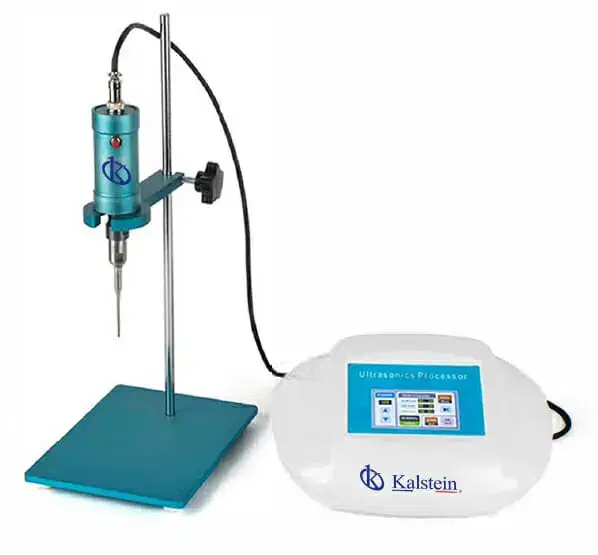
Integrating Ultrasonic Homogenizers with LIMS: Streamlining Data Flow for Enhanced Laboratory Efficiency
Integrating ultrasonic homogenizers with Laboratory Information Management Systems (LIMS) represents a significant advancement in laboratory technology. This integration not only enhances data flow but also optimizes workflow by automating processes that were traditionally manual. In this article, we will explore the various ultrasonic homogenizer models available, their functionalities, and how they can seamlessly integrate with LIMS for improved laboratory efficiency.
Understanding the Role of Ultrasonic Homogenizers in Modern Laboratories
Ultrasonic homogenizers serve as crucial tools in laboratories for various applications, including emulsification, cell disruption, and extraction. These devices utilize ultrasonic waves to create high shear forces that effectively break down materials, making them essential for tasks that require precise samples. As laboratories continue to adopt digital workflows, integrating ultrasonic homogenizers with LIMS becomes imperative to enhance accuracy, traceability, and efficiency.
Comparison of Available Models
| Model | Ultrasonic Power (W) | Processing Capacity (ml) | Price (USD) |
|---|---|---|---|
| YR05829 | 5-150 | 0.1-50 | 659.00 |
| YR05830 | 5-250 | 0.5-100 | 659.00 |
| YR05831 | 5-400 | 0.5-300 | 699.00 |
| YR05831-op1 | 5-400 | 0.5-300 | 149.00 |
| YR05831-op2 | 5-400 | 0.5-300 | 95.00 |
| YR05832 | Max 650 | 0.2-500 | 1050.00 |
Key Benefits of LIMS Integration for Ultrasonic Homogenizers
Integrating ultrasonic homogenizers with LIMS brings several key benefits, including improved data accuracy, enhanced traceability, and streamlined workflows. By automating data collection and processing, laboratories can significantly reduce human error and improve compliance with regulatory standards. Furthermore, LIMS can provide real-time data tracking, allowing researchers to monitor processes efficiently.
Connecting Ultrasonic Homogenizers to LIMS: Protocols and Considerations
To achieve seamless integration, it is essential to consider the connectivity protocols supported by both ultrasonic homogenizers and LIMS. Many models offer compatibility with standard protocols such as HL7 and ASTM, facilitating data transfer between devices. It is vital to assess the integration effort required, including potential middleware solutions, to ensure smooth communication between systems.
Working with Data Management: Challenges and Solutions
Despite the advantages of LIMS integration, laboratories may encounter challenges related to data management. Issues such as data sovereignty, security, and interoperability can arise during the integration process. It is crucial to implement robust data governance policies and ensure compliance with data protection regulations to mitigate these risks.
Common Mistakes and How to Avoid Them
During the integration of ultrasonic homogenizers with LIMS, laboratories often make several common mistakes. These include underestimating the complexity of the integration process, neglecting user training, and failing to comprehensively assess data requirements. To avoid these pitfalls, it is essential to engage stakeholders early, provide adequate training, and conduct thorough pre-integration assessments.
Frequently Asked Questions
How does integrating ultrasonic homogenizers with LIMS improve laboratory efficiency?
Integrating ultrasonic homogenizers like the YR05831 with LIMS enhances laboratory efficiency by automating data collection and processing. This reduces manual errors and provides real-time monitoring of samples, improving overall workflow and compliance.
What are the common connectivity protocols for ultrasonic homogenizers and LIMS?
Common connectivity protocols for ultrasonic homogenizers such as YR05830 and LIMS include HL7 and ASTM, which facilitate efficient data exchange and integration between devices for optimized workflows.
Which ultrasonic homogenizer model is best for large volume processing?
The YR05831 model is best for large volume processing, as it supports a capacity of up to 300 ml, making it ideal for laboratories requiring high throughput and efficient sample handling.
How can I ensure data security during LIMS integration of ultrasonic homogenizers?
Ensuring data security during LIMS integration involves implementing robust data governance policies, utilizing encryption protocols, and ensuring compliance with data protection regulations to safeguard sensitive information.
What are the major benefits of using LIMS with ultrasonic homogenizers?
The major benefits of using LIMS with ultrasonic homogenizers include improved data accuracy, enhanced traceability, and streamlined workflows, ultimately leading to better compliance and efficiency in laboratory processes.
How much does it cost to integrate ultrasonic homogenizers with LIMS?
The cost to integrate ultrasonic homogenizers like the YR05832 with LIMS can vary based on the complexity of the integration and the specific solutions used. Typically, associated costs include software licensing and hardware setup, potentially totaling several thousand dollars.
What types of data can be managed through LIMS integration with ultrasonic homogenizers?
LIMS integration with ultrasonic homogenizers facilitates the management of data such as sample processing logs, operational parameters, and results, allowing for comprehensive tracking and reporting across laboratory operations.
How can I initiate the integration of my ultrasonic homogenizer with LIMS?
To initiate integration, begin by assessing compatibility with your LIMS, select the appropriate connection protocols, and plan for user training and support to ensure a smooth transition and effective utilization of both systems.
If you are looking for a fusion of innovation and quality, you have come to the right place. At Kalstein, we offer you the luxury of exploring our exclusive catalog of laboratory equipment. We manufacture every device to the highest standards of excellence. Our intuitive and seamless online purchasing channels are designed for your convenience, securing the most competitive prices. Hesitate no longer — we bring science to life, it is time to become part of our community.