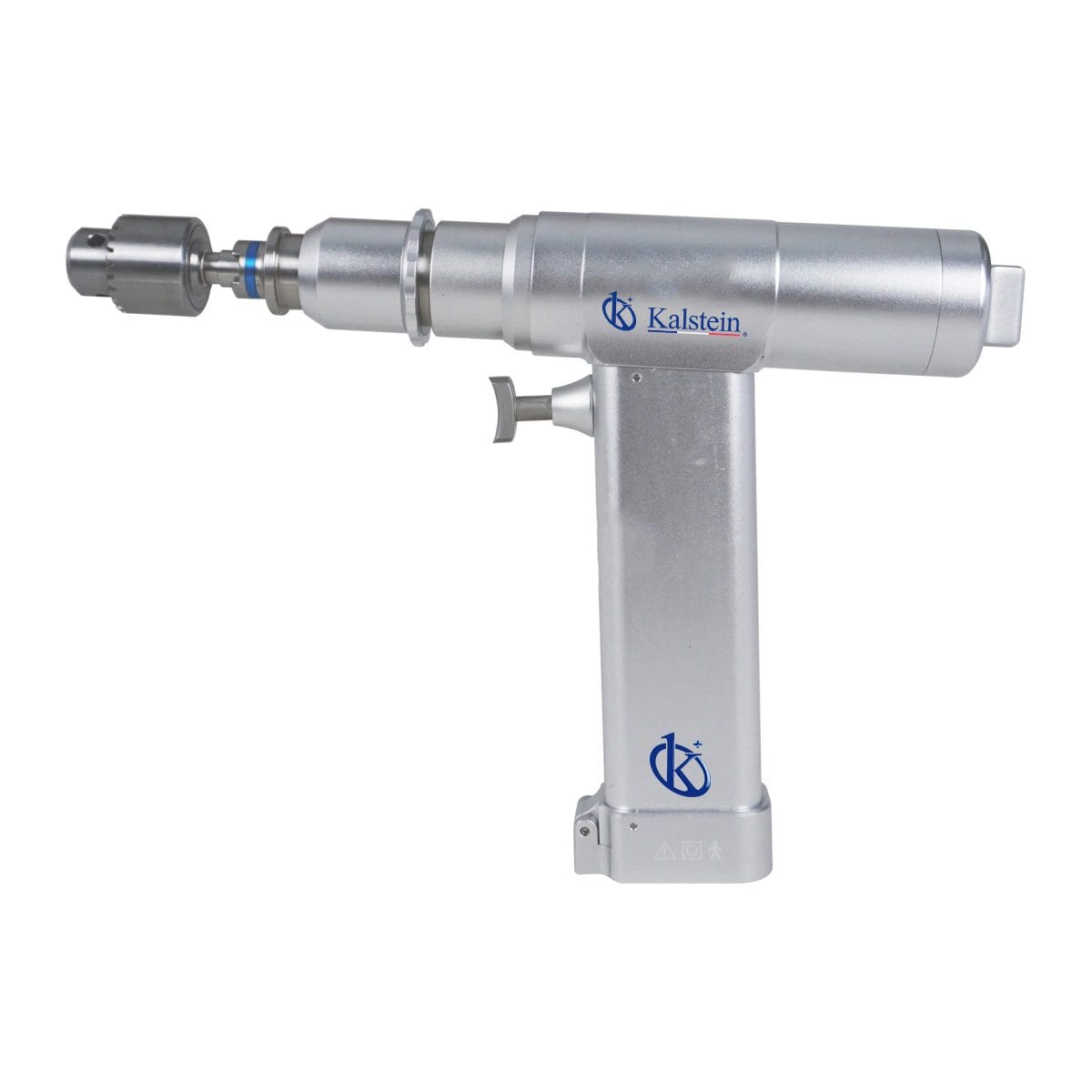
Integrating Veterinary Surgical Tools with LIMS for Enhanced Data Flow Efficiency
The integration of veterinary surgical tools with Laboratory Information Management Systems (LIMS) revolutionizes the way veterinary practices manage data and enhance surgical workflows. This integration supports a seamless flow of information, reduces errors, and optimizes surgical outcomes. In this article, we will explore how various models of veterinary surgical tools can integrate with LIMS, the benefits of such integrations, and common pitfalls to avoid.
Understanding the Role of LIMS in Veterinary Surgery
LIMS serves as a vital framework for managing laboratory and clinical data in veterinary practices. By automating data collection, management, and reporting, LIMS streamlines operations, allowing veterinarians to focus on patient care. Integration with surgical tools ensures that data generated during surgical procedures is accurately captured and easily accessible for analysis. This not only facilitates better decision-making but also enhances compliance with veterinary regulations.
Benefits of LIMS Integration with Veterinary Surgical Tools
Integrating veterinary surgical tools with LIMS brings numerous advantages, including:
- Improved Data Accuracy: Automated data entry reduces human error, ensuring that all surgical records are precise and up-to-date.
- Enhanced Workflow Efficiency: Real-time data access allows for quicker decision-making during surgeries, improving overall surgical efficiency.
- Streamlined Compliance: LIMS helps maintain compliance with veterinary standards by tracking all necessary documentation and protocols required for surgical procedures.
- Data Analysis and Reporting: Integration allows for easy analysis of surgical outcomes, helping practices identify trends and improve services.
Comparison of Available Models
| Model Code | Specifications | LIMS Integration Capability | Best Use Case |
|---|---|---|---|
| YR06126 | Electric Multifunction Tool, suitable for joint, trauma, neuro, and cardiac surgery. | Compatible with various data protocols, enabling efficient data capture. | Best for complex surgical procedures requiring multiple tool adapters. |
| YR06127 | Micro/Mini Multifunctional Tool, designed for small animal surgeries with ergonomic design. | Supports quick data uploads, improving workflow in small animal clinics. | Ideal for delicate surgical tasks where precision is critical. |
| YR06128 | Veterinary TPLO Saw, specifically for stabilizing knee joints in dogs post-ACL injury. | Provides real-time data transmission to LIMS for surgical tracking. | Best for orthopedic surgeries requiring high precision. |
Common Mistakes and How to Avoid Them
When integrating veterinary surgical tools with LIMS, practices often encounter common pitfalls:
- Underestimating Training Needs: Ensure all staff are trained on both LIMS and surgical tools to maximize efficiency.
- Neglecting Data Standards: Maintain consistency in data formats to avoid confusion and errors.
- Ignoring Feedback: Regularly solicit feedback from users to identify integration issues and improve workflows.
Key Considerations for LIMS Connectivity
Successful integration of surgical tools with LIMS involves several key considerations:
- Connectivity Protocols: Understand the specific protocols supported by both LIMS and surgical tools (e.g., HL7, REST).
- Data Security: Ensure that data transmitted between devices is secure and complies with relevant regulations.
- Scalability: Choose tools that can scale with your practice as surgical volume and complexity increase.
Real-World Examples of Successful Integration
Several veterinary practices have successfully integrated surgical tools with LIMS, leading to improved patient outcomes and operational efficiency. For instance, a clinic using the YR06126 tool reported a 30% decrease in surgical recording errors after implementing real-time data capture. Another practice using the YR06127 noted a significant reduction in surgery preparation time, enabling them to increase their surgical capacity.
Frequently Asked Questions
How can I ensure successful integration of LIMS with veterinary surgical tools?
Successful integration can be achieved by selecting models like YR06126, which supports various data protocols, and ensuring thorough staff training on LIMS functionalities. Regularly updating your systems and adhering to data management best practices can also significantly enhance the integration process.
What are the benefits of using LIMS-integrated veterinary surgical tools?
Using LIMS-integrated veterinary surgical tools like the YR06128 offers benefits such as improved data accuracy, streamlined compliance with veterinary regulations, and enhanced surgical workflow efficiency, ultimately leading to better patient outcomes.
Which veterinary surgical tool is best for small animal surgeries with LIMS integration?
The YR06127 Micro/Mini Multifunctional Veterinary Tool is specifically designed for small animal surgeries and offers excellent LIMS integration capabilities, allowing for quick data capture and analysis to improve surgical precision.
How much can LIMS integration improve surgical efficiency in veterinary practices?
Practices utilizing LIMS with tools like YR06126 have reported up to a 30% improvement in surgical efficiency due to real-time data updates, allowing for quicker decision-making during procedures.
What challenges should I expect when integrating surgical tools with LIMS?
Challenges may include the need for extensive staff training on both LIMS and surgical tools, ensuring data consistency across platforms, and managing any potential cybersecurity risks associated with data transmission.
What is the cost of implementing a LIMS-integrated surgical tool?
The costs can vary based on the model and configuration; for example, the YR06127 starts at approximately $1,300. However, the long-term benefits in efficiency and reduced errors can justify the initial investment.
How do I evaluate the best veterinary surgical tools for LIMS integration?
Evaluate tools based on their compatibility with LIMS protocols, user reviews on workflow efficiency, and their adaptability to various surgical applications. Models like YR06126 are known for their versatility and integration features.
Can I use LIMS with older veterinary surgical tools?
Older surgical tools may not support modern LIMS integration protocols. However, many practices have found success by upgrading to newer models, such as the YR06128, which are designed with connectivity in mind.
If you are looking for a fusion of innovation and quality, you have come to the right place. At Kalstein, we offer you the luxury of exploring our exclusive catalog of laboratory equipment. We manufacture every device to the highest standards of excellence. Our intuitive and seamless online purchasing channels are designed for your convenience, securing the most competitive prices. Hesitate no longer — we bring science to life, it is time to become part of our community.