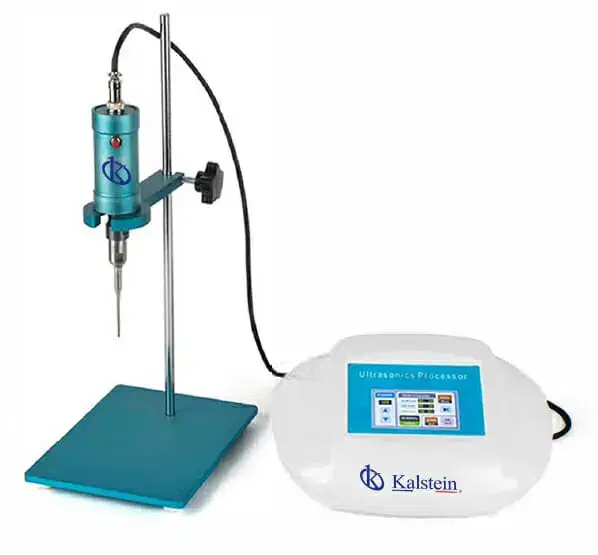
How to Interpret Results and Read Measurements with the YR05831-op1 Ultrasonic Homogenizer Processor
The YR05831-op1 Ultrasonic Homogenizer Processor is an advanced instrument designed for various applications in laboratory settings, particularly for liquid processing. With its capabilities in sample homogenization, emulsification, and extraction, it’s essential to understand how to interpret the results it delivers effectively. This article will guide you through the key aspects of reading measurements, understanding normal ranges, and avoiding common misinterpretations when using the YR05831-op1.
Understanding the YR05831-op1: Key Features and Benefits
The YR05831-op1 features a fully digital ultrasonic generator and operates on the principle of cavitation, which generates microbubbles that collapse to produce high shear forces. This mechanism is crucial in effectively homogenizing samples. Below are some key features:
- Automatic and Manual Modes: The YR05831-op1 offers both automatic and manual operational modes, allowing for flexible use depending on the application.
- Touch Control Screen: A 3.5-inch touchscreen simplifies operation, displaying real-time parameters clearly.
- Adjustable Ultrasonic Power: The device allows for power adjustments from 5 to 400W, catering to a variety of sample types.
- High Precision Frequency: It operates within 19-25 KHz, optimizing sample processing.
Technical Specifications of the YR05831-op1
| Model | Power (W) | Frequency (KHz) | Capacity (ml) |
|---|---|---|---|
| YR05831-op1 | 5-400 | 19-25 | 0.5-300 |
Measurement Units and Their Importance
When using the YR05831-op1, various units of measurement come into play, including:
- Power: Measured in Watts, indicating the intensity of ultrasonic energy applied.
- Frequency: KHz, which affects the size of the cavitation bubbles and the efficiency of homogenization.
- Volume: Milliliters (ml), represents the sample size being processed.
Understanding these units is essential for interpreting the results accurately. For instance, higher power may lead to better homogenization, but it can also cause sample degradation if not monitored properly.
Normal Ranges for Effective Results
Interpreting results also involves understanding normal ranges for the parameters utilized in your experiments with the YR05831-op1:
- Ultrasonic Power: Using power between 50-150W is generally effective for most liquid samples.
- Frequency: Maintaining a frequency around 20 kHz is optimal for efficient cavitation.
- Sample Capacity: Ensure the sample volume is within the range specified for the YR05831-op1 to avoid inconsistencies.
These ranges serve as benchmarks to gauge the adequacy of your results.
Common Misinterpretations and How to Avoid Them
Misinterpretation of results can lead to significant errors in experimental outcomes. Here are some common pitfalls:
- Assuming Higher Power Equals Better Results: While more power increases cavitation, it may also lead to overheating or sample loss. Always optimize power settings based on sample requirements.
- Ignoring Sample Volume: Using a sample volume outside the recommended range can lead to ineffective processing. Always verify before starting experiments.
- Misreading Display Parameters: The touchscreen displays various parameters in real-time; ensure to understand what each parameter signifies to avoid operational mistakes.
Proper training and a sound understanding of the equipment’s features can help avoid these misinterpretations.
Interpreting Measurement Results: A Practical Example
Let’s consider a practical example of interpreting results from the YR05831-op1. Suppose you are processing a 100 ml bacterial sample:
- Set ultrasonic power to 150W.
- Maintain frequency at 20 kHz.
- Process for 5 minutes.
After processing, you observe a reduction of the bacterial count from 10 million to 1 million per ml. This reduction indicates effective homogenization. However, if the count remains unchanged, reassess your power settings or processing time.
Frequently Asked Questions
What is the optimal frequency for the YR05831-op1 when processing samples?
The optimal frequency for the YR05831-op1 is between 19-25 kHz. This range facilitates efficient cavitation, which is essential for effective homogenization.
How do I calibrate the YR05831-op1 for accurate results?
Calibration involves running a sample of known concentration and adjusting the power settings until the output meets the expected results. Regular calibration ensures accuracy in your measurements.
What should I do if the YR05831-op1 displays error codes?
Error codes typically indicate operational issues. Refer to the user manual for specific error codes and their troubleshooting steps to rectify the problem.
Can I use the YR05831-op1 for different types of samples?
Yes, the YR05831-op1 is versatile and can process various liquid samples, including biological, chemical, and food samples. However, parameters like power and processing time may need adjustments based on the specific sample type.
How often should I service the YR05831-op1?
Regular servicing is recommended every 6 to 12 months, depending on usage frequency. This ensures the instrument remains in optimal working condition and prolongs its lifespan.
What accessories are recommended for use with the YR05831-op1?
Recommended accessories include various ultrasonic probes, sample containers, and cleaning tools that align with your specific processing needs, enhancing the functionality of the YR05831-op1.
Conclusion
If you are seeking to enhance your laboratory's capabilities, understanding how to interpret results and read measurements with the YR05831-op1 is paramount. This knowledge not only maximizes the performance of the ultrasonic homogenizer but also ensures the reliability of your experimental outcomes.
Request a quote on Kalstein Plus to explore the potential of the YR05831-op1 in your laboratory. If you are looking for a fusion of innovation and quality, you have come to the right place. At Kalstein, we offer you the luxury of exploring our exclusive catalog of laboratory equipment. We manufacture every device to the highest standards of excellence. Our intuitive and seamless online purchasing channels are designed for your convenience, securing the most competitive prices. Hesitate no longer — we bring science to life, it is time to become part of our community.