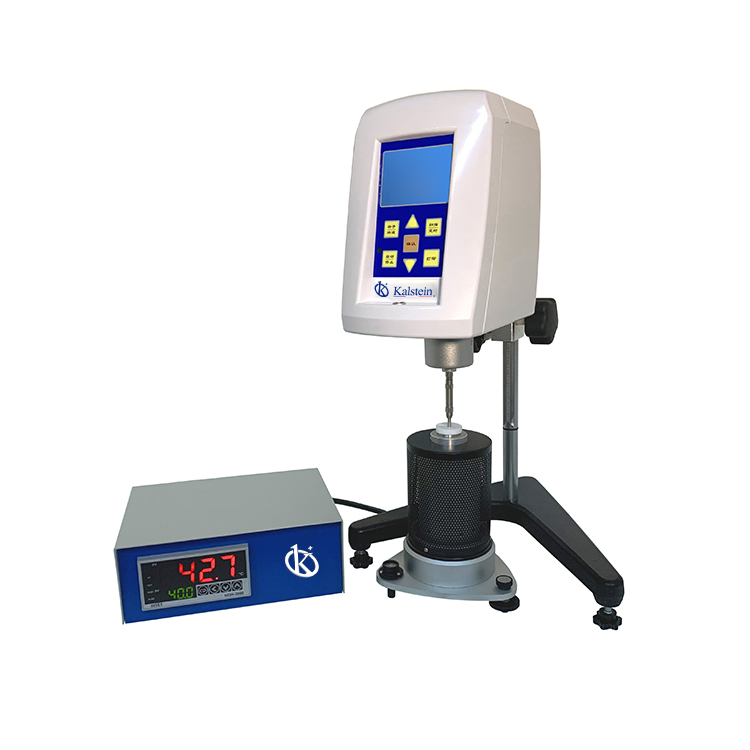
How to Interpret Results and Read Measurements with the YR05845 High Temperature Viscometer
The YR05845 High Temperature Viscometer is a specialized instrument designed to measure the viscosity of various fluids at elevated temperatures. Understanding how to interpret its results and accurately read measurements is crucial for laboratory technicians and researchers. This article will focus on the principles of operation, measurement accuracy, and techniques for reading the results effectively.
Understanding Viscosity and Its Importance
Viscosity is a measure of a fluid's resistance to flow. It plays a critical role in various fields, including chemical engineering, food production, pharmaceuticals, and more. The YR05845 High Temperature Viscometer is engineered to provide accurate viscosity measurements for non-Newtonian fluids that exhibit varying viscosity with temperature and shear rate.
In practical terms, knowing the viscosity of a material allows you to predict its behavior under different conditions, essential for processes such as mixing, pumping, and heating.
Technical Specifications of the YR05845
| Model | Brand | Category | Price USD | Weight (kg) |
|---|---|---|---|---|
| YR05845 | Kalstein | Viscometer | 2180.00 | 11 |
Principles of Operation for the YR05845
The YR05845 uses a coaxial structure that ensures accurate measurements with minimal sample volume (only 15-20 ml). The viscometer adapts to a wide range of viscosities, providing precise readings across varying temperatures from room temperature plus 10°C to 250°C. The rapid and accurate temperature control is a crucial feature that allows the user to maintain consistent testing conditions.
Measurements are taken using various rotors, each suited for specific viscosity ranges, ensuring versatility in application. The high precision of the instrument, with a display accuracy of two decimal places, further enhances its reliability.
How to Read Measurements on the YR05845
Reading measurements from the YR05845 involves understanding the display outputs clearly. The readings are provided directly on an LCD screen without the need for secondary calculations, which simplifies the process for operators.
It is essential to consider the viscosity units displayed, commonly in milliPascal-seconds (mPa.s). Familiarity with normal ranges for the specific fluid being measured can help in interpreting results effectively. For instance, the viscosity of many lubricants may fall between 100 mPa.s and 1000 mPa.s, while some industrial fluids can exceed 1,000 mPa.s.
Common Misinterpretations and How to Avoid Them
Operators might misinterpret viscosity readings due to several factors, including temperature variations, improper sample handling, or incorrect rotor selection. It is vital to ensure that samples are at the correct temperature before measurement, as viscosity can significantly change with temperature.
Additionally, using the wrong rotor for a specific viscosity range can lead to inaccurate results. Always refer to the technical specifications and compatibility charts for the YR05845 to select the appropriate rotor for your sample's viscosity.
Best Practices for Accurate Measurements
- Ensure the sample is homogeneous and at the correct temperature.
- Use the appropriate rotor for the viscosity range of the sample.
- Calibrate the viscometer regularly to maintain precision.
- Document environmental conditions during measurements to account for any fluctuations.
Frequently Asked Questions
What types of samples can be measured with the YR05845?
The YR05845 can measure a wide variety of fluids, particularly non-Newtonian liquids which exhibit a change in viscosity with temperature and shear rate.
How is the accuracy of the YR05845 ensured?
The YR05845 features a high precision display that shows measurements directly in two decimal points, ensuring accurate readings. Regular calibration also maintains its accuracy.
What is the significance of the temperature control range?
The temperature control range (room temperature plus 10°C to 250°C) is critical for measuring the viscosity of temperature-sensitive materials, ensuring reliable data across different testing scenarios.
How do I select the right rotor for my sample?
Selecting the right rotor depends on the expected viscosity range of your sample. Refer to the specifications and compatibility charts provided with the YR05845 to make the correct choice.
What should I do if I receive inconsistent readings?
Inconsistent readings can be caused by factors such as improper sample temperature, incorrect rotor use, or equipment malfunction. Ensure all conditions are optimal and consult the troubleshooting guide for further steps.
Is training available for new users of the YR05845?
Yes, training sessions are offered to help new users understand the operation and interpretation of results from the YR05845, ensuring effective use of the instrument.
Request a Quote
If you are looking for a fusion of innovation and quality, you have come to the right place. At Kalstein, we offer you the luxury of exploring our exclusive catalog of laboratory equipment. We manufacture every device to the highest standards of excellence. Our intuitive and seamless online purchasing channels are designed for your convenience, securing the most competitive prices. Hesitate no longer — we bring science to life, it is time to become part of our community.