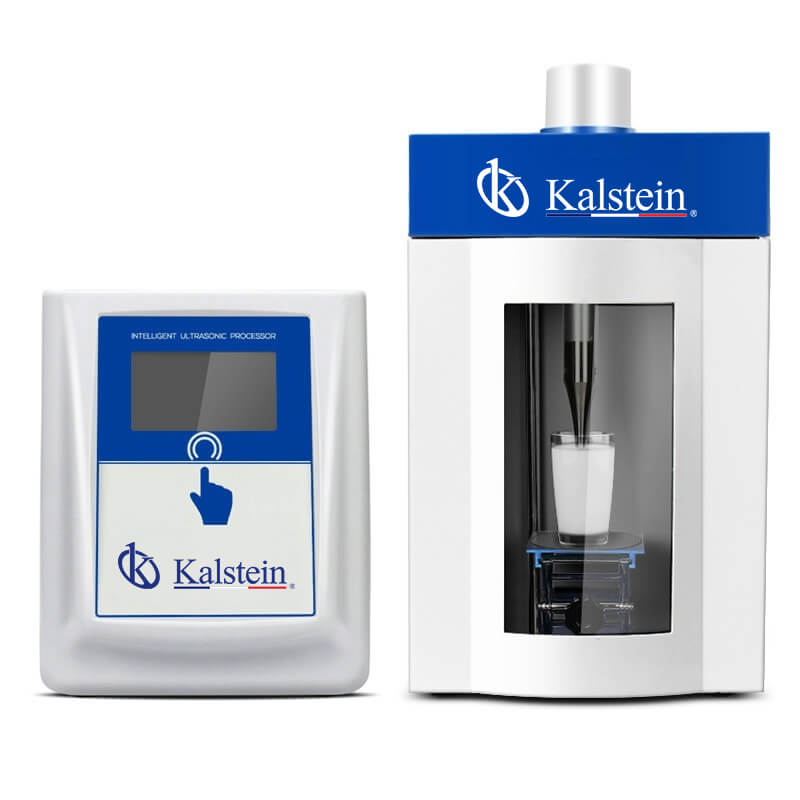
Interpreting Results: Measurement Reading with the YR05836 Ultrasonic Homogenizer
The YR05836 Ultrasonic Homogenizer is a versatile instrument widely used in various scientific fields such as biochemistry, microbiology, and physical sciences. This article aims to provide a comprehensive understanding of interpreting results and reading measurements obtained from this advanced ultrasonic processor.
Understanding the Working Principle of the YR05836
The YR05836 utilizes ultrasonic waves to induce cavitation in liquids, resulting in effective homogenization, cell disruption, and material dispersion. The process involves the generation of high-frequency sound waves which create microscopic bubbles in the liquid. As these bubbles grow and collapse rapidly, they produce intense local energy, facilitating the breakdown of cells and the creation of stable emulsions.
Key principles governing the operation of the YR05836 include:
- Cavitation: The formation and implosion of bubbles in a liquid medium lead to powerful shear forces that can disrupt cellular structures.
- Frequency: The operating frequency range of 20-25 kHz is optimal for most applications, ensuring effective energy transfer into the sample.
- Amplitude: The adjustable amplitude allows for customization of the intensity of treatment, accommodating various sample types and desired outcomes.
Technical Specifications of the YR05836
| Model | Power (W) | Frequency (kHz) | Temperature Control | Weight (kg) |
|---|---|---|---|---|
| YR05836 | 900 | 20-25 | No | 19 |
How to Read Measurements from the YR05836
Reading measurements from the YR05836 accurately involves understanding the displayed data and interpreting it in the context of your specific application. The device features a large TFT touchscreen that shows various parameters:
- Power Output: This indicates the current power setting, displayed in watts, which can be adjusted from 0 to 900 watts.
- Amplitude: This parameter defines the intensity of the ultrasonic waves and can be adjusted based on the sample being processed.
- Time: Displays the duration of the sonication process; precise timing is crucial for optimal results.
Common Misinterpretations of Results
Operators may encounter common pitfalls when interpreting results obtained from the YR05836. Some key areas to consider include:
- Power Misreadings: Ensure you are aware of the difference between peak and average power; misjudging this can affect the outcome.
- Sample Variability: Different sample types may require different settings; one-size-fits-all settings may lead to ineffective processing.
- Time Management: Not adhering to the recommended sonication time can either lead to incomplete homogenization or sample degradation.
Best Practices for Effective Use of the YR05836
To maximize performance and ensure accurate results when using the YR05836, consider the following best practices:
- Calibration: Regularly calibrate the device to ensure accurate readings and consistent performance.
- Sample Preparation: Properly prepare samples to ensure they are suitable for ultrasonic processing.
- Follow Protocols: Adhere strictly to established protocols for specific applications to avoid variability in results.
Frequently Asked Questions
What are the key features of the YR05836 Ultrasonic Homogenizer?
The YR05836 features a large TFT touchscreen for easy operation, adjustable power output, and a wide frequency range that enhances versatility in applications such as emulsification and cell disruption.
How do I ensure accurate power settings on the YR05836?
To ensure accurate power settings, regularly calibrate the device and monitor the displayed power output during operation. Adjust the amplitude based on the specific requirements of your sample.
What applications benefit from using the YR05836?
The YR05836 is beneficial for a variety of applications including sample homogenization in clinical labs, emulsification in food technology, and cell disruption in microbiological studies.
How does cavitation affect the results obtained from the YR05836?
Cavitation significantly enhances the homogenization and emulsification processes by producing intense shear forces that break down particles and cells, leading to more uniform and stable mixtures.
What maintenance is required for the YR05836 to ensure longevity?
Regular maintenance includes cleaning the device, checking for wear on the ultrasonic probes, and ensuring that all connections are secure. Following the manufacturer's guidelines for service intervals will also enhance the lifespan of the equipment.
What should I do if I encounter error codes on the YR05836?
In the event of an error code, refer to the user manual for troubleshooting steps. Common solutions may include resetting the device, checking connections, or recalibrating the equipment.
To enhance your laboratory's capabilities, request a quote on the YR05836 Ultrasonic Homogenizer today.
If you are looking for a fusion of innovation and quality, you have come to the right place. At Kalstein, we offer you the luxury of exploring our exclusive catalog of laboratory equipment. We manufacture every device to the highest standards of excellence. Our intuitive and seamless online purchasing channels are designed for your convenience, securing the most competitive prices. Hesitate no longer — we bring science to life, it is time to become part of our community.