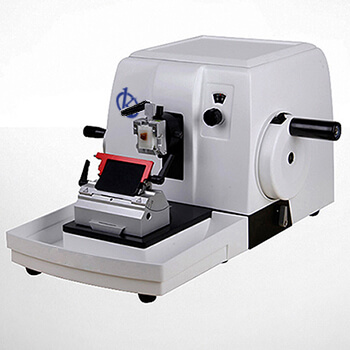
Interpreting Results and Measurements with the YR417 Microtome: A Comprehensive Guide
The YR417 Microtome is designed to meet the diverse needs of histology and histopathology laboratories. Its flexibility and high-precision mechanics make it ideal for producing quality sections while maintaining consistent performance. This article focuses on the interpretation of results and measurements obtained from the YR417, providing insights into how to read and understand the data it generates.
Understanding the YR417 Microtome
The YR417 Microtome is an essential tool in laboratories for slicing samples into thin sections. With its adjustable cutting thickness ranging from 0 to 60 μm and a minimum setting of 1 μm, the YR417 allows precise control over sectioning. This level of control is crucial in obtaining accurate measurements and ensuring high-quality samples for microscopic analysis.
Technical Specifications of the YR417
| Specification | Details |
|---|---|
| Model | YR417 |
| Cutting Thickness Adjustment Range | 0-60 μm |
| Minimum Cutting Thickness Setting | 1 μm |
| Maximum Sample Size | 70×70 mm |
| Cutting Thickness | 15 μm and 35 μm |
| Sample Retraction | 60 μm (optional) |
| Horizontal Sample Feed | 28 mm |
| Vertical Sample Stroke | 70 mm |
| Blade Holder Base Movement Range | 0-60 mm (front to back) |
| Blade Press Plate Movement Range | 0-23 mm |
| Sample Holder Rotation | Any angle within 360 degrees |
| Sample Orientation | XY-8° |
| Precision Error | ±1% |
| Dimensions | 590×500×330 mm (Width×Depth×Height) |
| Net Weight | 37 kg |
Interpreting Measurements from the YR417 Microtome
When operating the YR417, users must understand how to interpret the measurements accurately. The primary measurement of interest is the thickness of the sections produced. This measurement is critical as it influences the clarity and quality of the microscopic images obtained from the sections. The adjustments made on the YR417 can directly impact the thickness settings and should align with the desired outcomes for specific histological examinations.
Furthermore, understanding the implications of varying cutting thicknesses is essential for accurate result interpretation. Thinner sections may offer more detailed views of cellular structures, while thicker sections are suitable for providing a broader overview of tissue architecture.
Common Misinterpretations of Results
Accurate interpretation of results can be hampered by common misinterpretations. For instance, users should be aware that an error in thickness setting can lead to discrepancies in the observed cellular details under the microscope. Additionally, factors like blade quality and sample preparation play a significant role in the quality of the sections. Thus, always ensure that blades are sharp and samples are appropriately embedded and supported.
Another factor to consider is that results may vary depending on the sample type. Biological samples can behave differently during sectioning, resulting in unexpected outcomes if not properly accounted for in the interpretation of results.
Best Practices for Accurate Measurements with the YR417
To achieve the most reliable measurements when using the YR417 Microtome, adhere to the following best practices:
- Always calibrate the microtome before use to ensure precision in thickness settings.
- Keep the sample well-prepared, ensuring proper embedding and stabilization.
- Regularly inspect the blades for wear, replacing them as necessary to maintain cutting efficiency.
- Take the time to familiarize yourself with the microtome’s controls, including the adjustment knobs for cutting thickness and retraction.
- Document the cutting settings and conditions for each type of sample to aid in future measurements.
Frequently Asked Questions
How do I adjust the cutting thickness on the YR417 Microtome?
To adjust the cutting thickness on the YR417 Microtome, locate the thickness adjustment knob. By turning this knob, you can set the desired thickness within the range of 0 to 60 μm. Make sure to confirm the setting before starting the sectioning process.
What should I do if I notice inconsistencies in section thickness?
If you notice inconsistencies in section thickness, first check the blade condition for wear or damage. Additionally, verify that the sample is properly prepared and embedded. Calibrating the microtome may also resolve discrepancies.
How can I ensure the best quality sections with the YR417?
To ensure the best quality sections, use sharp blades, prepare samples adequately, and calibrate the microtome before use. Regular maintenance and cleaning of the unit will also contribute to optimal performance.
What are the common mistakes during the operation of the YR417?
Common mistakes include improper blade handling, incorrect thickness settings, and inadequate sample preparation. Always follow the user manual for best practices to minimize these errors.
Can the YR417 Microtome be used for different types of samples?
Yes, the YR417 Microtome can be used for various types of samples in histology and histopathology. However, the settings may need adjustments based on the sample type and desired thickness.
What maintenance does the YR417 Microtome require?
Regular maintenance includes cleaning, checking blade sharpness, and calibrating the unit. Keeping a log of maintenance activities can help track the microtome's performance over time.
If you are looking for a fusion of innovation and quality, you have come to the right place. At Kalstein, we offer you the luxury of exploring our exclusive catalog of laboratory equipment. We manufacture every device to the highest standards of excellence. Our intuitive and seamless online purchasing channels are designed for your convenience, securing the most competitive prices. Hesitate no longer — we bring science to life, it is time to become part of our community.