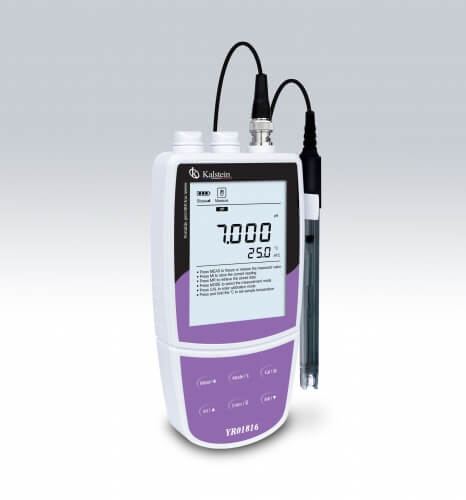
Interpreting Results and Reading Measurements with the YR01817-15 Portable Ammonium Ion Meter
The YR01817-15 Portable Ammonium Ion Meter is a professional-grade device designed for measuring ammonium ion concentrations in various environments. Understanding how to interpret results and accurately read measurements is paramount to ensuring the validity of your data. This article dives deep into the functionality, specifications, and practical applications of the YR01817-15, providing users with essential knowledge to maximize the device's potential.
Overview of the YR01817-15 Portable Ammonium Ion Meter
The YR01817-15 is engineered for precision and reliability, featuring a backlit LCD display to enhance visibility under different lighting conditions, making it suitable for outdoor applications. With calibration capabilities ranging from 2 to 5 points, it allows for high flexibility in reading low to high concentrations of ammonium.
One of the standout features of this portable meter is its ability to provide direct reading of ion concentrations, simplifying the measurement process for users. Additionally, automatic temperature compensation ensures accurate readings across various temperature ranges, which is crucial for obtaining consistent results.
Technical Specifications of the YR01817-15
| Model | Measurement Range (Ion Concentration) | Accuracy | Resolution | Calibration Points | Measurement Units | Memory |
|---|---|---|---|---|---|---|
| YR01817-15 | 1 × 10⁻⁵ to 1 M, 0.1 to 23000 ppm | ± 0.5% FS | 0.001, 0.01, 0.1, 1 | 2 to 5 points | ppm, mg/L, mol/L | Stores up to 500 data sets |
Understanding Measurement Results
Interpreting the measurement results from the YR01817-15 involves understanding the units of measurement, the normal ranges for ammonium ion concentrations, and common errors in interpretation. The device can measure concentrations in ppm (parts per million), mg/L (milligrams per liter), or mol/L (moles per liter), each relevant for different applications.
Normal ranges for ammonium concentration can vary significantly depending on the application. For instance, in wastewater treatment, acceptable ammonium concentrations are often below 5 ppm, while higher levels may be observed in highly polluted samples. Understanding these benchmarks and the context of your readings is essential for accurate interpretation.
Common Misinterpretations and How to Avoid Them
Users can sometimes misinterpret the results displayed by the YR01817-15. Common pitfalls include:
- Reading units incorrectly: Ensure you are aware of which unit is currently selected (ppm, mg/L, etc.) to avoid miscalculations.
- Ignoring temperature compensation: Always verify that temperature compensation is active as this can significantly affect readings.
- Calibration errors: Regularly calibrate the meter to maintain accuracy. Calibration should be performed before critical measurements, especially after extended use or if the device has been subjected to extreme conditions.
Practical Use Cases and Applications
The YR01817-15 is versatile and can be utilized across different sectors, including:Clinical Labs, Environmental Testing, Agricultural Analysis. Each sector may require a different focus on measurement techniques:
Clinical Labs
In clinical environments, the YR01817-15 can be used for monitoring ammonium levels in bodily fluids. Accuracy is crucial here, and calibrating the meter with certified standards is essential before testing samples.
Environmental Testing
For environmental analysis, particularly in water bodies, the YR01817-15 helps in monitoring pollutants. Regular calibrations and understanding local environmental standards are critical.
Agricultural Analysis
In agriculture, ammonium levels in soil and water can directly impact crop yield. Users should be proficient in interpreting results to make informed decisions about fertilization and soil health.
Technical Support and Troubleshooting
Like any device, the YR01817-15 may present issues during operation. Here are some common symptoms and their solutions:
| Symptom | Possible Cause | Solution |
|---|---|---|
| No power | Batteries drained | Replace batteries or connect to a power source |
| Inconsistent readings | Improper calibration | Perform calibration again according to specifications |
| Error code E-03 | Electrode malfunction | Check electrode connection and clean if necessary |
Frequently Asked Questions
What is the calibration process for the YR01817-15?
The calibration process for the YR01817-15 involves setting up the device with standard solutions. Users can select between 2 to 5 calibration points based on the expected concentration ranges. It is recommended to calibrate with fresh solutions for accurate results.
How does temperature affect measurements in the YR01817-15?
Temperature can significantly impact the readings of the YR01817-15; thus, the device has automatic temperature compensation. Ensuring that this feature is activated helps in obtaining accurate measurements across varying temperatures.
What are the maintenance requirements for the YR01817-15?
Regular maintenance includes cleaning the electrode after each use, storing the device properly, and performing regular calibrations. Following the manufacturer's guidelines will ensure the longevity of the device.
Can the YR01817-15 be used outdoors?
Yes, the YR01817-15 is designed for outdoor applications. However, care should be taken to protect it from extreme conditions, and readings should be taken when the device is adequately acclimatized to the environment.
What should I do if the YR01817-15 shows a low battery warning?
A low battery warning indicates that the device needs new batteries or a connection to an external power source. It's advisable to replace batteries promptly to avoid interruptions during measurements.
If you are looking for a fusion of innovation and quality, you have come to the right place. At Kalstein, we offer you the luxury of exploring our exclusive catalog of laboratory equipment. We manufacture every device to the highest standards of excellence. Our intuitive and seamless online purchasing channels are designed for your convenience, securing the most competitive prices. Hesitate no longer — we bring science to life, it is time to become part of our community.