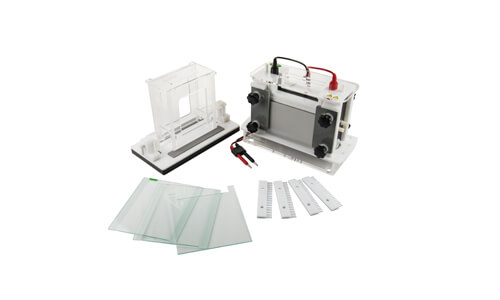
Interpreting Results and Reading Measurements with the YR402 Mini Electrophoresis
The YR402 Mini Electrophoresis is a vital tool in laboratories for separating nucleic acids or proteins, allowing researchers to analyze samples effectively. Understanding how to interpret the results and read measurements accurately is crucial for obtaining valid conclusions in experiments. This article will guide you through the essentials of operating the YR402, focusing on interpreting results and reading measurements.
Understanding the Principle of Electrophoresis
Electrophoresis is based on the principle of separating charged particles in a gel medium under the influence of an electric field. The speed at which particles migrate is primarily determined by their size and charge. For accurate reading of results, it is important to understand how these factors influence the separation process within the YR402.
The YR402 utilizes horizontal electrophoresis, which allows for a clear visual separation of samples. This design choice effectively minimizes diffusion and enhances resolution, making it easier to interpret results. Understanding the physical and chemical principles behind electrophoresis is essential for troubleshooting and optimizing experiments.
Technical Specifications of the YR402
| Model | Brand | Category | Subcategory | Price USD | Price EUR | Net Weight (kg) | Gross Weight (kg) | Dimensions (cm) | Package Dimensions (cm) |
|---|---|---|---|---|---|---|---|---|---|
| YR402 | Kalstein | Electrophoresis | Horizontal Electrophoresis | 160.00 | 0 | 1.5 | 2.5 | x x | 30 x 19 x 19 |
Interpreting Results from the YR402
Interpreting results from the YR402 involves analyzing the gel patterns obtained after electrophoresis. The resulting bands represent the separated molecules, and their position indicates their size and charge. It is crucial to compare the results against a DNA ladder or protein marker to ascertain molecular weights accurately.
Common misinterpretations include confusing the intensity of bands with concentration. More intense bands indicate more material but may not always correlate directly with the expected quantity. Understanding error bars and normal ranges for your specific application can help mitigate these risks.
Reading Measurements Correctly
The YR402 is equipped with a display that shows measurement data following the completion of electrophoresis. To read measurements correctly, familiarize yourself with the display format and the significance of displayed values. The gel documentation is equally important as it provides a permanent record of your results.
It is advisable to conduct control experiments to establish baseline readings for comparison. These controls are essential in validating your results, particularly in sensitive applications such as clinical diagnostics.
Common Measurement Errors and Solutions
| Error | Cause | Solution |
|---|---|---|
| Faint bands | Low sample concentration | Increase sample loading or optimize extraction methods |
| Smearing | Overloading the gel | Reduce sample volume and ensure proper gel preparation |
| Incorrect band sizes | Poor calibration with markers | Re-evaluate marker accuracy and repeat calibration |
Best Practices for Accurate Measurement
To ensure the most accurate results from the YR402, adhere to best practices throughout the electrophoresis process. Properly prepare gels, calibrate the equipment regularly, and always run controls alongside your samples. Documenting the process and results will help in troubleshooting and provide context for future experiments.
Be mindful of environmental conditions such as temperature and humidity, as these factors can affect the electrophoresis process. Maintaining a stable laboratory environment is essential for reproducibility.
Frequently Asked Questions
What are the optimal conditions for using the YR402 Mini Electrophoresis?
Optimal conditions include a stable temperature range (typically 20-25°C), low humidity to prevent gel degradation, and proper voltage settings according to the gel type and sample requirements. Regular calibration of the device is also necessary.
How do I interpret the band sizes obtained from the YR402?
Band sizes can be interpreted by comparing them to a standard DNA ladder or protein marker run on the same gel. The migration distance can be correlated with known sizes to estimate the molecular weights of the samples.
What troubleshooting steps should I take if I see smearing in my results?
Smearing often indicates overloading of the gel. To troubleshoot, reduce the sample volume and ensure proper gel preparation. Running a control sample can also help identify issues.
How can I ensure that my results are reproducible?
To ensure reproducibility, maintain consistent experimental conditions, calibrate regularly, and document all procedures and results thoroughly. Running multiple replicates and controls will also enhance reliability.
What types of samples are compatible with the YR402?
The YR402 is compatible with a variety of samples including DNA, RNA, and proteins. Ensure that the gel composition and running conditions are optimized for the specific type of sample you are analyzing.
How do I troubleshoot faint bands in my electrophoresis results?
Faint bands may indicate low sample concentration or improper gel preparation. To resolve this, try increasing the sample loading amount or optimize your extraction methods to improve sample quality.
What documentation is necessary for analyzing results from the YR402?
Documentation should include gel images, measurement data, and notes on experimental conditions. Keeping a detailed lab notebook will help in tracking changes over time and facilitate future experiments.
If you are looking for a fusion of innovation and quality, you have come to the right place. At Kalstein, we offer you the luxury of exploring our exclusive catalog of laboratory equipment. We manufacture every device to the highest standards of excellence. Our intuitive and seamless online purchasing channels are designed for your convenience, securing the most competitive prices. Hesitate no longer — we bring science to life, it is time to become part of our community.