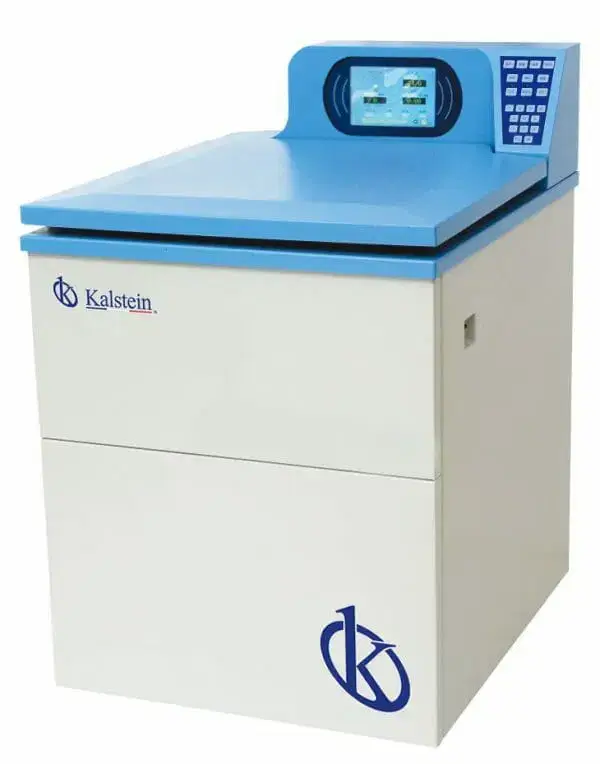
Interpreting Results and Reading Measurements with the YR0111-1-5 Centrifuge
The YR0111-1-5 centrifuge is a sophisticated laboratory instrument designed to efficiently separate samples based on density using centrifugal force. Properly interpreting results and reading measurements from this centrifuge is crucial for obtaining reliable data in various laboratory applications. This article delves into the intricacies of the YR0111-1-5, focusing on interpretation techniques, measurement accuracy, and best practices for laboratory operators.
Technical Specifications of the YR0111-1-5
| Model | Brand | Category | Price (USD) | Gross Weight (kg) |
|---|---|---|---|---|
| YR0111-1-5 | Kalstein | Centrifuges | 1910.00 | 22 |
Understanding the Principles of Operation
The YR0111-1-5 operates based on the principles of centrifugal force, which acts on samples placed in tubes in the rotor. When the rotor spins, denser materials within the samples move outward, while lighter components remain closer to the center. This separation is essential for numerous applications, including clinical diagnostics, biochemical research, and more.
To achieve an effective separation, it is important to understand the speed (RPM) and the radius of the rotor, as these factors influence the centrifugal force applied to the samples, ultimately affecting the accuracy of the results obtained.
Reading Measurements Accurately
Accurate readings from the YR0111-1-5 are vital for data integrity. Operators must familiarize themselves with the display interface to interpret results correctly. The centrifuge provides various metrics, including RPM, RCF (Relative Centrifugal Force), and time elapsed during the centrifugation process.
Operators should be aware of the normal ranges for RCF depending on the sample type. For instance, blood samples typically require a RCF of 2000-4000 x g for proper separation, while other biological samples may vary.
Common Misinterpretations of Results
One of the most frequent issues in laboratory operations is the misinterpretation of centrifuge results. Operators should pay close attention to the appearance of separated samples. For example, if a pellet is not visible post-centrifugation, it may indicate insufficient time, speed, or incorrect tube placement.
Another common error is assuming that all samples will behave similarly under the same conditions. Variances in sample composition can lead to different separation outcomes, and thus it's necessary to consult standard operating procedures (SOPs) and verify settings for each specific sample type.
Sector-Specific Applications of the YR0111-1-5
The YR0111-1-5 centrifuge is versatile and can be adapted for various sectors, including clinical, industrial, food, veterinary, and educational applications. Each sector utilizes the centrifuge uniquely based on specific requirements.
- Clinical: Often used for blood sample processing, ensuring accurate separation of plasma and cells.
- Industrial: Used in quality control processes to separate materials efficiently.
- Food: Employed in analyzing food components, ensuring safety and compliance with regulations.
- Veterinary: Used in diagnostic laboratories to analyze animal blood samples.
- Educational: A fundamental tool for teaching students about laboratory techniques and applications.
Best Practices for Operating the YR0111-1-5
To maximize the efficiency and accuracy of the YR0111-1-5, operators should adhere to best practices:
- Always calibrate the centrifuge before use to ensure accuracy.
- Follow the manufacturer's guidelines for sample loading and rotor balancing.
- Perform regular maintenance checks to identify any wear and tear.
- Document all results and operational conditions to track performance over time.
Frequently Asked Questions
What factors influence the interpretation of results from the YR0111-1-5?
The interpretation of results is influenced by factors such as RPM, RCF, sample type, and the time duration of centrifugation. Understanding these elements is crucial for accurate results.
How can I ensure the accuracy of measurements with the YR0111-1-5?
To ensure accuracy, regularly calibrate the centrifuge, use appropriate settings for each sample type, and confirm the balance of the rotor before operation.
What are the common errors when using the YR0111-1-5?
Common errors include misloading samples, incorrect speed settings, and failure to follow calibration protocols. Each of these can significantly affect the accuracy of results.
How does the YR0111-1-5 differ from other centrifuges?
The YR0111-1-5 features specific design aspects tailored for optimal separation efficiency, such as unique rotor configurations and advanced monitoring systems that are not available in all centrifuge models.
Can the YR0111-1-5 be used in various sectors?
Yes, the YR0111-1-5 is versatile and can be employed across multiple sectors, including clinical, industrial, food, veterinary, and educational applications.
What maintenance is required for the YR0111-1-5?
Regular maintenance includes cleaning the rotor, checking for any damage, ensuring that the centrifuge is properly calibrated, and replacing parts as necessary to ensure optimal operation.
How do I request a quote for the YR0111-1-5?
You can request a quote on the YR0111-1-5 by contacting our sales team directly through our inquiry form. We will provide you with competitive pricing and options tailored to your needs.
If you are looking for a fusion of innovation and quality, you have come to the right place. At Kalstein, we offer you the luxury of exploring our exclusive catalog of laboratory equipment. We manufacture every device to the highest standards of excellence. Our intuitive and seamless online purchasing channels are designed for your convenience, securing the most competitive prices. Hesitate no longer — we bring science to life, it is time to become part of our community.