Interpreting Results and Reading Measurements with the YR0111-4 Centrifuge
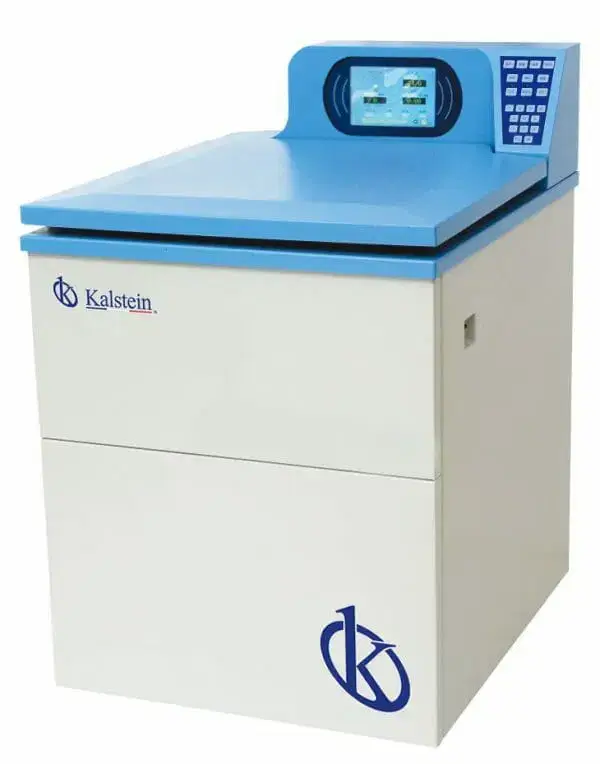
The YR0111-4 High-Speed Refrigerated Centrifuge is an advanced laboratory tool designed for precise and efficient phase separation. With a maximum speed of 21,000 rpm and a relative centrifugal force (RCF) of up to 50,400 x g, it is ideal for research, biotechnology, and clinical labs. This article will delve into how operators can effectively interpret results and read measurements from the YR0111-4, ensuring the accuracy of their laboratory processes.
Technical Specifications of the YR0111-4
| Specification | Details |
|---|---|
| Model | YR0111-4 |
| Maximum Speed | 21,000 rpm |
| Maximum RCF | 50,400 x g |
| Maximum Capacity | 500ml x 4 |
| Speed Precision | ± 50 rpm |
| Time Setting | 1 min – 99 h 59 min |
| Temperature Adjustment | -20°C to +40°C |
| Temperature Accuracy | ±1°C |
| Compressor Unit | Tecumseh French Compressor, R404a |
| Noise Level | <65db (A) |
| Power Supply | 110V / 60Hz, 220V/50Hz |
| Dimensions (L x W x H) | 710 x 840 x 1140 mm |
| Net Weight | 280 Kg |
Understanding Readings on the YR0111-4 Display
The YR0111-4 features an intuitive touch screen interface that displays critical metrics during operation. Key readings include the current speed (rpm), the elapsed time, the set temperature, and the RCF. Understanding these readings is crucial for interpreting the results of experiments accurately.
Operators should note that the RCF is particularly important for understanding the separation efficiency of the centrifuge. It represents the acceleration experienced by the samples and can impact the separation quality. Always cross-reference the RCF with the specifications of your samples to ensure optimal results.
Interpreting Centrifugation Results
Interpreting results from the YR0111-4 centrifuge should be done with careful attention to detail. The results will vary based on sample type, the used rotor, and the specific centrifugation conditions. For instance, biological samples may require different settings compared to chemical preparations.
To effectively interpret results, consider the following steps:
- Understand Sample Characteristics: Different samples will behave differently under centrifugal force. For example, blood samples require a specific RCF and time to achieve proper separation of components.
- Consult Protocols: Always refer to established laboratory protocols that describe the expected outcomes and necessary parameters for your specific samples when using the YR0111-4.
- Analyze Data Consistently: Use consistent methods when analyzing results to compare multiple runs effectively. This includes maintaining the same temperature adjustments and centrifugation times.
Common Errors in Measurements and Their Solutions
Despite the advanced technology of the YR0111-4, errors can occur during operation that may affect readings and results. Below are common issues faced by operators, their potential causes, and solutions:
| Symptom | Possible Cause | Solution |
|---|---|---|
| Inconsistent RCF readings | Incorrect rotor selection or misconfiguration | Verify rotor selection and settings. Ensure the rotor is compatible with the YR0111-4. |
| Sample leakage | Improperly sealed tubes | Check tube seals. Use appropriate tube caps for the rotor type. |
| Unstable temperature readings | Cooling system failure | Inspect the cooling system for faults. Regular maintenance may be required. |
Best Practices for Accurate Measurements
To ensure high-quality results with the YR0111-4, follow these best practices:
- Regular Calibration: Periodically calibrate the centrifuge to maintain accurate readings.
- Standard Operating Procedures (SOPs): Develop and follow SOPs tailored to the specific applications of the centrifuge.
- Data Logging: Maintain detailed records of all runs for future analysis and troubleshooting.
Frequently Asked Questions
How can I ensure the accuracy of my readings from the YR0111-4?
To ensure accuracy, calibrate your centrifuge regularly, use the appropriate rotors for your samples, and adhere to established protocols for sample preparation and operation.
What type of samples can the YR0111-4 handle effectively?
The YR0111-4 can effectively handle biological samples, chemical samples, and various other mixtures that require phase separation. Always refer to manufacturer guidelines for best practices.
How do I interpret the RCF values I obtain from the YR0111-4?
RCF values indicate the gravitational force applied to your samples during centrifugation. Consult standard values for your specific samples to determine if the RCF is sufficient for optimal separation.
What steps should I take if I encounter an error code on the YR0111-4?
Refer to the user manual for a list of error codes and their meanings. Generally, check for issues such as imbalance in the rotor or failure in the cooling system.
Can I modify the centrifuge settings for different types of samples?
Yes, the YR0111-4 allows you to customize settings such as speed, time, and temperature based on the specific requirements of your samples.
What maintenance checks are recommended for the YR0111-4?
Regular checks should include inspection of the cooling system, rotor condition, and ensuring that all seals are functioning properly to prevent leaks.
If you are looking for a fusion of innovation and quality, you have come to the right place. At Kalstein, we offer you the luxury of exploring our exclusive catalog of laboratory equipment. We manufacture every device to the highest standards of excellence. Our intuitive and seamless online purchasing channels are designed for your convenience, securing the most competitive prices. Hesitate no longer — we bring science to life, it is time to become part of our community.