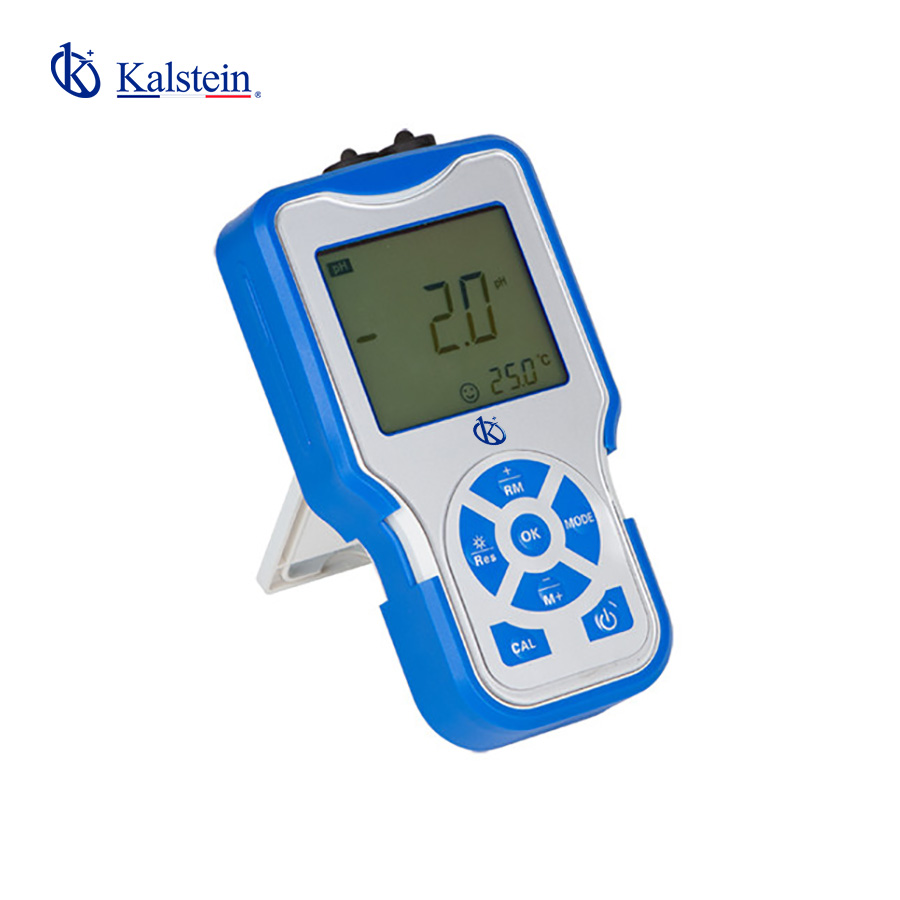
Interpreting Results and Measurement Readings with the YR01816 Portable pH/Ion Meter
The YR01816 portable pH/ion meter is a remarkable device designed for precise measurement and interpretation of pH and ion concentration levels. This article delves deep into the functionalities of the YR01816, emphasizing how operators can effectively interpret results and readings for accurate outcomes in various applications.
Understanding the YR01816: Key Features and Functionalities
The YR01816 model stands out due to its advanced design and multiple features tailored for accurate measurement. The device supports multiple calibration points ranging from 2 to 5, ensuring flexibility in measurement across different concentration levels. A backlit LCD display allows for easy reading of results, even in low-light conditions.
The pH mode of the YR01816 offers automatic calibration recognition for standard buffers, enhancing user-friendliness. Additionally, the ion mode simplifies the process of direct concentration measurement, which helps in accurate result interpretation.
Technical Data of the YR01816
| Specification | Details |
|---|---|
| Model | YR01816 |
| pH Range | -2.000 to 20.000 pH |
| Ion Concentration Range | 0.001 to 19999 (depending on ISE range) |
| Accuracy (pH) | ±0.002 pH |
| Accuracy (Ion) | ±0.5% FS (monovalent), ±1% FS (divalent) |
| Calibration Points | 1 to 5 points |
| Battery Life | Approximately 150 hours |
Interpreting Measurement Readings: Units and Ranges
To accurately interpret the results obtained from the YR01816, it is crucial to understand the units of measurement and their normal ranges. For pH measurements, the normal range typically lies between 0 and 14. Values below 7 indicate acidity, while values above 7 indicate alkalinity. The system's precision allows operators to identify slight variations in pH levels, which could be critical in certain applications.
For ion concentration, the device provides measurements in units such as ppm (parts per million), mg/L (milligrams per liter), and mol/L (moles per liter). Understanding these units helps in contextualizing the readings against regulatory standards or desired concentrations for specific applications.
Common Misinterpretations and Their Solutions
In using the YR01816, operators may encounter common misinterpretations of readings. For example, a pH reading significantly below 7 could be misread as being unsuitable for a particular process. However, depending on the application, low pH might be acceptable or even necessary.
To avoid misinterpretations, regularly calibrating the meter and understanding the context of the readings is essential. Operators should also familiarize themselves with the calibration buffers and ensure that the meter is calibrated correctly before taking measurements.
Practical Applications in Different Sectors
The versatility of the YR01816 allows it to be used across various sectors. In clinical laboratories, for instance, it can be employed to measure the pH of biological samples, where accuracy is paramount. In industrial settings, it can monitor the pH levels of wastewater to ensure compliance with environmental regulations.
In the food industry, the YR01816 can assist in determining the acidity of products, which is crucial for flavor and preservation. Additionally, educational institutions can utilize this device to teach students about the importance of pH in chemical reactions and biological processes.
Frequently Asked Questions
How do I calibrate the YR01816 portable pH/ion meter?
To calibrate the YR01816, first, ensure that the meter is clean and the electrode is properly maintained. Follow the device's instructions to select the calibration mode, insert it into the calibration buffer solutions, and allow the meter to recognize the standards. Repeat for the desired number of calibration points.
What should I do if I get inconsistent readings with the YR01816?
Inconsistent readings can be caused by several factors, including improper calibration, contamination of the electrode, or environmental conditions. First, re-calibrate the device and ensure the electrode is clean. Additionally, check for any external influences like electromagnetic interference that might affect the readings.
What is the battery life of the YR01816 and how can I extend it?
The YR01816 has an approximate battery life of 150 hours. To extend battery life, make sure to switch off the device when not in use and utilize the automatic shut-off feature that activates after a specified period without operation.
Can I use the YR01816 for both pH and ion concentration measurements simultaneously?
While the YR01816 can measure both pH and ion concentration, it cannot perform both measurements simultaneously. Users must switch between modes to obtain readings for pH or ion concentration as needed.
What types of buffers are compatible with the YR01816 for pH calibration?
The YR01816 is compatible with several buffer solutions, including standard buffers from the US, NIST, and DIN, as well as two custom buffers. It is essential to use appropriate buffers to ensure accurate calibration.
How can I maintain the YR01816 for accurate readings?
Regular maintenance of the YR01816 involves cleaning the electrode after each use, storing it properly, and replacing the electrode when necessary. Following the manufacturer's guidelines for maintenance will ensure the device remains in optimal condition for accurate readings.
If you are looking for a fusion of innovation and quality, you have come to the right place. At Kalstein, we offer you the luxury of exploring our exclusive catalog of laboratory equipment. We manufacture every device to the highest standards of excellence. Our intuitive and seamless online purchasing channels are designed for your convenience, securing the most competitive prices. Hesitate no longer — we bring science to life, it is time to become part of our community.