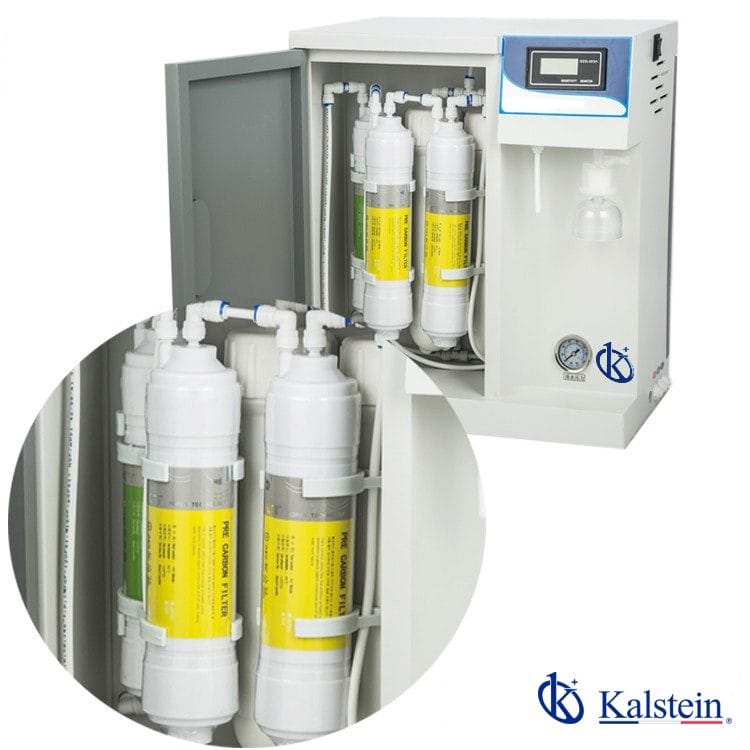
Interpreting Results and Readings from the YR57 Deionized Water System
The YR57 Deionized Water System is a sophisticated apparatus designed to provide ultra-pure water for various applications, including biochemical analysis and microbial culture preparation. Understanding how to accurately interpret the results and readings from the YR57 is crucial for ensuring precise outputs in laboratory settings. This guide delves into key aspects that laboratory operators must consider when using the YR57, ensuring the effective utilization of this equipment.
Technical Specifications of the YR57 Deionized Water System
| Model | YR57 |
|---|---|
| Feeding Water: Urban Tap Water | TDS < 200ppm, 5-45°C, 1.0-3.5Kg/cm² |
| Production | 15 L/H |
| Inorganic Ion Rejection | >96% |
| Organic Soluble Matter Rejection | >99% (molecular weight >100) |
| Particulate Matter Rejection Index | >99% |
| Microbial Retention Rate | >99% |
| RO Water Quality | TDS < 10 ppm * Total salt rejection over 95% |
| Power Supply | 220V 50Hz, 72-240W |
| Standard Configuration | Machine (with 1 set of consumable filters inside) + accessory package |
Understanding the Operation of the YR57
The YR57 operates based on advanced deionization techniques that remove ionic contaminants from water, ensuring high purity levels necessary for laboratory analyses. The deionization process involves passing water through a series of ion-exchange resins that effectively replace harmful ions with neutrally charged particles. This section will cover the physical and chemical principles that govern the operation of the YR57, including the significance of Total Dissolved Solids (TDS) in assessing water quality.
Typical laboratory standards for TDS should ideally be below 10 ppm for RO water produced by the YR57. This indicates that when the system is functioning correctly, the readings will show a significant reduction in ionic concentrations, crucial for applications demanding the highest purity.
Reading Measurements and Understanding Display Outputs
The YR57 features a large LCD display with LED backlighting that presents real-time data regarding the water production process. Operators must be familiar with interpreting the various indicators displayed, including water production rates, maintenance alerts, and quality status. This section will break down how to read these measurements accurately and what they signify for water quality.
For instance, if the display shows a TDS reading above the acceptable limit, it indicates a need for maintenance or potential issues with the filter cartridges. Understanding these readings helps prevent contamination events that could compromise experimental integrity.
Common Misinterpretations of YR57 Readings
Lab operators may encounter challenges in reading and interpreting measurements from the YR57. Common misinterpretations often arise from overlooking display details or misreading the significance of alerts. This section addresses potential pitfalls, such as confusing water flow rates with production quality metrics.
For example, if operators notice a decrease in the flow rate but a stable TDS reading, they may misinterpret this as a sign of proper function. However, it's essential to consider that the system may still be producing lower quality water, prompting the need for immediate checks on filter status and system function.
Interpreting Error Codes and Alarms
The YR57 is equipped with a diagnostic system that alerts users to operational issues, such as error codes displayed during use. Each code corresponds to specific problems, enabling operators to troubleshoot effectively. In this section, we will outline common error codes associated with the YR57 and provide a guide on interpreting these codes.
| Error Code | Description | Recommended Action |
|---|---|---|
| E-01 | Low water level | Check water supply; refill if necessary |
| E-02 | High TDS level | Inspect filter cartridges for replacement |
| E-03 | System malfunction | Contact service provider for diagnostic check |
Maintenance and Calibration for Accurate Readings
To ensure that the YR57 provides consistent and accurate water quality readings, regular maintenance and calibration are essential. This section will detail best practices for maintaining the YR57, including how to replace filter cartridges, clean the system, and perform routine checks to ensure optimal function.
Calibration should be performed periodically to verify the accuracy of TDS readings. Operators should keep a log of calibration checks and filter replacements, as this information can help track the system's performance over time.
Frequently Asked Questions
How often should I check the TDS readings on the YR57?
It is recommended to check the TDS readings daily to ensure that the system is performing correctly. If the readings consistently show values above 10 ppm, it may indicate that the filters need replacing or that the system requires maintenance.
What should I do if I receive an error code on the YR57?
Refer to the user manual to identify the specific error code and follow the recommended actions outlined. If the issue persists, consider contacting customer support for assistance.
Can the YR57 be used for different applications?
Yes, the YR57 is versatile and can be used for a variety of applications, including chemical reagent preparation, microbial culture media, and other processes requiring ultra-pure water.
What is the expected lifespan of the filter cartridges used in the YR57?
Filter cartridges typically require replacement every 6 to 12 months, depending on usage frequency and water quality. Regular checks should be conducted to determine if early replacement is necessary.
How can I ensure the accuracy of the water quality measurements?
Regular maintenance and calibration of the YR57 are essential. Ensure filters are replaced on schedule and perform routine checks to validate the system's performance.
What types of water can be fed into the YR57?
The YR57 is designed to accept urban tap water with TDS levels below 200 ppm, making it suitable for use in most laboratory settings.
How do I maintain the YR57 for optimal performance?
Regularly inspect and replace filter cartridges, clean the system according to the manufacturer's instructions, and perform calibration checks to maintain optimal performance.
If you are looking for a fusion of innovation and quality, you have come to the right place. At Kalstein, we offer you the luxury of exploring our exclusive catalog of laboratory equipment. We manufacture every device to the highest standards of excellence. Our intuitive and seamless online purchasing channels are designed for your convenience, securing the most competitive prices. Hesitate no longer — we bring science to life, it is time to become part of our community.