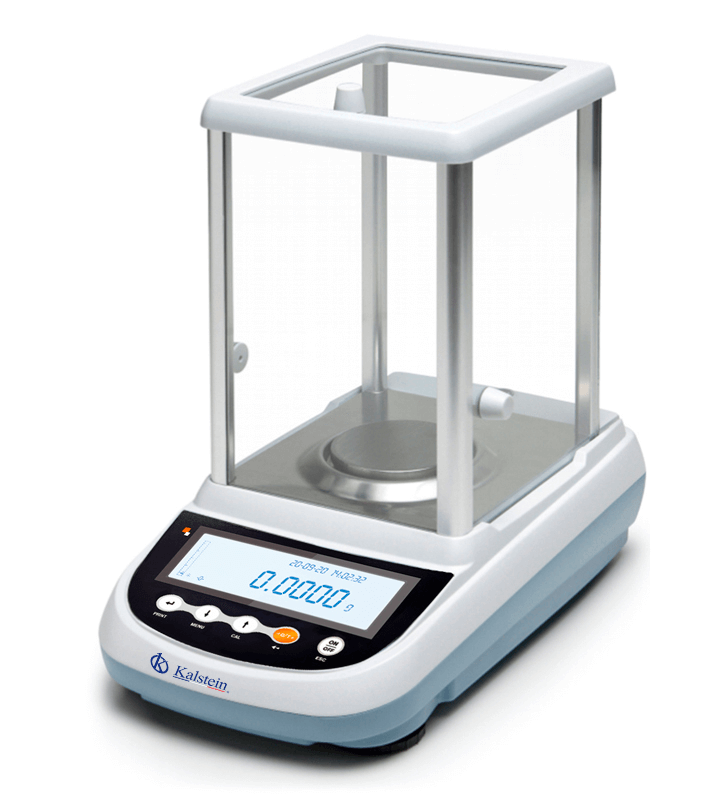
How to Ensure ISO/IEC Compliance with Analytical Balances in the Laboratory
In laboratory settings, ensuring compliance with ISO/IEC standards is essential for maintaining quality and accuracy in measurements. Analytical balances play a critical role in this process. This article explores various models of analytical balances, their features, and how they align with ISO/IEC regulations to help laboratory professionals make informed decisions.
Understanding ISO/IEC Standards Relevant to Analytical Balances
ISO/IEC standards provide guidelines and requirements for laboratory operations, ensuring that measurements are reliable and reproducible. Key standards include ISO 17025, which focuses on the competence of testing and calibration laboratories, and IEC 61010, which specifies safety requirements for electrical equipment in laboratories. Compliance helps laboratories demonstrate their commitment to quality and reliability in their operations.
ISO 17025
ISO 17025 outlines the criteria for laboratories to demonstrate their technical competence. Analytical balances must meet specific requirements for calibration, traceability, and quality assurance. This standard emphasizes the importance of maintaining accurate measurements, thereby ensuring that the analytical results are valid and can be trusted.
IEC 61010
IEC 61010 details safety requirements for equipment used in laboratories, including analytical balances. Compliance ensures that the equipment is safe to use, protecting both operators and the integrity of the experimental results. Balances equipped with features such as overload protection and automatic calibration functions are essential for meeting these safety standards.
Key Features of Analytical Balances for Compliance
When selecting analytical balances, it is crucial to consider features that support compliance with ISO/IEC standards. These include automatic calibration, high sensitivity, and environmental stability to minimize measurement variability.
Automatic Calibration
Automatic calibration features, such as those found in the YR05568 and YR05569 models, ensure that measurements remain accurate over time and under varying environmental conditions. This feature is vital for meeting the calibration requirements of ISO 17025.
Environmental Stability
Analytical balances like the YR05570 and YR05571 are designed with built-in shields to minimize the influence of air currents and vibrations, which can affect measurement accuracy. Ensuring stable operating conditions helps laboratories comply with accuracy requirements outlined in ISO/IEC standards.
Comparison of Available Models
| Model | ISO/IEC Clauses Covered | Traceability Features | Best For |
|---|---|---|---|
| YR05568 | ISO 17025, IEC 61010 | Automatic internal calibration | General laboratory use |
| YR05569 | ISO 17025, IEC 61010 | Automatic internal calibration | High-precision applications |
| YR05570 | ISO 17025, IEC 61010 | Automatic internal calibration | Pharmaceutical labs |
| YR05571 | ISO 17025, IEC 61010 | Automatic internal calibration | Chemical analysis |
| YR05572 | ISO 17025, IEC 61010 | Automatic internal calibration | Environmental testing |
| YR05573 | ISO 17025, IEC 61010 | Internal calibration option | Jewelry analysis |
Common Mistakes and How to Avoid Them
Laboratories often face challenges in maintaining ISO/IEC compliance with their analytical balances. Common mistakes include neglecting regular calibration, failure to document procedures, and using outdated models that do not meet current standards.
Neglecting Calibration
One of the most frequent errors is not performing regular calibration checks. Lab managers should implement a strict schedule for calibration according to ISO 17025 standards, ensuring that balances such as the YR05568 and YR05570 are consistently accurate.
Inadequate Documentation
Failing to document calibration and maintenance records can lead to compliance issues. Laboratories should maintain detailed logs for each analytical balance, including the calibration dates, methods used, and results, as required by ISO standards.
Frequently Asked Questions
How does ISO 17025 affect the choice of analytical balances such as YR05568?
ISO 17025 affects analytical balance selection by requiring models, like the YR05568, to have features that ensure accuracy and traceability. This standard mandates automatic calibration and compliance with specified measurement uncertainties, making it essential for reliable laboratory operations.
Which IEC standards should my analytical balance comply with for laboratory safety?
Your analytical balance must comply with IEC 61010 to ensure laboratory safety. This standard outlines safety requirements, including overload protection, which models like the YR05571 provide, ensuring safe operation during various lab procedures.
What are the main benefits of using the YR05570 analytical balance in compliance labs?
The YR05570 provides high sensitivity and automatic calibration, making it ideal for compliance labs. It meets ISO 17025 requirements, ensuring accurate measurements crucial for regulatory compliance and quality assurance in laboratory settings.
How can I ensure traceability with my analytical balances?
To ensure traceability, choose analytical balances like the YR05572 that feature automatic calibration. This ensures compliance with ISO standards, maintaining measurement integrity and reliability essential for quality control processes.
What is the significance of environmental stability in analytical balances?
Environmental stability is crucial for minimizing measurement variability. Models like the YR05569 are designed with protective features that reduce the impact of external factors, ensuring compliance with ISO standards for accurate and reliable measurements.
How often should my analytical balance be calibrated to meet ISO standards?
Calibration frequency depends on usage but should comply with ISO 17025 guidelines. Regular checks, ideally before daily use, are essential for maintaining accuracy in models like the YR05568, ensuring compliance and reliable laboratory operations.
Which features should I prioritize in an analytical balance for compliance?
Prioritize automatic calibration, high resolution, and environmental stability in your analytical balance. Models such as the YR05571 incorporate these features, supporting adherence to ISO/IEC standards and ensuring high-quality measurement results.
How can I select the right analytical balance for my laboratory's needs?
Select an analytical balance based on features that align with your laboratory's specific requirements. Consider models like the YR05570 for high-precision tasks, ensuring compliance with ISO 17025 and IEC 61010 standards.
If you are looking for a fusion of innovation and quality, you have come to the right place. At Kalstein, we offer you the luxury of exploring our exclusive catalog of laboratory equipment. We manufacture every device to the highest standards of excellence. Our intuitive and seamless online purchasing channels are designed for your convenience, securing the most competitive prices. Hesitate no longer — we bring science to life, it is time to become part of our community.