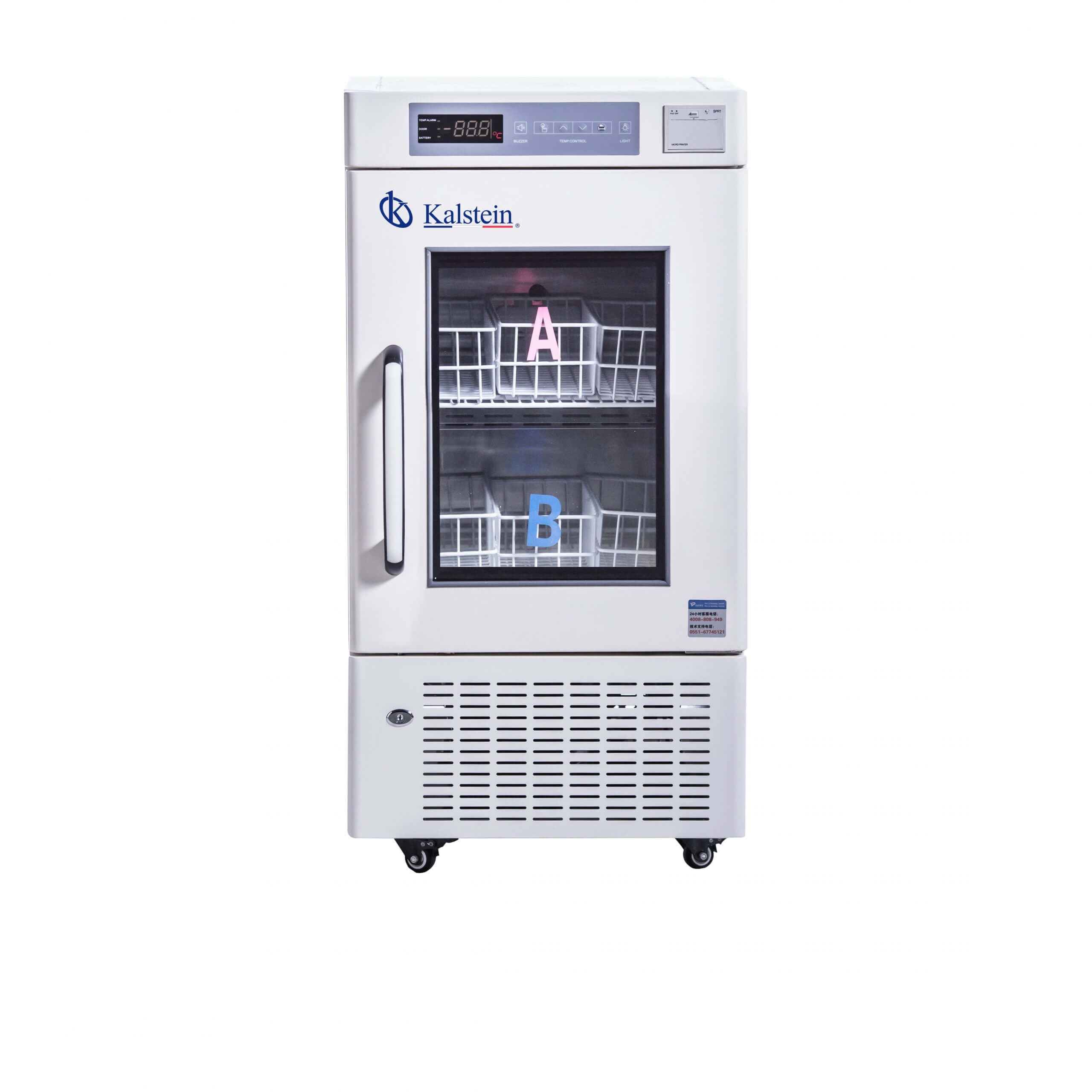
How to Ensure ISO/IEC Compliance with Blood Bank Refrigerators
The critical role of blood bank refrigerators in healthcare and regulatory compliance cannot be overstated. These specialized units are designed to preserve blood and biological products at controlled temperatures, ensuring their integrity and safety. Compliance with ISO/IEC standards is essential for laboratories to maintain quality assurance and patient safety.
Understanding ISO/IEC Standards Relevant to Blood Bank Refrigerators
In the realm of laboratory equipment, specific ISO/IEC standards govern operational protocols. ISO 17025 outlines the general requirements for the competence of testing and calibration laboratories, while IEC 61010 focuses on the safety requirements for electrical equipment. Both are pivotal in establishing protocols for blood bank refrigerators, ensuring they meet the necessary performance and safety criteria required for clinical and laboratory environments.
Key ISO/IEC Clauses for Blood Bank Refrigerators
Blood bank refrigerators must adhere to various clauses of ISO/IEC standards. For instance, ISO 17025 emphasizes calibration, traceability, and documentation, which ensures that temperature control systems in models like the YR05091 and YR05092 are regularly monitored and validated. Compliance with these standards mitigates risks associated with blood storage and management.
Benefits of Compliant Blood Bank Refrigerators
Implementing ISO/IEC compliant blood bank refrigerators, such as the YR05094 and YR05292, enhances reliability and effectiveness in blood storage. These models are equipped with advanced temperature control and monitoring systems, which are crucial for maintaining optimal conditions. Adhering to these standards not only protects patient safety but also improves lab operations by fostering trust and credibility.
Technical Comparison of Blood Bank Refrigerators
Choosing the right blood bank refrigerator involves understanding the technical specifications and how they align with ISO/IEC compliance. Below is a comparison of popular models:
| Model | ISO/IEC Clauses Covered | Traceability Features | Best For |
|---|---|---|---|
| YR05091 | ISO 17025, IEC 61010 | Digital temperature monitoring | Small to medium blood banks |
| YR05092 | ISO 17025 | High-tech sensors | Hospitals and clinics |
| YR05094 | ISO 17025, IEC 61010 | Comprehensive alarm systems | Large blood banks |
| YR05292 | ISO 17025, IEC 61010 | Integrated monitoring systems | High-volume storage |
Common Mistakes and How to Avoid Them
Laboratories often face challenges in ensuring compliance with ISO/IEC standards. Common mistakes include inadequate documentation and failure to regularly calibrate equipment. By establishing a schedule for regular audits and using compliant models like the YR05098, labs can avoid these pitfalls and enhance their operational efficiency.
Frequently Asked Questions
How can I verify if my blood bank refrigerator meets ISO 17025 standards?
To ensure your blood bank refrigerator, such as the YR05091, meets ISO 17025 standards, regularly check calibration records and maintenance logs. Ensure that the temperature monitoring systems are compliant and that documentation is up-to-date.
What are the energy consumption specifications for compliant blood bank refrigerators?
The YR05092 model, for instance, has an energy consumption of 2.22 kWh per day, which is crucial for maintaining operational efficiency while adhering to ISO standards. Monitor energy usage to ensure it remains within recommended thresholds.
How often should I calibrate my blood bank refrigerator for compliance?
Regular calibration of your blood bank refrigerator, like the YR05094, should be performed at least annually. This frequency ensures compliance with ISO 17025 requirements and maintains the integrity of stored blood products.
Which temperature monitoring features should a compliant blood bank refrigerator have?
A compliant model, such as the YR05292, should include integrated high-tech sensors for real-time temperature monitoring and alarm systems for deviations. This ensures adherence to ISO standards and maintains product safety.
What temperature range is required for compliant blood bank refrigerators?
ISO standards specify that blood bank refrigerators must maintain a temperature range of 2–6°C. Models like the YR05098 effectively maintain this range, ensuring compliance with safety protocols.
How do I document compliance for audits in blood bank operations?
Documentation should include calibration records, maintenance logs, and temperature monitoring data. Using compliant refrigerators like the YR05092 aids in maintaining accurate records for audits and regulatory inspections.
What is the best model for high-volume blood storage complying with ISO standards?
For high-volume blood storage, the YR05292 is an excellent choice. It offers a robust design and complies with ISO 17025 standards, making it suitable for large-scale operations.
How can I optimize the use of my blood bank refrigerator for regulatory compliance?
Regular maintenance, calibration, and staff training on compliance protocols are essential. Models like the YR05094 come with features that support these practices effectively, ensuring ongoing regulatory compliance.
If you are looking for a fusion of innovation and quality, you have come to the right place. At Kalstein, we offer you the luxury of exploring our exclusive catalog of laboratory equipment. We manufacture every device to the highest standards of excellence. Our intuitive and seamless online purchasing channels are designed for your convenience, securing the most competitive prices. Hesitate no longer — we bring science to life, it is time to become part of our community.