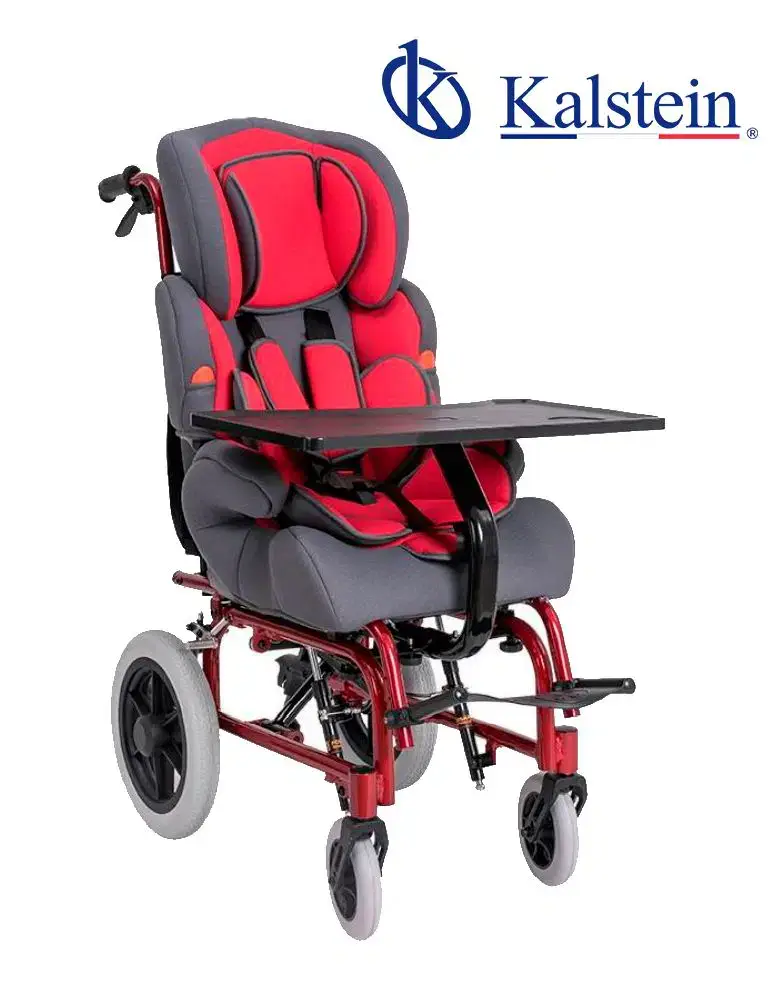
Ensuring ISO/IEC Compliance in Children Wheelchairs: A Comprehensive Guide
When it comes to providing mobility solutions for children with disabilities, the importance of adhering to ISO/IEC standards cannot be overstated. Compliance not only ensures safety and reliability in the design and manufacture of children wheelchairs but also aligns with regulatory frameworks that govern medical devices. This article aims to delve into the specific ISO/IEC standards relevant to children wheelchairs, the implications of compliance on laboratory practices, and a comparison of available models.
Understanding ISO/IEC Standards in Children Wheelchairs
ISO/IEC standards provide guidelines that ensure the safety, quality, and efficacy of medical devices. For children wheelchairs, several standards are particularly relevant:
- ISO 7176: This series of standards covers the requirements and test methods for wheelchairs.
- ISO 13485: Focuses on quality management systems specific to medical devices.
- IEC 60601: Pertains to the safety and effectiveness of medical electrical equipment.
Compliance with these standards enhances the reliability of children wheelchairs and ensures they are fit for purpose, thus safeguarding the health and safety of users.
Comparison of Available Models
| Model | ISO/IEC Clauses Covered | Traceability Features | Best For |
|---|---|---|---|
| YR05459 | ISO 7176, ISO 13485 | Comprehensive documentation and labeling | General mobility needs |
| YR05460 | ISO 7176, IEC 60601 | Barcode scanning for traceability | Users requiring adjustable features |
| YR05457 | ISO 13485, ISO 7176 | Serial numbers for tracking | Children with moderate mobility challenges |
| YR05458 | ISO 7176, IEC 60601 | Labeling for user safety | Active children needing robust support |
| YR06611 | ISO 13485, ISO 7176 | Detailed maintenance records | Children with cerebral palsy |
Key ISO/IEC Norms and Their Requirements
Each ISO/IEC standard outlines specific requirements that children wheelchair manufacturers must meet. For example, ISO 7176 details performance and safety requirements for wheelchairs, including stability, strength, and safety features such as brakes and seatbelts. Meeting these standards is crucial for manufacturers not only to comply with regulatory demands but also to ensure the safety and comfort of users.
Documentation Requirements for Compliance
Documentation plays a vital role in demonstrating compliance with ISO/IEC standards. This includes maintaining records of design and manufacturing processes, safety testing results, and quality management system audits. For instance, for the model YR05460, maintaining detailed production logs and test results is essential for compliance with ISO 13485.
Traceability in Children Wheelchairs
Traceability ensures that each wheelchair can be tracked throughout its lifecycle. This involves implementing unique identifiers such as serial numbers or barcodes on each model, which help in recalling products if safety issues arise. Models like YR05457 utilize serial numbers as a traceability feature, facilitating easier tracking and accountability.
Integrating Compliance in Lab Settings
Laboratories that utilize children wheelchairs must understand how these devices align with ISO/IEC compliance frameworks. This includes using standardized protocols for testing and maintenance, ensuring that every wheelchair meets the necessary criteria for safety and effectiveness. Incorporating these compliance practices helps laboratories uphold the highest standards of care.
Common Mistakes and How to Avoid Them
In the quest for compliance with ISO/IEC standards in children wheelchairs, several common pitfalls can occur. One such mistake is inadequate documentation of compliance processes. To avoid this, maintain comprehensive records of all testing and quality assurance activities associated with each model. Another mistake is neglecting training personnel on compliance requirements. Regular training sessions can help ensure that all team members understand their roles in maintaining compliance.
Frequently Asked Questions
What are the ISO standards applicable to children wheelchairs in 2026?
ISO 7176, ISO 13485, and IEC 60601 are among the key standards applicable to children wheelchairs in 2026. Compliance with these standards ensures that products like the YR05459 meet essential safety and performance requirements for users.
How does the YR06611 model comply with ISO standards for wheelchairs?
The YR06611 model complies with ISO 13485 and ISO 7176, ensuring it meets safety and quality management system requirements. This compliance is crucial for children with cerebral palsy who rely on reliable mobility solutions.
Which features enhance the traceability of children wheelchairs?
Models like YR05460 enhance traceability through unique identifiers and barcode scanning capabilities, which help track products throughout their lifecycle and ensure accountability in compliance.
What documentation is necessary for ISO compliance in wheelchair manufacturing?
Manufacturers must maintain detailed records of design processes, testing results, and quality management audits to ensure compliance with ISO standards like ISO 13485, crucial for models such as YR05457.
How can laboratories ensure compliance with ISO/IEC standards when using children wheelchairs?
Laboratories can ensure compliance by implementing standardized protocols for the use and maintenance of wheelchairs, such as the YR05458, to meet ISO/IEC safety and performance criteria.
What are the benefits of using ISO-compliant children wheelchairs?
Using ISO-compliant children wheelchairs, like the YR06611, ensures safety, reliability, and enhanced mobility for children with disabilities, meeting essential standards that protect users.
Which children wheelchair models are best for moderate mobility challenges?
The YR05457 model is particularly suitable for children with moderate mobility challenges, as it complies with ISO 13485 and ISO 7176, ensuring safety and performance.
How do traceability features impact regulatory compliance in children wheelchairs?
Traceability features, such as those in the YR05460 model, facilitate compliance with regulatory standards by tracking products throughout their lifecycle, enhancing accountability and safety for users.
If you are looking for a fusion of innovation and quality, you have come to the right place. At Kalstein, we offer you the luxury of exploring our exclusive catalog of laboratory equipment. We manufacture every device to the highest standards of excellence. Our intuitive and seamless online purchasing channels are designed for your convenience, securing the most competitive prices. Hesitate no longer — we bring science to life, it is time to become part of our community.