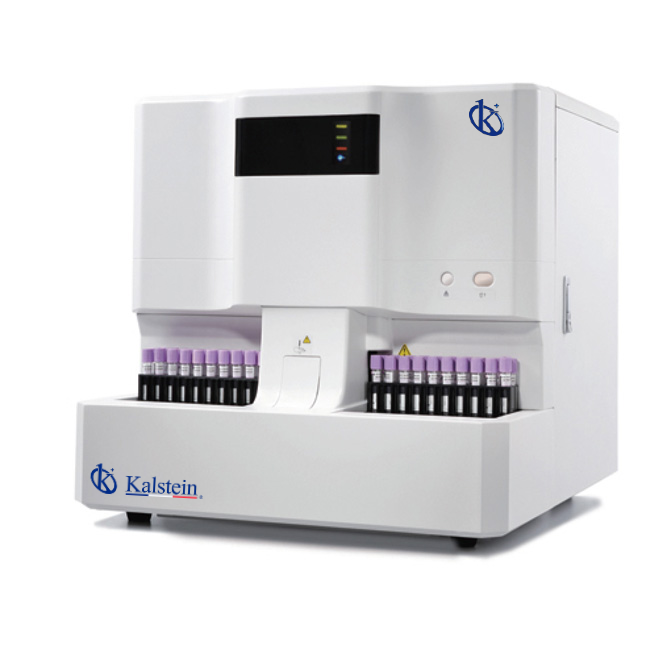
Navigating ISO/IEC Compliance in Hematology Analyzers: Essential Insights
As healthcare regulatory frameworks evolve, laboratories face increasing demands for compliance with ISO and IEC standards, particularly in the context of hematology analyzers. Understanding these regulations is crucial for laboratory professionals to ensure accuracy, reliability, and the highest quality of care. This article will delve into how various hematology analyzers meet these standards, their specific features, and the implications of these regulations on laboratory operations.
Understanding ISO/IEC Standards in Hematology
ISO/IEC standards set forth guidelines that laboratories must follow to ensure the reliability and accuracy of test results. For hematology analyzers, important standards include ISO 17025, which focuses on the competence of testing and calibration laboratories, and ISO 15189, which sets quality management requirements specific to medical laboratories. Compliance with these standards not only enhances the quality of test results but also ensures that laboratories can effectively navigate regulatory audits.
ISO 17025: Key Requirements for Hematology Analyzers
ISO 17025 specifies requirements for the competence of testing and calibration laboratories. Hematology analyzers such as the YR06080 and YR05123 demonstrate compliance through their advanced testing capabilities. These models provide comprehensive quality control measures and traceability features, which are essential for meeting ISO 17025 requirements. For instance, the YR06080 incorporates a fully integrated titanium incubation system and laser dispersion technology, ensuring accurate results across 28 parameters and enhancing the reliability of test outcomes.
ISO 15189: The Quality Management Standard
ISO 15189 focuses on quality management systems and the competence of medical laboratories. It entails a systematic approach to quality management, including documentation, internal audits, and continuous improvement. Hematology analyzers like the YR05122-1 not only support high-throughput testing at 60 samples per hour but also feature extensive sample storage and sophisticated data management systems, aligning perfectly with ISO 15189's requirements for documentation and traceability.
IEC 61010: Safety Standards for Laboratory Equipment
IEC 61010 provides safety requirements for electrical equipment used in laboratories. Compliance with this standard ensures that hematology analyzers are safe to operate under intended conditions. Models such as the YR05122 and YR05121 possess built-in safety features, including automated calibration and maintenance alerts, which minimize risks and enhance user safety, thereby fulfilling IEC 61010 criteria.
Implementing an Audit Checklist for Compliance
Conducting regular audits is vital for ensuring compliance with ISO/IEC standards in hematology analyzers. An effective audit checklist should include monitoring calibration records, validating test results, and reviewing quality control data. The integration of models like the YR05120 in laboratory workflows can streamline this process, as it offers real-time monitoring and reporting features that facilitate seamless compliance tracking.
Documentation Requirements for Compliance
Thorough documentation is a backbone of compliance with both ISO 17025 and ISO 15189. Laboratories must maintain detailed records of methodologies, calibration, maintenance, and quality control activities. The sophisticated data management capabilities of the YR05122-1, including its ability to store 100,000 samples, allow for effective data retrieval and analysis, ensuring that laboratories can meet stringent documentation requirements effortlessly.
Best Practices for Traceability in Hematology Analyzers
Traceability is critical in laboratory settings to ensure the credibility of test results. Hematology analyzers should be capable of tracking sample origins and processing history. The YR06080 and YR05122 excel in this area by incorporating barcode scanning technology and comprehensive sample tracking systems, thereby enhancing traceability and compliance with regulatory standards.
Comparison of Available Models
| Model | ISO/IEC Clauses Covered | Traceability Features | Best For |
|---|---|---|---|
| YR06080 | ISO 17025, ISO 15189, IEC 61010 | Integrated barcode scanning | High demand laboratories |
| YR05123 | ISO 17025, ISO 15189 | Comprehensive quality control | General use |
| YR05122-1 | ISO 15189 | 100,000 sample storage | Research environments |
| YR05122 | ISO 17025 | Automated calibration | Small to medium labs |
| YR05121 | ISO 15189 | Real-time monitoring | Routine testing |
| YR05120 | IEC 61010 | Data management system | Quality assurance |
Common Mistakes and How to Avoid Them
Many laboratories struggle with compliance due to common pitfalls such as inadequate training, poor documentation practices, and neglecting calibration schedules. To avoid these mistakes, it is essential to implement comprehensive training programs focused on the operation of hematology analyzers. Regular audits and a robust document management system can also prevent lapses in compliance. Leveraging models like the YR05123 that provide automated reporting features can greatly enhance adherence to regulatory requirements.
Frequently Asked Questions
What are the ISO 17025 compliance requirements for hematology analyzers?
ISO 17025 requires laboratories to demonstrate competence in testing and calibration. Hematology analyzers like the YR06080 fulfill these requirements with extensive quality control measures, ensuring reliable results across multiple parameters.
How can I ensure traceability with my hematology analyzer?
To ensure traceability, select hematology analyzers like the YR05122 that utilize integrated barcode scanning technology, which tracks sample origins and processing history effectively.
Which hematology analyzer is best for complying with ISO 15189?
The YR05122-1 is an excellent choice for compliance with ISO 15189, offering features such as high-throughput processing and comprehensive documentation capabilities to meet quality management standards.
How does IEC 61010 impact the safety of hematology analyzers?
IEC 61010 outlines safety requirements for laboratory equipment. Hematology analyzers like the YR05121 are designed with built-in safety features to minimize operational risks, ensuring compliance with these safety standards.
What common documentation requirements should I follow for compliance?
Documentation requirements include maintaining calibration records, quality control data, and operational logs. Models like the YR06080 facilitate this process with extensive data management capabilities.
Which features should I prioritize for efficient compliance audits?
Prioritize features like automated calibration, real-time monitoring, and comprehensive reporting. The YR05123 offers such capabilities, streamlining the audit process significantly.
How often should calibration be performed on hematology analyzers?
Calibration should be performed regularly, ideally before each use or according to a defined schedule. Models like the YR05120 provide reminders and automated calibration checks to maintain compliance.
What are the benefits of choosing ISO compliant hematology analyzers?
ISO compliant hematology analyzers, such as the YR05122-1, enhance the accuracy and reliability of test results, improve regulatory adherence, and ultimately contribute to better patient care outcomes.
If you are looking for a fusion of innovation and quality, you have come to the right place. At Kalstein, we offer you the luxury of exploring our exclusive catalog of laboratory equipment. We manufacture every device to the highest standards of excellence. Our intuitive and seamless online purchasing channels are designed for your convenience, securing the most competitive prices. Hesitate no longer — we bring science to life, it is time to become part of our community.