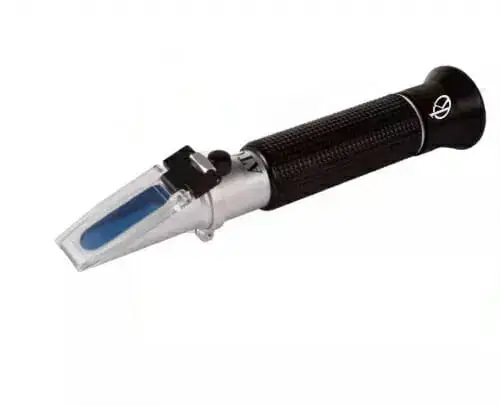
ISO/IEC Compliance and Regulatory Standards for Salinity Refractometers
Salinity refractometers are essential instruments in various laboratories, particularly in marine biology, aquaculture, and water quality testing. Their role in measuring the concentration of salt in water is governed by strict regulatory standards under ISO/IEC norms. This article will delve into key norms affecting the use and calibration of salinity refractometers, specifically focusing on compliance requirements, operational standards, and recommendations for effective laboratory practices.
Understanding ISO/IEC Standards for Laboratory Equipment
ISO/IEC standards provide a framework for ensuring quality and reliability in laboratory equipment. For salinity refractometers, adhering to ISO/IEC 17025 is crucial. This standard outlines the requirements for the competence of testing and calibration laboratories, ensuring that equipment is calibrated, maintained, and operated correctly. Compliance with these standards not only enhances the credibility of the measurements but also affirms the laboratory's commitment to quality assurance.
Importance of Calibration and Traceability
Calibration is a vital process for ensuring the accuracy of salinity refractometers. ISO/IEC 17025 emphasizes the importance of traceability to national or international standards. This means that every measurement taken by refractometers must be traceable to recognized benchmarks. Regular calibration against known standards is essential for maintaining compliance and ensuring that results are reliable.
Comparison of Available Models
| Model Code | ISO/IEC Clauses Covered | Traceability Features | Best For |
|---|---|---|---|
| YR05887 | ISO/IEC 17025 | Internal Calibration Protocols | Marine Biology Labs |
| YR05888 | ISO/IEC 17025 | External Calibration Support | Aquaculture |
| YR05913 | ISO/IEC 17025 | Traceable Calibration Records | Water Quality Testing |
| YR05914 | ISO/IEC 17025 | Automated Calibration Alerts | Research Laboratories |
Audit Checklists for Compliance
To ensure compliance with ISO/IEC standards, laboratories should utilize audit checklists. These checklists help in assessing the adherence to calibration schedules, documentation practices, and equipment maintenance protocols. Key items to include are:
- Verification of calibration records for each salinity refractometer.
- Documentation of maintenance and operational procedures.
- Assessment of training programs for staff using the refractometers.
Common Mistakes and How to Avoid Them
When working with salinity refractometers, laboratories often fall into several common traps that can jeopardize compliance. To avoid these pitfalls:
- Ensure routine calibration is performed and documented.
- Train staff thoroughly on proper usage and maintenance protocols.
- Keep records updated for every measurement taken.
Best Practices for Operating Salinity Refractometers
To optimize the performance of salinity refractometers in compliance with ISO/IEC standards, consider the following best practices:
- Regularly schedule calibration checks based on usage frequency.
- Utilize standard operating procedures (SOPs) for measurements.
- Implement a quality control program to routinely check the accuracy of measurements.
Cost-Benefit Analysis of Salinity Refractometers
Understanding the financial implications of using salinity refractometers can guide laboratory managers in making informed decisions. An analysis of the total cost of ownership should include:
| Model Code | Initial Cost (USD) | Annual Maintenance Cost (USD) | Calibration Cost (USD) |
|---|---|---|---|
| YR05887 | 9.50 | 200 | 150 |
| YR05888 | 9.50 | 200 | 150 |
| YR05913 | 9.50 | 200 | 150 |
| YR05914 | 9.50 | 200 | 150 |
Frequently Asked Questions
What are the ISO/IEC compliance requirements for salinity refractometers?
The ISO/IEC compliance requirements for salinity refractometers, such as the YR05887, include adherence to ISO/IEC 17025 standards for calibration and testing. This ensures that laboratories maintain high-quality measurement practices and traceability.
How often should salinity refractometers be calibrated according to ISO standards?
Salinity refractometers like the YR05914 should be calibrated at least once a year or more frequently based on usage intensity to comply with ISO/IEC 17025 requirements. Regular calibration ensures accurate and reliable measurements.
Which model provides the best traceability features?
The YR05913 salinity refractometer offers robust traceability features, including detailed calibration records, making it ideal for laboratories that prioritize compliance with ISO/IEC 17025 standards.
How can I ensure quality control in my laboratory using salinity refractometers?
Implementing a quality control program with regular checks on models like YR05888 can help maintain compliance with ISO/IEC standards. Regular training and adherence to SOPs are essential for quality assurance.
What is the cost-effectiveness of using salinity refractometers in compliance programs?
Salinity refractometers, including the YR05914, are cost-effective tools for compliance programs, with low initial costs and manageable annual maintenance expenses, ensuring a good return on investment.
What are the key operational standards for using salinity refractometers?
Key operational standards for salinity refractometers like the YR05887 involve following ISO/IEC 17025 guidelines, ensuring accurate calibration, and maintaining thorough documentation of all measurements and procedures.
How can laboratories maintain ISO/IEC compliance with refractometers?
To maintain ISO/IEC compliance with salinity refractometers, laboratories should schedule regular calibrations, keep detailed maintenance records, and ensure that all staff are trained on compliance protocols.
What are the benefits of using automated calibration alerts with salinity refractometers?
Using models like the YR05914 with automated calibration alerts helps laboratories adhere to ISO/IEC standards efficiently by ensuring timely calibration and reducing the risk of measurement inaccuracies.
If you are looking for a fusion of innovation and quality, you have come to the right place. At Kalstein, we offer you the luxury of exploring our exclusive catalog of laboratory equipment. We manufacture every device to the highest standards of excellence. Our intuitive and seamless online purchasing channels are designed for your convenience, securing the most competitive prices. Hesitate no longer — we bring science to life, it is time to become part of our community.