How to Ensure ISO/IEC Compliance with Veterinary Laparoscopy Systems
Veterinary laparoscopic systems are crucial in modern animal surgeries, offering minimally invasive procedures that enhance patient recovery times and surgical outcomes. However, with the increasing focus on regulatory compliance, it is essential to understand how these systems can meet ISO/IEC standards. This article delves into the significance of these standards in veterinary laparoscopy and provides an extensive comparison of various models available on the market today.
Understanding ISO/IEC Norms in Veterinary Surgery
ISO/IEC standards are international benchmarks that ensure quality, safety, and efficiency across various domains, including veterinary surgery. Specifically, ISO 17025 is vital for ensuring laboratories operate competently and generate valid results, while IEC 61010 outlines safety requirements for electrical equipment in laboratories. Compliance with these standards is critical for veterinary practitioners who want to safeguard their practice and improve patient outcomes.
ISO/IEC Compliance: A Regulatory Necessity
Compliance with ISO/IEC standards is not just advantageous; it is necessary for veterinary practices aiming to maintain their operating licenses and ensure quality care. ISO 15189 focuses on medical laboratories' quality and competence, essential for diagnostic accuracy in veterinary medicine. By adhering to these standards, veterinary practices can enhance their credibility and trust with clients.
Key ISO/IEC Standards for Veterinary Laparoscopy Systems
This section will discuss essential ISO/IEC standards that veterinary laparoscopic systems must comply with:
- ISO 17025: This standard is crucial for calibration and testing laboratories. It mandates stringent requirements for equipment performance, ensuring that laparoscopic systems deliver reliable results.
- ISO 15189: Focused on the quality management systems of medical laboratories, compliance with this standard is essential for ensuring the accuracy of diagnostic procedures performed using laparoscopy.
- IEC 61010: Establishes safety standards for electrical equipment used in laboratories. Veterinary laparoscopy systems must comply to ensure the safety of both veterinary professionals and animal patients.
How Veterinary Laparoscopy Systems Aid Compliance
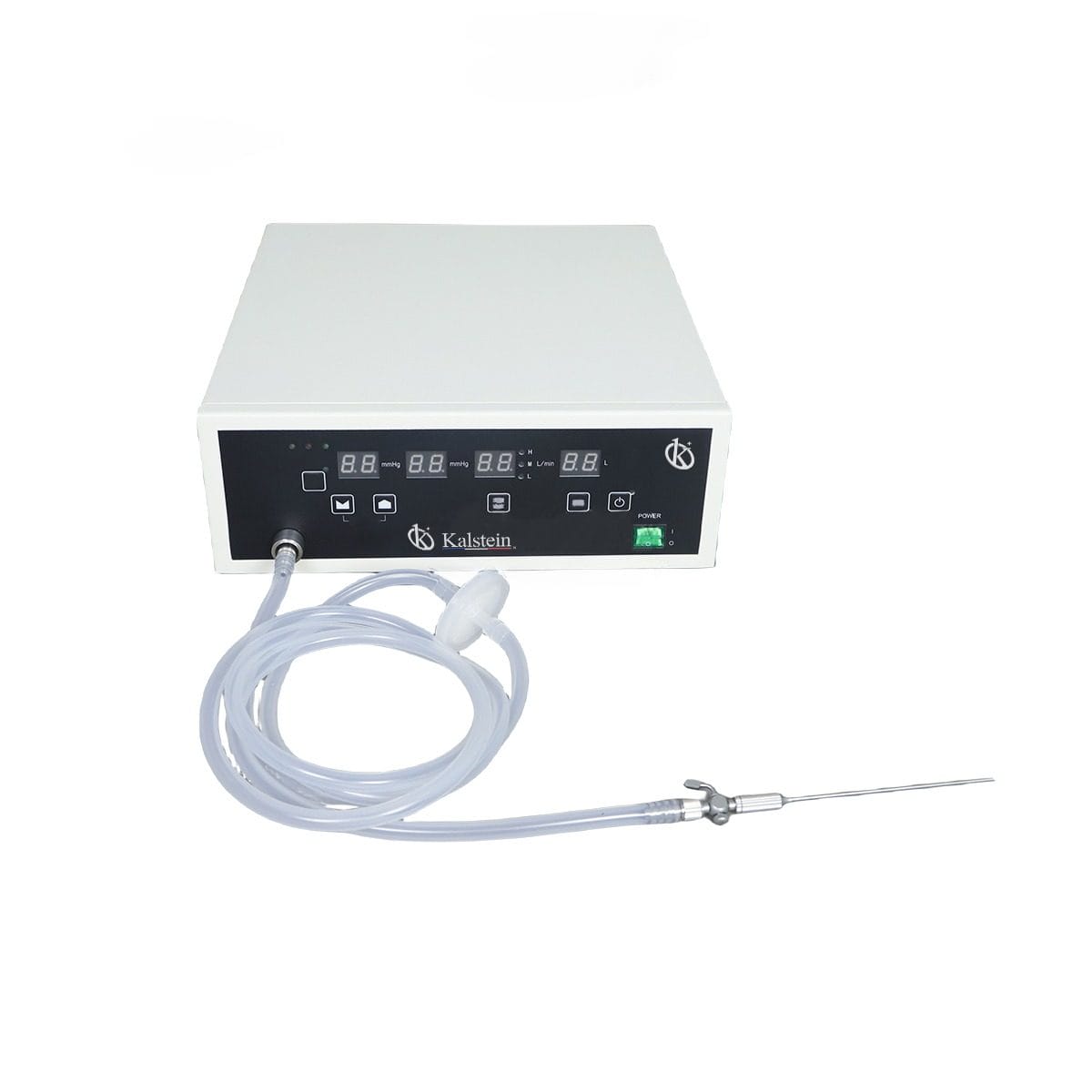
Different models of veterinary laparoscopy systems are designed with features that facilitate compliance with ISO/IEC standards. For example, the Veterinary CO2 Insufflator YR06157 is equipped with automatic alarm functions and pressure monitoring, which are essential for complying with ISO 17025 requirements. On the other hand, the Mobile High-Definition Endoscopic Imaging System YR06156 offers high-resolution imaging essential for accurate diagnostics and documentation, aligning with ISO 15189 standards.
Comparison of Available Models
| Model | ISO/IEC Clauses Covered | Traceability Features | Best For |
|---|---|---|---|
| YR06157 | ISO 17025 | Automatic monitoring | Small animals (dogs, cats) |
| YR06156 | ISO 15189 | High-resolution imaging | Versatile applications |
| YR06158 | IEC 61010 | Touchscreen controls | Wide range of surgeries |
Common Mistakes and How to Avoid Them
While striving for ISO/IEC compliance, veterinary practices often make common mistakes that can compromise their efforts. One mistake is neglecting the calibration of equipment, leading to inaccurate results. It is crucial to establish a regular calibration schedule, particularly for devices like insufflators, to ensure compliance with ISO 17025. Another common error is insufficient documentation; maintaining detailed records of equipment maintenance and calibration can help demonstrate compliance during audits.
Best Practices for Maintaining Compliance
To maintain ISO/IEC compliance, veterinary practices should implement several best practices:
- Regular Training: Ensure that all staff are trained on the importance of compliance and how to operate equipment correctly.
- Routine Calibration: Schedule regular calibration for all laparoscopy systems to adhere to ISO 17025.
- Documentation: Keep meticulous records of all procedures, calibrations, and maintenance activities.
Frequently Asked Questions
How can veterinary laparoscopy systems meet ISO 17025 requirements?
The Veterinary CO2 Insufflator YR06157 is designed to meet ISO 17025 requirements through its automatic alarm functions and secure monitoring of pressure levels, which are critical for maintaining accuracy in veterinary surgeries.
Which ISO standards are essential for veterinary laparoscopic procedures?
ISO 17025 and ISO 15189 are vital for veterinary laparoscopy. The latter ensures medical labs, including those performing laparoscopic diagnostics, maintain high-quality standards, while the former covers calibration and testing equipment.
What role does electrical safety play in veterinary laparoscopy systems?
Compliance with IEC 61010 ensures that veterinary laparoscopy systems, such as the Veterinary CO2 Insufflator YR06158, adhere to safety standards, minimizing risks to both veterinarians and animal patients during surgical procedures.
How does proper documentation support ISO compliance in a veterinary lab?
Maintaining detailed records of all calibration and maintenance activities helps demonstrate adherence to ISO standards, such as ISO 17025, ensuring that veterinary laparoscopy systems are compliant and reliable for surgical procedures.
What are the benefits of using high-definition imaging systems in compliance with ISO standards?
The Mobile High-Definition Endoscopic Imaging System YR06156 offers enhanced clarity and documentation capabilities, which are essential for meeting ISO 15189 standards in veterinary diagnostics and surgical procedures.
How often should veterinary laparoscopy systems be calibrated for compliance?
Calibration frequency often depends on the manufacturer's recommendations; however, for compliance with ISO 17025, routine calibration of systems such as the Veterinary CO2 Insufflator YR06157 should occur at least annually or more frequently based on usage.
Why is operator training important for ISO compliance in veterinary laparoscopy?
Proper operator training ensures that veterinary staff understand how to operate and maintain equipment in compliance with ISO standards, minimizing errors and enhancing the reliability of surgical outcomes in laparoscopy.
How can veterinary practices prepare for ISO/IEC audits?
Veterinary practices should ensure all documentation is up-to-date, including maintenance logs for equipment like the Veterinary CO2 Insufflator YR06157. Regular internal audits can also help identify areas needing improvement before official audits.
If you are looking for a fusion of innovation and quality, you have come to the right place. At Kalstein, we offer you the luxury of exploring our exclusive catalog of laboratory equipment. We manufacture every device to the highest standards of excellence. Our intuitive and seamless online purchasing channels are designed for your convenience, securing the most competitive prices. Hesitate no longer — we bring science to life, it is time to become part of our community.