Understanding ISO/IEC Norms and Regulatory Compliance in Oil Baths for Laboratories
In the realm of laboratory operations, adherence to ISO/IEC standards is paramount for ensuring the reliability and quality of results. Oil baths play a significant role in a variety of laboratory applications, from bioengineering to chemical analysis. This article explores how these standards influence the selection and utilization of oil baths, specifically focusing on the compliance requirements that laboratories must meet.
ISO/IEC Norms and Their Importance in Laboratory Settings
International Organization for Standardization (ISO) and International Electrotechnical Commission (IEC) norms provide a framework for quality assurance in laboratories. For instance, ISO 17025 is the key standard for testing and calibration laboratories, focusing on the competence of these entities to produce valid and reliable results. Compliance with such standards not only enhances operational efficacy but is often a prerequisite for accreditation. This ensures that laboratories can confidently produce high-quality data, a necessity for sectors like healthcare and pharmaceuticals.
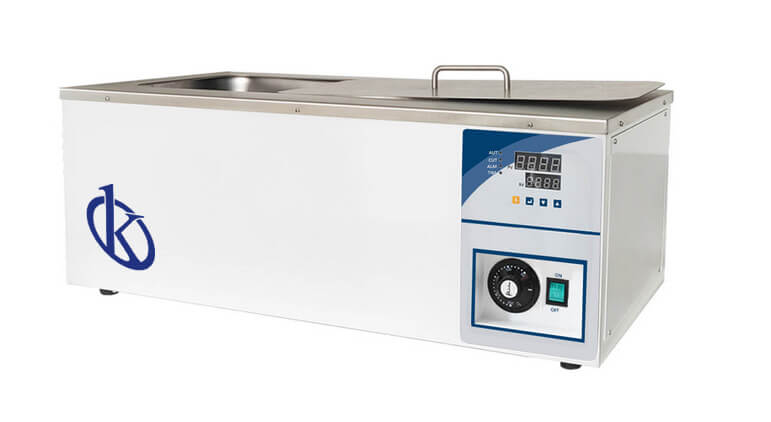
Specifically, oil baths like the YR04973 and YR04974 models are designed to meet stringent industry requirements by ensuring uniform temperature control, which is essential for precision in experimental conditions.
Comparative Overview of Oil Baths and Their Compliance Features
Laboratory professionals often face the challenge of selecting the right equipment that meets ISO/IEC compliance while catering to specific laboratory needs. Below, we compare several models of oil baths based on their compliance with key standards.
Comparison of Available Models
| Model | ISO/IEC Clauses Covered | Traceability Features | Best For |
|---|---|---|---|
| YR04973 | ISO 17025, IEC 61010 | PID control for precise temperature management | Bioengineering and food testing |
| YR04974 | ISO 17025, IEC 61010 | Dual function (water/oil) increases versatility | Chemical analysis and inspection labs |
| YR04975 | ISO 17025, IEC 61010 | Over-temperature alarm system | Research and development settings |
| YR04976 | ISO 17025, IEC 61010 | Mechanical temperature limiter for safety | Universities and educational institutions |
Common Mistakes and How to Avoid Them
One of the prevalent mistakes in laboratory compliance is the selection of equipment without proper awareness of the relevant ISO/IEC norms. Laboratories often choose models based solely on features rather than understanding how these features align with compliance requirements. For instance, an oil bath like the YR04975 may have advanced heating capabilities but does it integrate traceability features necessary for ISO 17025 compliance? Always evaluate equipment against the standards applicable to your laboratory's operations.
Traceability and Documentation in Compliance
Maintaining traceability is a critical aspect of laboratory compliance under ISO 17025. Effective documentation practices ensure that laboratory results can be traced back to the equipment used, including oil baths. Each model, such as the YR04974, supports traceability through its PID control system, which logs temperature variations and performance metrics. Laboratories should implement a robust tracking system and maintain detailed records of all calibration and maintenance activities associated with these devices.
Regulatory Audits: Preparing for Compliance Checks
Regular audits are essential to ensure compliance with ISO/IEC standards. Laboratories must prepare for these inspections by having all documentation in place and ensuring that all equipment, including oil baths like the YR04976, are regularly calibrated and maintained. Implementing a checklist for regulatory compliance can streamline this process, ensuring that all necessary procedures are followed, and potential issues are identified before audits occur.
Energy Efficiency and Sustainability in Laboratory Practices
With growing concerns about environmental impact, energy efficiency has become a focal point in laboratory operations. ISO standards also emphasize sustainability in practices. Oil baths that demonstrate energy-saving features, such as quick temperature stabilization and low energy consumption, significantly contribute to reducing the overall carbon footprint of laboratory operations. The YR04973, for instance, offers efficient heating control, making it a favorable choice for eco-conscious laboratories.
Frequently Asked Questions
How can I ensure my oil bath meets ISO 17025 compliance standards?
To ensure compliance with ISO 17025, choose models like YR04976 which incorporate traceability features and reliable PID control systems. Regular calibration and comprehensive documentation are also vital to demonstrate adherence to the standard.
What are the key features to look for in oil baths for regulatory compliance?
Key features include PID control for precise temperature management, dual functionality (like in YR04974), and safety alarms. These ensure reliable performance while adhering to relevant regulatory standards.
How often should oil baths be calibrated to meet ISO standards?
Calibration frequency for oil baths varies by use but generally should be performed every 6 to 12 months. Models such as YR04975 come equipped with systems that facilitate simple calibration processes to maintain compliance.
What documentation is required for compliance audits involving oil baths?
Documentation should include calibration logs, maintenance records, and evidence of training for personnel using the oil baths. Ensuring models like YR04973 are included in these records is critical for a successful audit.
Which oil bath model is best for food analysis compliance?
The YR04974 is particularly suitable for food analysis due to its dual functionality and compliance with ISO 17025, making it versatile for various testing scenarios.
How can I reduce energy consumption when using oil baths?
Utilizing energy-efficient models like the YR04973, which features rapid temperature stabilization, can significantly reduce energy consumption. Regular maintenance also ensures optimal performance and efficiency.
What are the risks of non-compliance with ISO/IEC standards in laboratories?
Non-compliance exposes laboratories to risks such as invalid results, loss of accreditation, and legal ramifications. Utilizing compliant equipment like YR04976 mitigates these risks by ensuring reliable and traceable laboratory results.
What are the benefits of using oil baths in a laboratory setting?
Oil baths provide precise temperature control essential for various laboratory applications, including chemical analyses and biological experiments. Models like YR04975 enhance operational efficiency while aligning with regulatory compliance requirements.
If you are looking for a fusion of innovation and quality, you have come to the right place. At Kalstein, we offer you the luxury of exploring our exclusive catalog of laboratory equipment. We manufacture every device to the highest standards of excellence. Our intuitive and seamless online purchasing channels are designed for your convenience, securing the most competitive prices. Hesitate no longer — we bring science to life, it is time to become part of our community.