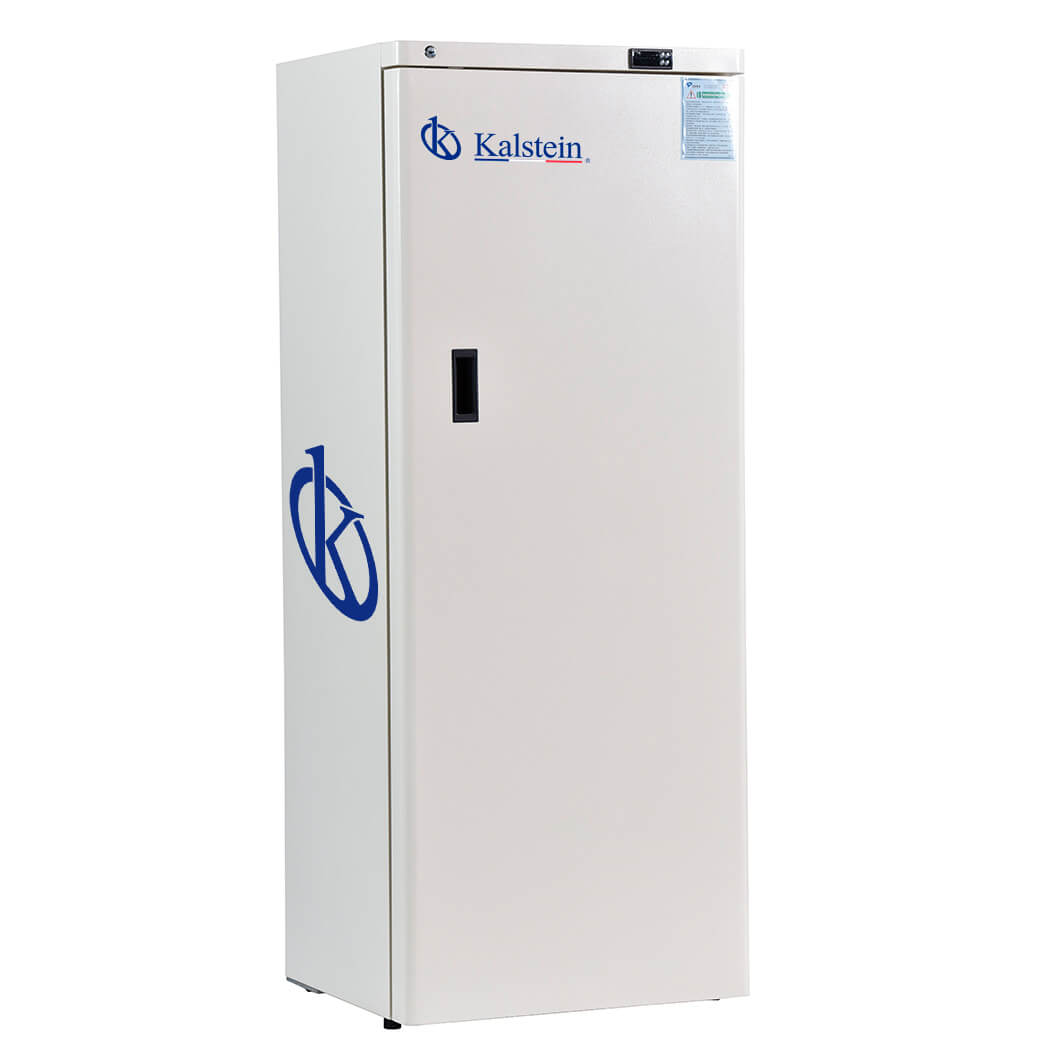
Understanding ISO/IEC Norms and Regulatory Compliance in Upright Freezers for Laboratories
Laboratories rely heavily on precise temperature control for sensitive biological samples. Compliance with ISO/IEC norms enhances the reliability of upright freezers, ensuring that they meet rigorous industry standards required for various laboratory applications. This article delves into how different models of upright freezers comply with these regulations, their unique features, and their implications for laboratory efficiency and safety.
Importance of ISO/IEC Norms in Laboratory Freezers
ISO/IEC standards provide a framework for ensuring quality and safety in laboratory environments. For upright freezers, compliance with these norms is crucial as it ensures that they can maintain the required temperature ranges necessary for the storage of biological materials. Specifically, ISO 17025 pertains to testing and calibration laboratories, indicating that equipment used must provide consistent results. Ensuring that an upright freezer meets these standards is fundamental for laboratories where reliability and accuracy are paramount.
Key ISO/IEC Standards for Laboratory Freezers
Several key ISO/IEC standards impact the selection of upright freezers for laboratory use, including:
- ISO 17025: This standard specifies general requirements for the competence of testing and calibration laboratories.
- IEC 61010: This standard deals with the safety requirements for electrical equipment used in measurement, control, and laboratory use.
- ISO 15189: Focused on medical laboratories, this standard outlines requirements for quality and competence.
How Upright Freezers Support Compliance with Regulations
Each model of upright freezer on the market varies in features that can help meet ISO/IEC standards. For example, the YR05297 is designed for ultra-low temperature storage and meets stringent requirements for the preservation of biological samples. With a temperature range of -40 to -86 degrees Celsius, this model is particularly suited for environments that must adhere to ISO 17025 regulations.
Moreover, features like microprocessor controls and alarm systems for temperature deviations are also critical in ensuring compliance, as they provide necessary documentation and monitoring capabilities required by regulatory bodies.
Comparison of Available Models
| Model Code | ISO/IEC Clauses Covered | Traceability Features | Best For |
|---|---|---|---|
| YR05097 | ISO 17025 | Digital monitoring | General laboratory use |
| YR05297 | ISO 17025 | Temperature alarms | Biological sample storage |
| YR05296 | ISO 15189 | Microprocessor control | Medical laboratories |
| YR05295 | IEC 61010 | Multi-alarm system | Large-scale laboratories |
| YR05294 | ISO 17025 | Stable temperature control | Research laboratories |
| YR05293 | IEC 61010 | LED display | Biomedical applications |
Common Mistakes and How to Avoid Them
When selecting an upright freezer for laboratory use, common mistakes can lead to compliance failures or operational inefficiencies. Here are some common pitfalls:
- Ignoring Temperature Ranges: Ensure the freezer can maintain temperatures specific to your applications, such as the ultra-low temperatures of the YR05297.
- Overlooking Alarm Features: Models like the YR05295 come with specific alarms that notify users of temperature fluctuations, which are crucial for regulatory compliance.
- Neglecting Documentation: It’s essential to maintain accurate records of temperature readings and compliance checks, particularly for ISO 17025.
Considerations for Compliance with ISO/IEC Norms
To ensure compliance with ISO/IEC norms when operating upright freezers, consider the following:
- Regular Calibration: Calibration schedules should be adhered to, ensuring all equipment remains compliant. Models like the YR05296 are equipped with features that facilitate easy calibration.
- Documentation Management: Proper records of maintenance and performance checks contribute to compliance and operational transparency.
Best Practices for Maintaining Regulatory Compliance
Maintaining regulatory compliance in laboratory environments requires ongoing diligence. Here are some best practices to adopt:
- Conduct Regular Audits: Regular internal audits will help identify areas of non-compliance before regulatory inspections.
- Use Compliance Checklists: Implement checklists that incorporate ISO/IEC clauses relevant to your equipment.
Frequently Asked Questions
What are the ISO 17025 requirements for upright freezers in laboratories?
ISO 17025 requires that upright freezers, such as the YR05297, maintain precise temperature ranges and provide traceable records to ensure compliance and reliability in laboratory settings.
How can I ensure my upright freezer meets IEC 61010 safety standards?
To comply with IEC 61010, select models like the YR05295 that feature built-in safety mechanisms, including alarms and fail-safes, ensuring safe operation in laboratory conditions.
What is the role of temperature alarms in laboratory freezer compliance?
Temperature alarms are essential for regulatory compliance as they alert users to deviations. The YR05296 provides multiple alarm systems that help maintain compliance with ISO 15189.
How frequently should I calibrate my laboratory upright freezer?
Calibration frequency depends on usage, but for compliance with ISO 17025, it is recommended to calibrate models like the YR05294 at least annually or after significant repairs.
What documentation is required for ISO compliance of upright freezers?
Documentation should include calibration records, maintenance logs, and temperature monitoring data. Ensuring that records for models like YR05293 are meticulously kept is vital for compliance.
Which upright freezer model is best for preserving biological samples?
The YR05297 is optimal for preserving biological samples due to its ultra-low temperature capability of -86 degrees Celsius, meeting stringent compliance requirements.
How can I assess the energy consumption of my upright freezer?
Energy consumption can be assessed by reviewing the manufacturer's specifications. For instance, the YR05296 has a consumption of 11.2 kWh/24h, providing a benchmark for operational costs.
What are the safety features to look for in a laboratory freezer?
Look for safety features such as alarm systems and emergency shut-off capabilities. The YR05295 includes multiple alarm functions that enhance safety in laboratory environments.
If you are looking for a fusion of innovation and quality, you have come to the right place. At Kalstein, we offer you the luxury of exploring our exclusive catalog of laboratory equipment. We manufacture every device to the highest standards of excellence. Our intuitive and seamless online purchasing channels are designed for your convenience, securing the most competitive prices. Hesitate no longer — we bring science to life, it is time to become part of our community.