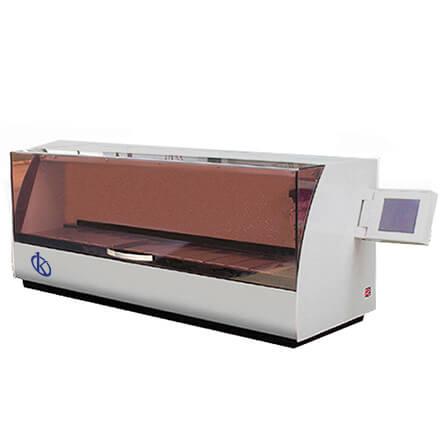
Understanding ISO/IEC Standards and Regulatory Compliance in Automatic Slide Stainers
In the realm of laboratory equipment, particularly in pathological anatomy, automatic slide stainers serve a critical role in preparing samples for analysis. Adhering to international standards such as ISO/IEC ensures that laboratories operate efficiently and meet regulatory requirements. This article delves into the key ISO/IEC standards relevant to automatic slide stainers, examining how various models comply with these standards to enhance laboratory performance and reliability.
ISO/IEC Standards Overview
ISO (International Organization for Standardization) and IEC (International Electrotechnical Commission) create standards that promote quality, safety, and efficiency in laboratory environments. Compliance with these standards is crucial for laboratories aiming to achieve accreditation and maintain operational excellence. Key standards relevant to automatic slide stainers include:
- ISO 17025: This standard focuses on the competence of testing and calibration laboratories, ensuring they produce reliable results.
- ISO 15189: Specifically tailored for medical laboratories, this standard outlines the requirements for quality and competence.
- IEC 61010: This standard pertains to safety requirements for electrical equipment used in measurement, control, and laboratory environments.
Understanding these standards helps laboratories select equipment that not only meets regulatory requirements but also enhances operational efficiency.
Key Benefits of Compliance
Adhering to ISO/IEC standards offers several benefits:
- Improved Quality Assurance: Compliance establishes a framework for consistent quality in laboratory operations.
- Increased Trust: Accreditation fosters trust among clients and stakeholders regarding the reliability of test results.
- Operational Efficiency: Standardized processes lead to streamlined operations and reduced errors.
By equipping laboratories with compliant automatic slide stainers, institutions can significantly enhance their operational capabilities.
Comparison of Available Models
| Model | ISO/IEC Clauses Covered | Traceability Features | Best For |
|---|---|---|---|
| YR435 | ISO 17025, ISO 15189 | Automated water quality monitoring | High-throughput laboratories |
| YR435-1 | ISO 15189 | Integrated quality control protocols | Multi-user environments |
| YR436-1 | IEC 61010 | Real-time performance tracking | Compact spaces and efficiency-focused labs |
ISO 17025 and Automatic Slide Stainers
ISO 17025 is pivotal for laboratories that test and calibrate. For automatic slide stainers, compliance ensures that these machines consistently produce accurate results. The YR435 model, for instance, features an intelligent water input and output system that enhances cleanliness during operations, aligning with the ISO 17025 requirements for accuracy and reliability.
Furthermore, the adjustable processing times for each step of the staining process allow laboratories to fine-tune their workflows, ensuring that every test meets the stringent criteria set forth by ISO 17025.
IEC 61010 Compliance and User Safety
IEC 61010 addresses safety in electrical equipment, which is crucial in laboratory settings. The YR436-1 model adheres to this standard, ensuring that users are protected while operating the machine. Its low-noise transmission system and high-quality materials minimize wear and tear, promoting a safe working environment.
By incorporating safety features compliant with IEC 61010, laboratories can ensure that their staff is safeguarded against potential hazards associated with electrical equipment.
Common Mistakes and How to Avoid Them
In their pursuit of compliance, laboratories often make several common mistakes:
- Neglecting Proper Training: Staff must be trained on both the equipment and the standards they need to follow.
- Ignoring Documentation: Lack of proper documentation can lead to compliance issues. Laboratories should maintain comprehensive records of all processes and protocols.
- Failing to Conduct Regular Audits: Regular audits of both equipment and processes help identify areas needing improvement before they become compliance issues.
By focusing on training, documentation, and audits, laboratories can mitigate these risks effectively.
Frequently Asked Questions
What ISO standards should a laboratory consider for automatic slide stainers?
Laboratories should consider ISO 17025 and ISO 15189 when evaluating automatic slide stainers. Models like YR435 and YR435-1 adhere to these standards, ensuring compliance and enhancing the reliability of test results.
How does compliance with IEC 61010 enhance safety in using automatic slide stainers?
Compliance with IEC 61010 enhances safety by ensuring that electrical equipment, like the YR436-1, meets high safety standards, reducing risks of electrical hazards during operation.
Which automatic slide stainer is best for high-throughput laboratories?
The YR435 model is best for high-throughput laboratories due to its ability to process multiple slides efficiently while complying with ISO 17025 standards, ensuring accurate results.
How can automatic slide stainers help meet regulatory compliance?
Automatic slide stainers like the YR435-1 assist laboratories in meeting regulatory compliance by integrating quality control protocols that align with ISO 15189 requirements, ensuring consistent, reliable results.
What features should I look for in an automatic slide stainer for a safe laboratory environment?
Look for models that comply with IEC 61010 standards, such as the YR436-1, which provide safety features ensuring user protection and operational reliability.
What are the benefits of using ISO-compliant automatic slide stainers in laboratories?
ISO-compliant automatic slide stainers improve quality assurance, increase trust in test results, and enhance operational efficiency, making them invaluable assets for any laboratory.
How often should automatic slide stainers be audited for compliance?
Automatic slide stainers should be audited regularly, ideally quarterly or bi-annually, to ensure compliance with standards like ISO 17025, especially in high-volume testing environments.
What cost factors should be considered for automatic slide stainers under ISO compliance?
Consider CAPEX, OPEX, and maintenance costs. Models like YR435 and YR436-1 can help minimize costs through efficient operations, ensuring long-term value and compliance with ISO standards.
If you are looking for a fusion of innovation and quality, you have come to the right place. At Kalstein, we offer you the luxury of exploring our exclusive catalog of laboratory equipment. We manufacture every device to the highest standards of excellence. Our intuitive and seamless online purchasing channels are designed for your convenience, securing the most competitive prices. Hesitate no longer — we bring science to life, it is time to become part of our community.