How to Achieve Seamless LIMS Integration with Automatic Slide Stainers
In modern laboratories, the integration of Automatic Slide Stainers with Laboratory Information Management Systems (LIMS) plays a critical role in enhancing workflow efficiency and data management. This article delves into the importance of this integration, exploring its impact on laboratory processes, data flow, and the technical specifications of various models.
Understanding Automatic Slide Stainers and Their Role in Pathological Anatomy
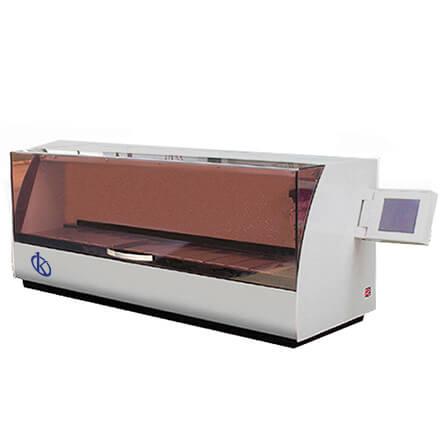
Automatic Slide Stainers are vital tools in pathological anatomy, enabling high throughput and consistent quality in tissue staining processes. These machines allow laboratories to automate the staining process, minimizing human error and increasing efficiency. The integration with LIMS facilitates seamless data management, ensuring that all staining results and relevant data are readily accessible for analysis and reporting.
Benefits of Integrating Automatic Slide Stainers with LIMS
Integrating Automatic Slide Stainers with LIMS results in several key benefits:
- Enhanced Data Accuracy: Automatic data capture reduces the chances of manual input errors.
- Improved Workflow Efficiency: Automation minimizes handling time, allowing technicians to focus on higher-value tasks.
- Streamlined Reporting: Direct data transfer to LIMS enables faster and more accurate reporting on staining results.
- Traceability: Integration allows for effective tracking of samples and reagents used throughout the staining process.
Key Connectivity Protocols for LIMS Integration
To effectively integrate Automatic Slide Stainers with LIMS, certain connectivity protocols are essential. Common protocols include:
- HL7: Facilitates the exchange of clinical and administrative data between various systems.
- ASTM: A standard for data exchange for laboratory instruments and computer systems.
- REST: A protocol suited for web services that enables interaction between applications.
Comparison of Available Models
| Model | Connectivity | Protocols Supported | Integration Effort | Best For |
|---|---|---|---|---|
| YR435 | Yes | HL7, ASTM | Medium | High throughput labs |
| YR435-1 | Yes | REST, HL7 | High | Research labs |
| YR436-1 | Yes | ASTM, REST | Low | Compact labs |
Common Mistakes and How to Avoid Them
When integrating Automatic Slide Stainers with LIMS, laboratories often encounter several common mistakes:
- Neglecting Training: Ensure all staff are trained on both the slide stainer and LIMS functionalities.
- Inadequate Testing: Conduct thorough testing of the integration to confirm data accuracy and reliability.
- Ignoring Compliance: Adhere to relevant standards such as ISO 17025 to ensure quality management.
Frequently Asked Questions
How does LIMS integration enhance the efficiency of automatic slide stainers?
LIMS integration enhances the efficiency of automatic slide stainers like YR435 by automating data capture and reporting, reducing manual errors and allowing laboratory staff to focus on analysis rather than administrative tasks.
Which automatic slide stainer is best for high throughput laboratories?
The YR435 model is best suited for high throughput laboratories due to its capacity to process multiple slides simultaneously while seamlessly integrating with LIMS for efficient data management.
What protocols are commonly used for LIMS integration with slide stainers?
Common protocols for LIMS integration with slide stainers include HL7 and ASTM, which facilitate efficient communication between the staining machines and laboratory information systems for accurate data exchange.
How can I ensure data accuracy with automatic slide stainers integrated with LIMS?
To ensure data accuracy, laboratories should implement thorough testing procedures when integrating models like YR436-1, ensuring that data input and output meet quality standards such as ISO 17025.
What are the costs associated with LIMS integration for automatic slide stainers?
The costs associated with LIMS integration can vary based on the model and the complexity of the integration itself; typically, models like YR435-1 may involve higher initial investments but lead to long-term savings in operational efficiency.
Which automatic slide stainer offers the best ease of use for new laboratory staff?
The YR436-1 automatic slide stainer offers an intuitive touchscreen interface that makes it easy for new laboratory staff to operate and integrate with LIMS, ensuring a smoother learning curve.
How does the integration of automatic slide stainers affect regulatory compliance?
Integrating automatic slide stainers like the YR435 with a LIMS helps maintain regulatory compliance by ensuring traceability and accurate documentation of staining processes, which are crucial for meeting standards such as ISO 17025.
What maintenance practices should be followed for LIMS-integrated slide stainers?
Maintenance practices for LIMS-integrated slide stainers include regular calibration, adherence to cleaning protocols, and updating software to ensure seamless data transfer and operational reliability.
If you are looking for a fusion of innovation and quality, you have come to the right place. At Kalstein, we offer you the luxury of exploring our exclusive catalog of laboratory equipment. We manufacture every device to the highest standards of excellence. Our intuitive and seamless online purchasing channels are designed for your convenience, securing the most competitive prices. Hesitate no longer — we bring science to life, it is time to become part of our community.