How to Achieve Data Flow Digitalization through LIMS Integration in Chemiluminescence Consumables
The integration of Laboratory Information Management Systems (LIMS) with chemiluminescence consumables has become essential in modern laboratories aiming for efficiency and accuracy. As laboratories increasingly shift towards digital solutions, understanding how to integrate LIMS for effective data flow is crucial. In this article, we will explore the significance of LIMS integration and discuss various chemiluminescence consumables, including their specifications and how they contribute to a streamlined workflow.
Understanding LIMS Integration for Chemiluminescence Consumables
Laboratories often face challenges with data management and traceability, particularly when dealing with various consumables in chemiluminescence testing. LIMS integration facilitates the seamless transfer of data between instruments and laboratory systems. This integration allows for real-time data processing and enhanced accuracy.
By implementing LIMS, laboratories can simplify their workflows, reduce human error, and maintain compliance with industry standards. The integration involves configuring connectivity protocols such as HL7 and ASTM, which ensure that data from chemiluminescence consumables are accurately recorded and utilized in diagnostic processes.
Key Benefits of LIMS Integration in Chemiluminescence Testing
The benefits of LIMS integration for chemiluminescence consumables include:
- Improved Data Accuracy: By automating data entry, LIMS minimizes human errors.
- Enhanced Traceability: LIMS provides a comprehensive audit trail of all consumables, including their use and performance.
- Streamlined Workflows: Automated processes reduce manual intervention, allowing staff to focus on critical tasks.
- Regulatory Compliance: LIMS ensures that laboratories meet necessary regulatory standards for reporting and documentation.
Integration Scenarios: Chemiluminescence Consumables
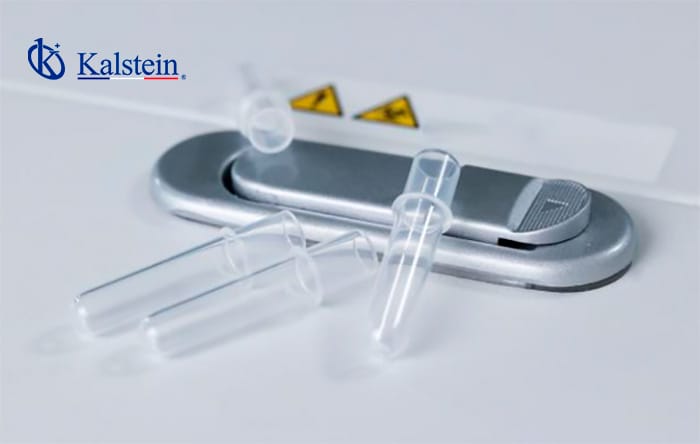
Integrating LIMS with chemiluminescence consumables varies based on the specific products used in the lab. For instance, the Reaction Cuvette YRA400 is designed for use in CLIA analyzers and requires integration to track usage and performance metrics.
Similarly, the System Washing Solution YRA401 is essential for maintaining the efficiency of analyzers, and its usage data can be captured through LIMS to monitor cleaning schedules and reagent consumption.
Comparison of Available Models
| Model | Specifications | Best Use Case |
|---|---|---|
| YRA400 | 1000 pieces/bag, CE certified, ISO13485 | Ideal for CLIA analyzers |
| YRA401 | 500 ml/bottle, 300 tests per bottle | System cleaning and reagent separation |
| YRA402 | 100 ml/bottle, 500 tests | Quantitative detection of ALP |
| YRA404 | 24 tests/box, storage 2-8℃ | Early pregnancy diagnostics |
Common Mistakes and How to Avoid Them
Integrating LIMS with chemiluminescence consumables can be complex, and several common mistakes can hinder success:
- Inadequate Training: Ensure all users are properly trained to utilize the system effectively.
- Ignoring Compliance: Always align integration with regulatory standards to avoid issues.
- Data Overload: Focus on capturing essential data to prevent overwhelming the system.
Frequently Asked Questions
What are the advantages of using LIMS with chemiluminescence consumables?
Integrating LIMS with chemiluminescence consumables, such as the YRA401, enhances data accuracy and improves workflow efficiency. It enables labs to maintain compliance with industry standards, track reagent usage, and optimize performance over time.
How does LIMS integration enhance traceability in laboratory processes?
LIMS integration improves traceability by recording every transaction related to consumables, including the Reaction Cuvette YRA400, ensuring that all data is readily accessible for audits and compliance reporting.
What connectivity protocols are essential for LIMS integration with chemiluminescence consumables?
Key connectivity protocols for LIMS integration include HL7 and ASTM. These protocols facilitate smooth communication between analyzers like those using the YRA402 and laboratory information systems.
How can a lab ensure compliance when integrating LIMS with chemiluminescence consumables?
To ensure compliance, labs should follow regulatory standards and maintain detailed documentation, particularly for products like the YRA404, to validate the entire testing process and results.
What steps should be taken to optimize workflow with LIMS integration?
To optimize workflow, labs should automate data entry processes, establish clear data management protocols, and train staff effectively on using LIMS with consumables such as the YRA401.
Which chemiluminescence consumable is best for quantitative detection in labs?
The YRA402 substrate is highly effective for quantitative detection of alkaline phosphatase in clinical analysis, making it a crucial component in workflows relying on accurate chemiluminescence results.
How can labs assess the integration effort for each chemiluminescence model?
Labs can assess integration effort by evaluating the complexity of data connections, the required training for staff, and the compatibility of each model, such as the YRA400, with existing systems.
What common challenges might arise during LIMS integration for chemiluminescence consumables?
Common challenges include software compatibility, resistance to change from staff, and insufficient system testing. Addressing these issues upfront can help smooth the integration process.
If you are looking for a fusion of innovation and quality, you have come to the right place. At Kalstein, we offer you the luxury of exploring our exclusive catalog of laboratory equipment. We manufacture every device to the highest standards of excellence. Our intuitive and seamless online purchasing channels are designed for your convenience, securing the most competitive prices. Hesitate no longer — we bring science to life, it is time to become part of our community.