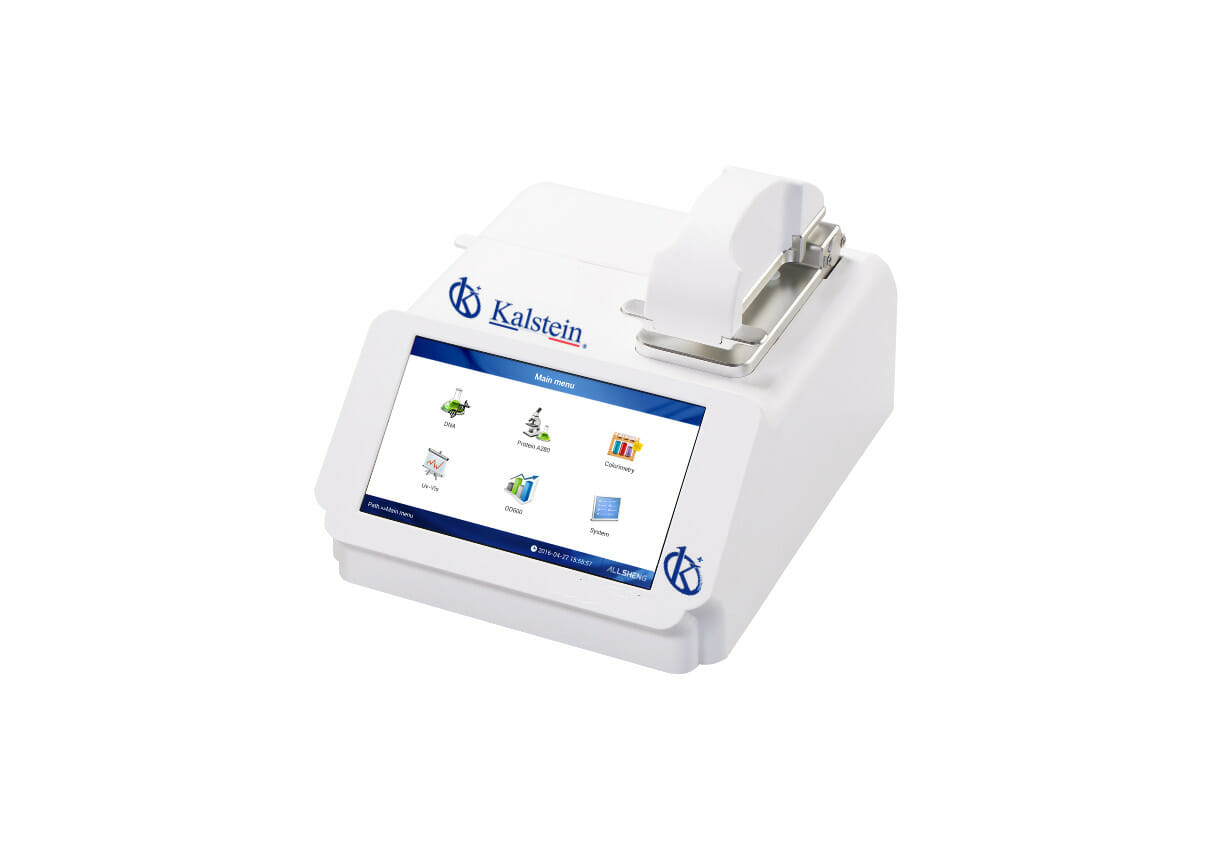
How to Achieve LIMS Integration and Data Digitalization with Micro-Spectrophotometers
Micro-spectrophotometers are essential tools in modern laboratories, significantly enhancing workflows through their capability to analyze small sample volumes efficiently. However, to fully maximize their potential, integrating these instruments with Laboratory Information Management Systems (LIMS) is crucial. This article discusses the integration of micro-spectrophotometers with LIMS, explores various models, and delves into the benefits of digitalizing data flow in laboratory settings.
Understanding the Role of Micro-Spectrophotometers in LIMS Integration
Micro-spectrophotometers are designed to perform quantitative analysis of nucleic acids and proteins by utilizing minimal sample volumes. Models such as the YR06033-1 and YR06034 are equipped with advanced features like rapid measurement times and high accuracy, making them suitable for integration with LIMS. By connecting these instruments to LIMS, laboratories can streamline data management, enhance result accuracy, and improve overall efficiency.
Benefits of Data Digitalization in Laboratories
Digitalization of data flow in laboratories offers numerous advantages, including improved data accuracy, enhanced traceability, and easier compliance with regulatory standards. Integrating micro-spectrophotometers with LIMS allows for seamless data transfer, reducing manual errors and ensuring that results are recorded in real-time. This integration also enables better data analysis and reporting capabilities, facilitating decision-making processes.
Key Connectivity Protocols for LIMS Integration
To achieve effective integration, understanding the connectivity protocols supported by micro-spectrophotometers is fundamental. Common protocols include HL7, ASTM, and REST, which facilitate the exchange of information between the instrument and LIMS. For instance, the YR06035 model supports USB output, making it readily compatible with various LIMS solutions. Knowing these protocols helps laboratories select the right equipment that aligns with their data management systems.
LIMS Integration and Workflow Optimization
Integrating micro-spectrophotometers with LIMS can lead to significant workflow optimization. By automating data entry and result reporting, labs can reduce the time spent on manual processes. For example, the YR06033 model’s capability to quickly analyze samples can be leveraged to enhance throughput, allowing technicians to focus on other critical tasks, ultimately leading to greater productivity.
Common Mistakes and How to Avoid Them
When aiming for LIMS integration, laboratories often encounter pitfalls such as underestimating the importance of data standards and compatibility issues. Selecting micro-spectrophotometers that do not align with the existing LIMS architecture can lead to integration challenges. Therefore, it is crucial to conduct thorough compatibility assessments during the equipment selection process.
Comparison of Available Models
| Model | Connectivity | Protocols Supported | Integration Effort | Best For |
|---|---|---|---|---|
| YR06033-1 | USB | HL7, ASTM | Moderate | High-throughput labs |
| YR06034 | USB | HL7 | Low | Basic nucleic acid analysis |
| YR06035 | USB | REST, ASTM | Low | Advanced labs with diverse needs |
Maximizing Efficiency with LIMS-Integrated Micro-Spectrophotometers
To further maximize efficiency, laboratories should evaluate how their chosen micro-spectrophotometer can enhance data management processes. For example, the YR06035 model provides a user-friendly interface that facilitates data entry and retrieval, simplifying the workflow. This efficiency allows lab personnel to reallocate time and resources effectively, thus enhancing overall laboratory performance.
Best Practices for Data Digitalization
Adopting best practices for data digitalization is essential for laboratory success. This includes ensuring that all data generated by micro-spectrophotometers is accurately recorded in the LIMS, maintaining data integrity throughout the process. Regular training and updates for staff regarding LIMS functionalities will ensure they remain proficient in using the system, ultimately leading to a more streamlined laboratory operation.
Frequently Asked Questions
How does LIMS integration enhance the functionality of micro-spectrophotometers?
LIMS integration enhances the functionality of micro-spectrophotometers by automating data capture and analysis processes, improving accuracy and traceability. For instance, the YR06034 can seamlessly transmit results to LIMS, which minimizes manual entry errors and speeds up reporting.
What are the essential features to consider in micro-spectrophotometers for LIMS?
Essential features to consider include connectivity options like USB, compatibility with LIMS protocols such as ASTM, and ease of integration. The YR06035 model offers robust connectivity options, making it ideal for laboratories looking to streamline their data management.
How can I ensure data integrity when integrating micro-spectrophotometers with LIMS?
To ensure data integrity, laboratories must implement strict data management protocols and regularly validate their integration processes. Using models like the YR06033-1 with real-time data transmission can greatly enhance integrity by capturing accurate results for immediate analysis.
What are the common challenges faced during LIMS integration with micro-spectrophotometers?
Common challenges include compatibility issues between the instruments and existing LIMS, as well as staff training on the new systems. Selecting models that are known for their seamless integration, such as the YR06034, can mitigate these challenges.
How can my laboratory benefit from digitalizing data flows with micro-spectrophotometers?
Digitalizing data flows allows for faster data processing, improved accuracy, and reduced manual errors. For example, the YR06035 model enables labs to quickly analyze and store data digitally, leading to more efficient workflows.
What is the role of USB connectivity in the integration of micro-spectrophotometers with LIMS?
USB connectivity allows for easy and quick data transfer between micro-spectrophotometers and LIMS, facilitating real-time data capture and retrieval. This feature is present in models like the YR06033, making them suitable for fast-paced lab environments.
Which micro-spectrophotometer model is best for advanced data digitalization in laboratories?
The YR06035 model is best suited for advanced data digitalization, offering comprehensive connectivity options and efficient data management capabilities, making it ideal for labs requiring high throughput and accuracy.
How can I request a quote for a micro-spectrophotometer with LIMS integration?
You can request a quote for a micro-spectrophotometer with LIMS integration by contacting Kalstein directly or visiting our online catalog for pricing information and detailed specifications.
If you are looking for a fusion of innovation and quality, you have come to the right place. At Kalstein, we offer you the luxury of exploring our exclusive catalog of laboratory equipment. We manufacture every device to the highest standards of excellence. Our intuitive and seamless online purchasing channels are designed for your convenience, securing the most competitive prices. Hesitate no longer — we bring science to life, it is time to become part of our community.