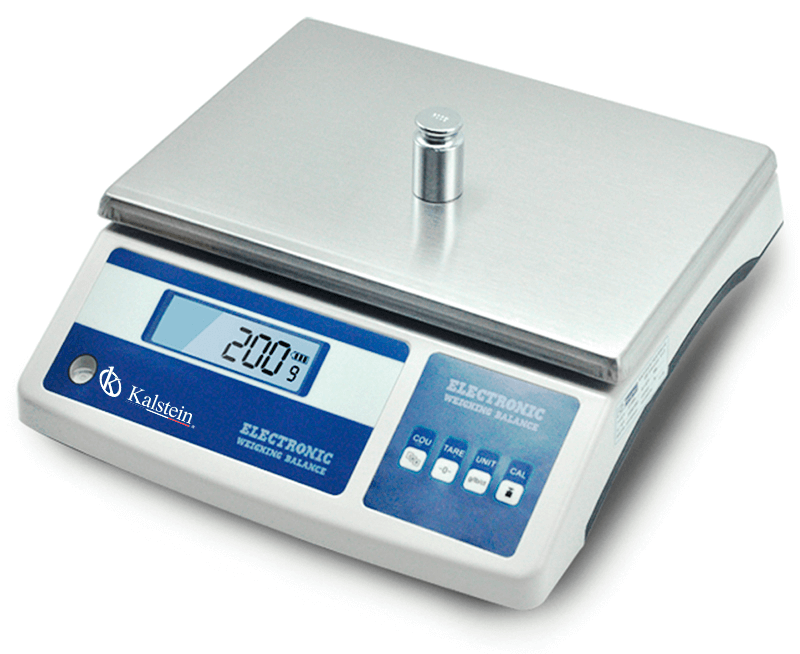
How to Achieve Effective LIMS Integration with Industrial Balances
Integrating Laboratory Information Management Systems (LIMS) with industrial balances is a critical step towards enhancing data flow and operational efficiency within laboratory settings. With increasing demands for precise data management, laboratories are leveraging technology to streamline workflows and ensure compliance with industry standards. This article outlines how different industrial balances can be integrated with LIMS to improve accuracy and efficiency.
Understanding the Role of Industrial Balances in Laboratory Settings
Industrial balances are essential tools for measuring mass with high precision. They play a vital role in various laboratory applications, including quality control, research, and manufacturing processes. By integrating these balances with LIMS, laboratories can automate data entry, reduce human errors, and maintain comprehensive records of all measurements. This digitalization enhances data integrity and supports compliance with regulatory requirements.
Key Features for LIMS Integration
For effective integration of industrial balances with LIMS, several key features must be considered:
- Connectivity: Balances should support various connectivity options such as USB, RS-232, or Ethernet to ensure seamless data transfer.
- Protocol Support: Compatibility with common protocols like ASTM, HL7, and REST is crucial for smooth data exchange.
- Data Sovereignty: Ensuring that data remains within regulatory jurisdictions is paramount for compliance.
- Configuration Flexibility: The ability to customize integration settings to meet specific laboratory needs enhances usability.
Comparison of Available Models
| Model | Capacity | Readability | Best for | Connectivity Options |
|---|---|---|---|---|
| YR05606 | 11 kg | 1 g | General laboratory use | USB, RS-232 |
| YR05607 | 16 kg | 1 g | Quality control applications | USB, RS-232 |
| YR05608 | 21 kg | 1 g | Research and development | USB, RS-232, Ethernet |
| YR05609 | 31 kg | 1 g | Heavy-duty applications | USB, RS-232 |
| YR05610 | 5.1 kg | 0.1 g | Precise measurement needs | USB |
| YR05611 | 11 kg | 0.1 g | Laboratory testing | USB, RS-232 |
Common Mistakes and How to Avoid Them
Integrating industrial balances with LIMS can present challenges if not approached correctly. Common mistakes include:
- Neglecting Compatibility: Always verify that the balance supports the required connectivity protocols for LIMS.
- Insufficient Training: Ensure laboratory personnel are adequately trained on both the balance and LIMS functionalities to maximize efficiency.
- Ignoring Data Security: Implement measures to secure data transfer and storage, addressing privacy concerns.
- Overlooking Maintenance: Regular maintenance of balances is critical to ensure accuracy and reliability.
Achieving the Right Configuration for LIMS Integration
Configuring industrial balances for LIMS integration involves several steps:
- Assess Laboratory Needs: Identify the specific requirements of your laboratory to select the appropriate balance model.
- Establish Connectivity: Connect the balance to the LIMS using the appropriate cable or network settings.
- Configure Software Settings: Adjust settings in both the balance and LIMS to ensure they are compatible.
- Test Integration: Conduct tests to confirm that data flows correctly from the balance to the LIMS.
- Document Procedures: Maintain documentation on the integration process for future reference and compliance.
Benefits of LIMS Integration with Industrial Balances
Integrating industrial balances with LIMS offers numerous benefits:
- Improved Data Accuracy: Automatic data entry minimises human error, leading to more reliable results.
- Enhanced Efficiency: Streamlined workflows reduce time spent on data management tasks.
- Better Compliance: Automatic record-keeping helps maintain regulatory compliance with standards such as ISO 17025.
- Cost-Effectiveness: Reducing manual processes cuts down on labor costs, thereby improving overall laboratory efficiency.
Frequently Asked Questions
How does LIMS integration enhance data accuracy for industrial balances?
LIMS integration with industrial balances like the YR05609 ensures automatic data transfer, minimizing human error and maintaining accurate records. This integration supports compliance with standards such as ISO 17025.
What are the connectivity options for industrial balances in LIMS?
Industrial balances such as the YR05608 offer connectivity options including USB, RS-232, and Ethernet, facilitating seamless integration with LIMS for efficient data management.
Which industrial balance model is best for quality control applications?
The YR05607 is ideal for quality control applications due to its 16 kg capacity and 1 g readability, ensuring precise measurements essential for quality assurance processes.
What is the impact of LIMS integration on laboratory compliance?
LIMS integration with balances like the YR05611 automates record-keeping, improving compliance with regulations such as ISO 17025 while enhancing data integrity and traceability.
What are the common mistakes during LIMS integration of industrial balances?
Common mistakes include neglecting compatibility with protocols, insufficient training for staff, and overlooking data security measures, all of which can hinder efficient integration.
How can I ensure effective data transfer from balances to LIMS?
To ensure effective data transfer, it is crucial to configure settings correctly, use compatible connectivity options, and perform integration tests after connecting devices like the YR05606.
What are the recommendations for maintaining balances integrated with LIMS?
Regular maintenance of balances like the YR05610 is recommended to ensure accuracy, reliability, and optimal performance in conjunction with LIMS.
Why is it essential to document the LIMS integration process?
Documenting the LIMS integration process provides a reference for troubleshooting and helps maintain compliance with regulatory standards such as ISO 17025.
If you are looking for a fusion of innovation and quality, you have come to the right place. At Kalstein, we offer you the luxury of exploring our exclusive catalog of laboratory equipment. We manufacture every device to the highest standards of excellence. Our intuitive and seamless online purchasing channels are designed for your convenience, securing the most competitive prices. Hesitate no longer — we bring science to life, it is time to become part of our community.