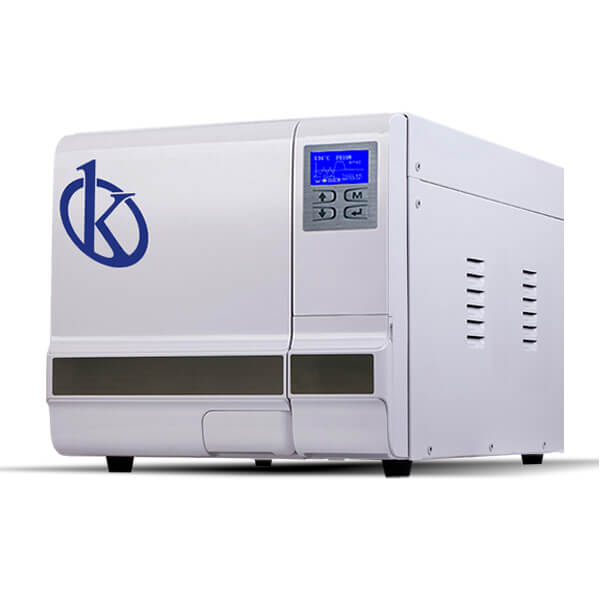
Maximizing Energy Efficiency and Reducing Environmental Footprint with Horizontal Autoclaves
In an age where energy conservation and reducing environmental impact are paramount, laboratories are increasingly seeking equipment that aligns with sustainability goals. Horizontal autoclaves play a critical role in this regard by offering efficient sterilization processes that minimize energy consumption while maintaining high performance. This article delves into how these devices contribute to energy sustainability and their essential features.
Understanding the Role of Horizontal Autoclaves in Energy Sustainability
Horizontal autoclaves, such as the Class B Table Autoclave models, are designed to optimize energy use during sterilization cycles. By employing advanced technologies like pre-vacuum and precise temperature control, these autoclaves can significantly reduce the energy footprint compared to traditional models. For instance, models like the YR03387 and YR03388 are engineered to achieve sterilization cycles efficiently, thereby lowering overall energy consumption.
Energy Consumption Metrics
The energy consumption of an autoclave is typically measured in kilowatt-hours (kWh) per run. For horizontal autoclaves, this metric is crucial in assessing their sustainability. By understanding the kWh required for each model, labs can make informed decisions about their sterilization equipment. For example, the Class B Table Autoclave YR03387 requires approximately 1.75 kWh per cycle, making it one of the more energy-efficient options available.
Comparison of Available Models
| Model | Chamber Volume (L) | Power (W) | Energy Consumption per Cycle (kWh) | Best for |
|---|---|---|---|---|
| YR03387 | 8 | 1750 | 1.75 | Small labs, tattoo studios |
| YR03388 | 12 | 1750 | 1.75 | Small labs, beauty salons |
| YR03389 | 18 | 1750 | 1.75 | Veterinary clinics |
| YR03390 | 23 | 1750 | 1.75 | Research labs |
| YR03385C | 29 | 2300 | 2.3 | Medium-sized labs |
| YR03385B | 45 | 3800 | 3.8 | Large labs |
Reducing Water and Reagent Consumption
Water consumption is another critical factor in the environmental impact of autoclaves. Horizontal autoclaves are equipped with features that optimize water usage. For example, many models use a closed-loop water system, which minimizes waste and reduces the amount of water needed for each cycle. The Class B Table Autoclave models not only sterilize efficiently but also contribute to lower water usage compared to older systems.
Lifecycle Assessment of Horizontal Autoclaves
Conducting a lifecycle assessment (LCA) helps laboratories evaluate the environmental impact of their equipment from production to disposal. Horizontal autoclaves generally offer a favorable LCA due to their durability and energy-efficient operation. For instance, the YR03389 is built with high-quality materials, enhancing its longevity and reducing the frequency of replacement, which is essential for sustainability.
Implementing E-Waste Reduction Strategies
As laboratories transition to more sustainable practices, managing e-waste becomes vital. Horizontal autoclaves are typically designed for easy maintenance and upgrades, allowing for longer service life and reduced electronic waste. Models like the YR03390 facilitate easy servicing, which can extend their operational lifespan and reduce the need for new purchases.
Common Mistakes and How to Avoid Them
When optimizing for energy efficiency and environmental sustainability, laboratories often overlook the importance of regular maintenance. Neglecting maintenance can lead to inefficiencies that increase energy consumption. Additionally, choosing the wrong model size can impact energy use. Labs should carefully assess their needs and select an appropriately sized autoclave, such as the YR03385B for larger operations.
Frequently Asked Questions
How does the energy consumption of horizontal autoclaves compare to traditional models?
Horizontal autoclaves like the YR03387 consume significantly less energy, averaging about 1.75 kWh per cycle, compared to traditional models that may require higher energy levels for equivalent performance.
What features help reduce water consumption in autoclaves?
Models like the YR03388 use closed-loop water systems that recycle water during sterilization cycles, leading to considerable reductions in overall water usage.
Which horizontal autoclave is best for small laboratories focused on sustainability?
The Class B Table Autoclave YR03387 is ideal for small laboratories, offering an 8-liter chamber with efficient energy use and minimal space requirements.
How can I ensure my autoclave remains energy efficient?
Regular maintenance of your autoclave, such as the YR03389, is crucial to ensure it operates efficiently. This includes cleaning and calibrating the device according to manufacturer guidelines.
What is the lifespan of a typical horizontal autoclave?
With proper maintenance, models like the YR03390 can last over 10 years, making them a sustainable investment in laboratory equipment.
How do I choose the right size of horizontal autoclave for my lab?
Assess your laboratory's sterilization needs; for instance, the YR03385C is suitable for medium-sized labs with a higher volume of sterilization requirements.
What are the advantages of using Class B autoclaves for energy efficiency?
Class B horizontal autoclaves, including the YR03388, provide superior sterilization and are designed to operate with lower energy and water consumption, making them environmentally friendly options.
Are there any certifications for energy-efficient autoclaves I should look for?
Look for models that meet standards such as ENERGY STAR certifications, which indicate that devices like the YR03385B are designed to be energy-efficient and environmentally friendly.
If you are looking for a fusion of innovation and quality, you have come to the right place. At Kalstein, we offer you the luxury of exploring our exclusive catalog of laboratory equipment. We manufacture every device to the highest standards of excellence. Our intuitive and seamless online purchasing channels are designed for your convenience, securing the most competitive prices. Hesitate no longer — we bring science to life, it is time to become part of our community.