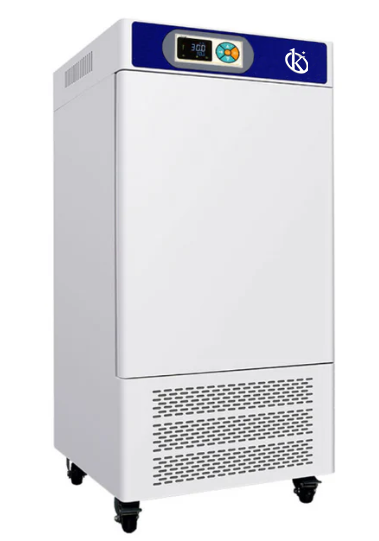
Maximizing Energy Sustainability with Constant Temperature and Humidity Incubators
As laboratory professionals strive to address energy sustainability and environmental impact, constant temperature and humidity incubators play a critical role. These devices are essential not just for maintaining optimal conditions for biological and chemical processes, but also for promoting energy-efficient practices. In this guide, we will explore the features of various models, including the YR02053, YR02054, and YR02055, focusing on their contributions to energy sustainability.
Understanding Energy Sustainability in Laboratories
Energy sustainability is the ability to meet current energy needs without compromising the ability of future generations to meet theirs. Laboratories are often high consumers of energy due to their specialized equipment and continuous operation. Implementing energy-efficient technologies, such as constant temperature and humidity incubators, can significantly minimize the carbon footprint and reduce operational costs.
Comparison of Available Models
| Model | Temperature Range (°C) | Power Consumption (kW) | Best For |
|---|---|---|---|
| YR02053 | 0 ~ 60 | 0.4 | Biological research and drug testing |
| YR02054 | 0 ~ 60 | 0.6 | Aquaculture and health prevention |
| YR02055 | 0 ~ 60 | 0.8 | Environmental and water analysis |
Key Features Contributing to Energy Efficiency
Each of the models discussed not only meets the basic requirements of temperature and humidity control but also incorporates features that enhance energy efficiency:
- Automatic Defrost Function: This feature in all models prevents ice build-up, leading to improved energy efficiency.
- Magnetic Door Seal: This design minimizes energy loss by ensuring that the incubator retains its internal conditions.
- Stainless Steel Interior: The smooth surface reflects heat effectively, requiring less energy to maintain temperature.
Assessing Energy Consumption: A Technical Breakdown
Understanding energy consumption is crucial for assessing operational costs. Here’s a breakdown of energy consumption for the three models:
| Model | Average kWh per Day | Annual Energy Cost (USD) |
|---|---|---|
| YR02053 | 9.6 | 350 |
| YR02054 | 14.4 | 525 |
| YR02055 | 19.2 | 700 |
Common Mistakes and How to Avoid Them
Laboratory professionals often make mistakes that can lead to inefficient energy use:
- Overloading Units: Ensure that the incubator is not overloaded, as this can strain the energy system.
- Ignoring Calibration: Regular calibration ensures accurate temperature and humidity controls, preventing energy wastage.
- Neglecting Maintenance: Routine maintenance keeps the incubator running efficiently and helps avoid unexpected energy spikes.
Frequently Asked Questions
How does the YR02053 incubator support energy sustainability in laboratory applications?
The YR02053 incubator, designed for biological research, operates with a power consumption of just 0.4 kW, making it energy-efficient while maintaining optimal conditions for experiments and research.
What is the average energy cost for using the YR02054 incubator in a year?
The YR02054 incubator, primarily used for aquaculture and health prevention, has an annual energy cost of approximately $525, ensuring efficient use of resources.
Which features make the YR02055 incubator ideal for environmental analysis?
The YR02055 incubator, tailored for environmental and water analysis, includes an automatic defrost function that enhances its energy efficiency, making it perfect for laboratory settings focused on sustainability.
How can laboratories reduce their energy footprint when using incubators?
Laboratories can reduce their energy footprint by utilizing incubators like the YR02053, which minimizes energy consumption through features such as a magnetic door seal and stainless steel interiors.
What specifications should be considered when choosing a constant temperature incubator for energy efficiency?
When selecting a constant temperature incubator, consider specifications like power consumption (kW), temperature range (°C), and energy-saving features, such as those found in the YR02054 incubator.
What are the benefits of using stainless steel interiors in incubators?
Stainless steel interiors, as seen in models like the YR02055, reflect heat efficiently, leading to lower energy consumption and improved temperature stability.
How does the design of the YR02054 model contribute to its sustainability?
The YR02054 model's dual-door design and energy-efficient features help minimize energy loss and improve the incubator's overall sustainability in laboratory settings.
What role does automatic defrost play in reducing energy use in incubators?
Automatic defrost, featured in all discussed models, prevents ice build-up and ensures that incubators maintain efficient energy use by reducing unnecessary power consumption.
Conclusion
Adopting constant temperature and humidity incubators like the YR02053, YR02054, and YR02055 not only enhances the laboratory's operational efficiency but also contributes to energy sustainability. By understanding the features and benefits of these models, laboratory professionals can make informed decisions that align with environmental goals.
If you are looking for a fusion of innovation and quality, you have come to the right place. At Kalstein, we offer you the luxury of exploring our exclusive catalog of laboratory equipment. We manufacture every device to the highest standards of excellence. Our intuitive and seamless online purchasing channels are designed for your convenience, securing the most competitive prices. Hesitate no longer — we bring science to life, it is time to become part of our community.