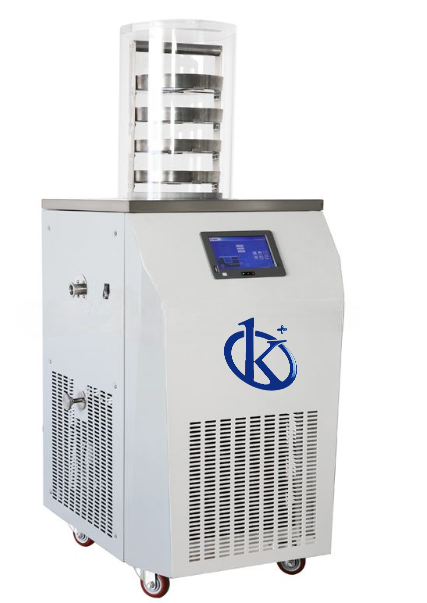
Maximizing Return on Investment in Laboratory Freeze Drying: A Comprehensive Analysis
In the evolving landscape of laboratory operations, maximizing return on investment (ROI) through effective freeze-drying processes is more critical than ever. Laboratory freeze dryers—particularly vertical laboratory freeze dryers—play a pivotal role in sectors such as pharmaceuticals, biotechnology, and food preservation. The aim of this article is to explore cost-benefit analysis and the ROI potential of various models within this category, helping laboratory professionals make informed decisions.
Understanding ROI in Laboratory Freeze Drying
ROI in laboratory freeze-drying refers to the financial gains realized from investments in freeze-drying equipment compared to the costs incurred. Factors influencing ROI include initial capital expenditure (CAPEX), operational costs (OPEX), maintenance expenses, and the productivity of the freeze drying process. A thorough analysis of these aspects can guide labs in their purchasing decisions.
Comparison of Available Models
| Model | CAPEX (USD) | Cost per Batch (USD) | Payback Period (Months) | Best Suitable For |
|---|---|---|---|---|
| YR05198 | 4392.00 | Estimated $100 | 12 | Routine laboratory applications |
| YR05199 | 4882.00 | Estimated $110 | 14 | Medium-scale operations |
| YR05200 | 4178.00 | Estimated $95 | 10 | Small laboratory setups |
| YR05201 | 5061.00 | Estimated $120 | 15 | High-capacity requirements |
| YR05985-1 | 16800.00 | Estimated $150 | 20 | Fruits and vegetables processing |
| YR05985-2 | 21000.00 | Estimated $160 | 22 | Large volume commercial applications |
Key Financial Metrics for Freeze Drying
Understanding key financial metrics is essential when evaluating ROI for freeze dryers. Common metrics include CAPEX, OPEX, cost per batch, and expected lifecycle. For instance, the YR05198 model, with a CAPEX of $4392, can yield an estimated cost per batch of $100, leading to a payback period of approximately 12 months. In contrast, the YR05985-2 model, with a higher initial investment of $21000, serves larger commercial applications, resulting in a higher batch cost but potentially greater output and ROI over time.
Common Mistakes and How to Avoid Them
Laboratories often make critical errors when investing in freeze dryers. One common mistake is underestimating operational costs associated with maintenance and consumables. Additionally, failing to conduct a thorough cost-benefit analysis may lead to over-investment in models like YR05985-2, where the features may exceed the operational needs of the lab. To avoid these pitfalls, laboratories should conduct comprehensive ROI analyses and evaluate their specific needs based on throughput and application.
Energy Consumption and Sustainability Considerations
Energy consumption is an important component of operational costs in freeze-drying processes. For example, the YR05199 model offers energy efficiency features that can significantly reduce operating expenses over time. Labs can benefit from examining kWh usage per run and implementing strategies to minimize waste. Investing in energy-efficient models can enhance sustainability and reduce the overall cost per batch.
Productivity Optimization Through Advanced Features
The integration of advanced features in models like the YR05985 series allows for enhanced throughput and productivity. By automating processes and optimizing temperature control, these models can maximize production efficiency. For instance, the YR05985-1 can handle a larger volume while maintaining quality, making it ideal for bulk processes in food preservation.
Evaluating Long-Term Value Beyond Initial Costs
When assessing ROI, it is crucial to consider long-term value. Models should be evaluated based on their lifespan, reliability, and support services offered. The YR05200 model, for instance, may offer lower initial costs but should also be evaluated on its capacity to perform routine freeze drying effectively over time, ensuring sustained returns.
Frequently Asked Questions
What are the typical costs associated with operating a vertical laboratory freeze dryer?
The costs associated with operating a vertical laboratory freeze dryer, such as the YR05198, typically include energy expenses and maintenance costs, which can accumulate to approximately $100 per batch depending on usage and efficiency.
How can I determine the best vertical freeze dryer for my laboratory needs?
Evaluating the best vertical freeze dryer for your laboratory requires analyzing factors like batch size, operational costs, and specific applications. For instance, the YR05201 is suitable for high-capacity needs, while the YR05200 is ideal for smaller setups.
What long-term ROI can I expect from investing in a freeze dryer model?
Investing in a freeze dryer like the YR05199 can yield significant long-term ROI through reduced operational costs and increased throughput, with payback periods averaging around 14 months based on productivity.
Which freeze dryer model is best for small-scale laboratories?
The YR05200 model is an excellent choice for small-scale laboratories due to its lower initial investment and efficiency in routine freeze-drying applications, facilitating cost-effective operations.
How do energy costs impact the ROI of freeze dryers?
Energy costs significantly impact the ROI of freeze dryers. Models with energy-efficient features, like the YR05199, can reduce operational costs, thereby improving overall profitability and shortening payback periods.
What maintenance costs should I consider for vertical freeze dryers?
Maintenance costs for vertical freeze dryers, such as the YR05201, may include routine servicing and replacement of consumables. On average, labs should budget an additional $500 annually for maintenance to ensure optimal performance.
How does freeze dryer capacity affect operational efficiency?
Freeze dryer capacity directly affects operational efficiency. For example, larger models like the YR05985-2 can handle greater volumes, which increases throughput and reduces costs per batch, making them suitable for commercial applications.
What factors contribute to the depreciation of freeze dryer equipment?
Factors contributing to the depreciation of freeze dryer equipment include technological advancements, wear and tear, and market demand. Proper maintenance, especially for models like the YR05198, can help mitigate rapid depreciation.
If you are looking for a fusion of innovation and quality, you have come to the right place. At Kalstein, we offer you the luxury of exploring our exclusive catalog of laboratory equipment. We manufacture every device to the highest standards of excellence. Our intuitive and seamless online purchasing channels are designed for your convenience, securing the most competitive prices. Hesitate no longer — we bring science to life, it is time to become part of our community.