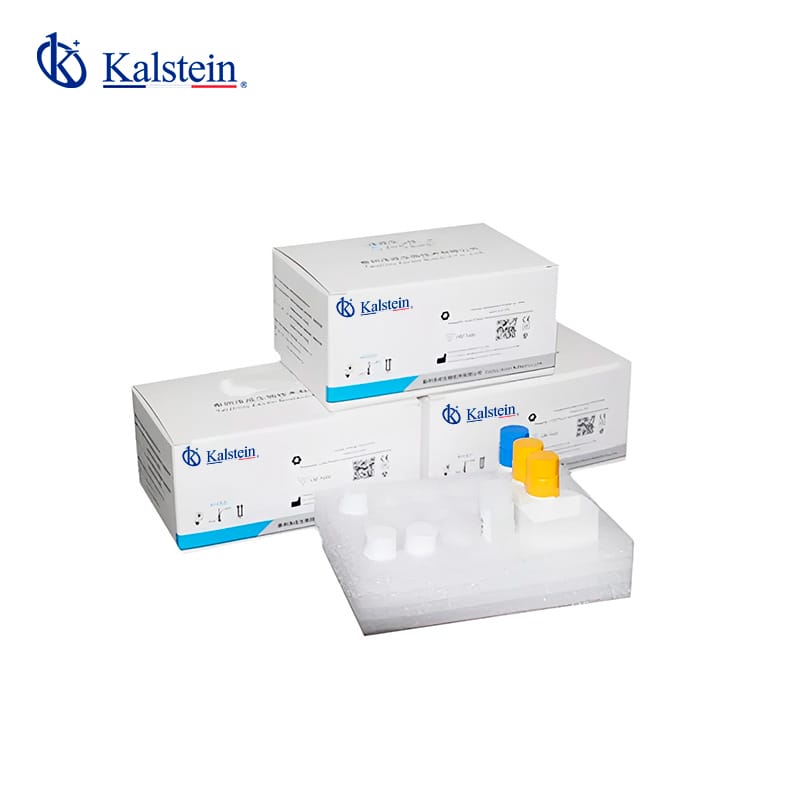
Maximizing ROI with Chemiluminescence Reagents in Laboratory Settings
Chemiluminescence reagents are essential tools in laboratory diagnostics, particularly for assessing thyroid function through comprehensive testing. The financial implications of selecting the right chemiluminescence reagents are profound, especially when viewed through the lens of ROI and cost-benefit analysis. In this article, we will delve into how these reagents can enhance your laboratory's efficiency, reduce costs, and ultimately boost profitability.
Understanding ROI in the Context of Chemiluminescence Reagents
Return on investment (ROI) is a critical metric for laboratories aiming to optimize their operations and enhance profitability. Chemiluminescence reagents, such as the Thyroid Disease Test Kits (YRA279, YRA280, YRA281, YRA282, YRA283, YRA284), play a pivotal role in achieving this goal by providing accurate, reliable, and efficient test results.
By investing in high-quality chemiluminescence reagents, laboratories can significantly reduce operational costs, shorten turnaround times, and improve the accuracy of test results. This section will explore various financial metrics related to these investments, including CAPEX, OPEX, and cost per test, providing a detailed overview of the benefits they offer.
Key Financial Metrics for Chemiluminescence Reagents
To fully understand the ROI associated with chemiluminescence reagents, it is essential to evaluate several key financial metrics:
- Capital Expenditure (CAPEX): Initial investment in reagents and equipment.
- Operational Expenditure (OPEX): Ongoing costs associated with running tests.
- Cost Per Test: Average cost incurred for each test performed using chemiluminescence reagents.
For instance, the Thyroid Disease Test Kit YRA279 has a cost of $15.00 per test, demonstrating its cost-effectiveness when utilized in high-throughput laboratory environments.
Comparison of Available Models
| Model | Cost per Test (USD) | Recommended Scenario | Key Features |
|---|---|---|---|
| YRA279 | 15.00 | High volume testing | Comprehensive thyroid test panel |
| YRA280 | 15.00 | Standard laboratory settings | Multiple thyroid markers |
| YRA281 | 15.00 | Routine diagnostics | Highly reliable results |
| YRA282 | 15.00 | Efficient patient management | Quick turnaround time |
| YRA283 | 15.00 | Emergency diagnostics | Critical parameter testing |
| YRA284 | 35.00 | Research applications | Advanced analytical capabilities |
Cost-Benefit Analysis of Chemiluminescence Reagents
Conducting a thorough cost-benefit analysis is essential for understanding the financial advantages of using chemiluminescence reagents. This analysis should include factors such as:
- Initial cost versus long-term savings.
- Impact on personnel efficiency and throughput.
- Improvement in patient outcomes and satisfaction.
By implementing chemiluminescence testing, laboratories can expect to see a reduced time to diagnosis, enhancing overall laboratory productivity. For example, opting for the YRA284 kit may lead to a more efficient workflow in research applications, justifying its higher cost per test due to its advanced capabilities.
Common Mistakes and How to Avoid Them
Laboratories often make several common mistakes when selecting chemiluminescence reagents, which can lead to inefficient operations and wasted resources. Here are key pitfalls to avoid:
- Neglecting to evaluate total costs: Consider both CAPEX and OPEX when determining the best chemiluminescence reagents for your lab.
- Overlooking compatibility: Ensure the selected reagents align with existing laboratory equipment to avoid additional costs.
- Ignoring quality control: Regularly assess the performance of chemiluminescence tests to maintain accuracy and reliability.
By addressing these issues, laboratories can enhance their ROI when investing in chemiluminescence reagents.
Frequently Asked Questions
What is the average cost per test for chemiluminescence reagents?
The average cost per test for chemiluminescence reagents like the Thyroid Disease Test Kit YRA279 is approximately $15.00. This cost-effectiveness makes it appealing for high-volume testing scenarios.
How does investing in chemiluminescence reagents affect lab efficiency?
Investing in chemiluminescence reagents can significantly improve lab efficiency by reducing testing time and increasing throughput. For instance, utilizing the YRA282 kit streamlines workflows, enabling quicker patient results.
Which chemiluminescence test kit is best for routine diagnostics?
The Thyroid Disease Test Kit YRA281 is best suited for routine diagnostics due to its reliability and comprehensive testing capabilities, providing essential markers for thyroid function assessment.
How can a laboratory measure the ROI of chemiluminescence reagent investments?
To measure ROI, laboratories should analyze key financial metrics, such as CAPEX, OPEX, and cost per test. Using the YRA280 kit’s cost of $15.00 per test as a baseline, a lab can evaluate overall savings against initial investments.
What common mistakes should labs avoid with chemiluminescence reagents?
Common mistakes include neglecting total costs, overlooking compatibility, and failing to maintain quality control. Addressing these issues ensures laboratories maximize their investment in chemiluminescence reagents.
How do chemiluminescence reagents enhance patient outcomes?
Chemiluminescence reagents enhance patient outcomes by providing rapid and accurate test results, which facilitate timely diagnoses and treatment. Kits like YRA283 are particularly valuable in urgent clinical settings.
What factors contribute to the cost-effectiveness of chemiluminescence reagents?
Factors contributing to cost-effectiveness include low cost per test, high throughput, and minimal reagent waste. For example, the YRA284 kit offers advanced capabilities while maintaining competitive pricing, enhancing its value.
What is the impact of chemiluminescence reagents on laboratory throughput?
Chemiluminescence reagents, such as the Thyroid Disease Test Kits, significantly increase laboratory throughput by enabling rapid testing and processing, thus enhancing overall operational efficiency.
If you are looking for a fusion of innovation and quality, you have come to the right place. At Kalstein, we offer you the luxury of exploring our exclusive catalog of laboratory equipment. We manufacture every device to the highest standards of excellence. Our intuitive and seamless online purchasing channels are designed for your convenience, securing the most competitive prices. Hesitate no longer — we bring science to life, it is time to become part of our community.