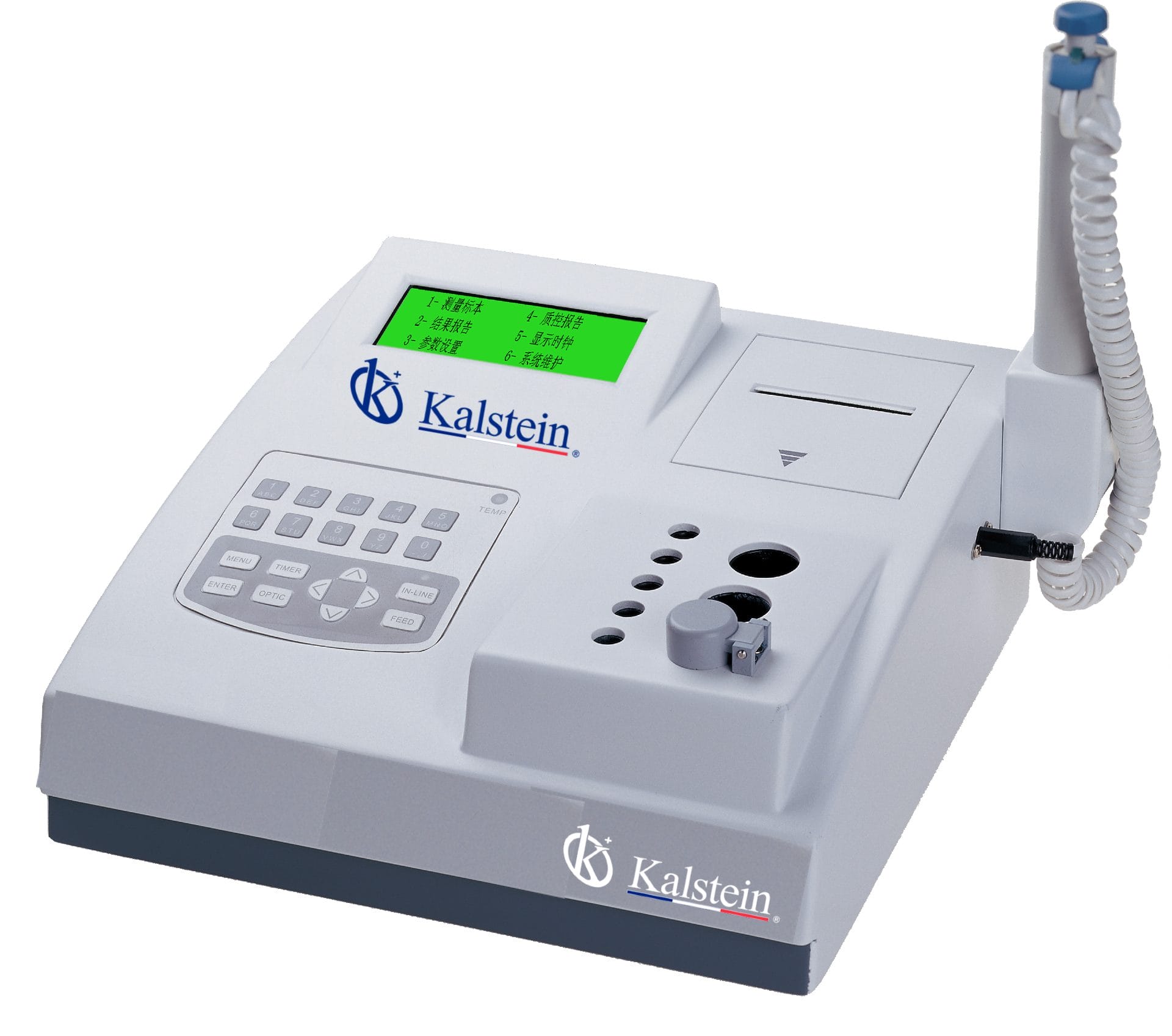
Maximizing ROI Through Cost-Benefit Analysis of Coagulation Analyzers
In the realm of laboratory diagnostics, coagulation analyzers stand out as crucial instruments for assessing blood coagulation, vital for various clinical decisions. Evaluating the return on investment (ROI) and conducting a comprehensive cost-benefit analysis are essential for laboratories looking to optimize their resources and improve patient outcomes. This article delves into the intricacies of ROI and cost-benefit metrics for different coagulation analyzer models, focusing on how these analyses guide purchasing decisions and operational efficiency.
Understanding the Importance of ROI in Laboratory Equipment
The ROI of laboratory equipment such as coagulation analyzers is not merely a financial measure; it encompasses productivity, workflow efficiency, and clinical outcomes. Understanding the ROI helps laboratories justify their expenditures and align their equipment investments with strategic goals. By calculating the ROI, labs can determine how effectively they are utilizing their funds and whether their current equipment meets the evolving demands of clinical practice.
Key Metrics for Cost-Benefit Analysis of Coagulation Analyzers
A comprehensive cost-benefit analysis includes evaluating both direct and indirect costs associated with coagulation analyzers. Direct costs include purchase price, maintenance expenses, reagent costs, and operational costs per test. Indirect costs may involve training staff, downtime during equipment failures, and the impact on patient care. Balancing these factors is crucial to understanding the real benefits gained from investing in coagulation analyzers.
Comparative Analysis of Coagulation Analyzers
In this section, we present a comparative overview of various coagulation analyzers based on their operational costs, features, and benefits, helping laboratories make informed decisions on their investments.
| Model | Initial Cost (USD) | Operational Cost per Test (USD) | Expected Payback Period (Months) | Best For |
|---|---|---|---|---|
| YR05117 | 750.00 | 1.50 | 12 | Small to Medium Labs |
| YR05118 | 600.00 | 1.20 | 10 | Budget-Conscious Labs |
| YR06083 | 13000.00 | 1.00 | 18 | High-Volume Testing |
| YR06082 | 6800.00 | 1.10 | 15 | Mid- to High-Volume Labs |
Factors Influencing ROI in Coagulation Analyzers
Several factors influence the ROI of coagulation analyzers, including initial cost, reagent consumption, test throughput, and maintenance needs. For instance, models like YR06083, although higher in initial cost, benefit from lower operational costs per test, which may yield better ROI over time. Laboratories should consider their testing volume and budget to choose the most beneficial model.
Assessment of Consumable Costs
Consumable costs significantly impact the overall ROI of coagulation analyzers. These costs include reagents and disposables required to perform tests. Analyzing the consumable costs for each model is crucial. For example, YR05117 has a reagent consumption of less than 2µL per test, which can lead to cost savings in high-volume settings.
Benchmarking Against Industry Standards
Comparing the performance of coagulation analyzers against industry benchmarks can help laboratories gauge their efficiency. Metrics such as accuracy, speed, and user satisfaction play a role in assessing how well an analyzer meets laboratory needs. Accurate performance can lead to better patient outcomes, which indirectly affects ROI.
Common Mistakes and How to Avoid Them
Laboratories often make mistakes during the procurement process that can lead to suboptimal decisions. Common pitfalls include neglecting total cost of ownership, failing to consider future scalability, and not involving end-users in the decision-making process. By addressing these issues and conducting thorough research, labs can enhance their procurement strategies.
Frequently Asked Questions
How can I calculate the ROI for a coagulation analyzer in my lab?
To calculate the ROI for a coagulation analyzer like the YR05118, consider factors such as initial cost, operational costs, and the number of tests conducted. Divide the net profit generated from the analyzer by its total cost to derive the ROI percentage, helping to evaluate its financial impact on your lab.
What are the operational costs associated with different coagulation analyzer models?
Operational costs vary significantly across models. For instance, the YR06083 has a cost per test estimated at $1.00, while the YR05118 is around $1.20. Analyzing these costs is crucial for understanding which model best fits your lab’s budget and testing volume.
Which coagulation analyzer offers the best cost-saving features?
The YR05117, with a reagent consumption of less than 2µL, stands out for its cost-saving features, especially in high-volume labs. This model minimizes reagent waste, directly contributing to lower operational expenses and an improved ROI.
How does reagent cost affect the overall performance of coagulation analyzers?
Reagent costs directly impact the operational cost per test for coagulation analyzers. For example, the lower reagent consumption of the YR05118 leads to reduced costs and better overall performance, making it a cost-effective choice for many laboratories.
What factors should be considered when selecting a coagulation analyzer?
Key factors include initial purchase cost, operational costs per test, throughput capabilities, and maintenance requirements. Evaluating these criteria will help labs select an analyzer like the YR06082 that aligns with their specific operational needs.
How can I assess the total cost of ownership for coagulation analyzers?
The total cost of ownership includes the purchase price, maintenance costs, reagent expenses, and any necessary training. By calculating these factors for models like the YR06083, labs can gain a comprehensive view of their financial commitment.
What advantages does a high-cost coagulation analyzer provide?
A high-cost coagulation analyzer, such as the YR06083, often provides advanced features, higher throughput, and lower operational costs per test. While the initial investment is significant, the long-term benefits can lead to a favorable ROI for high-volume laboratories.
How do labor costs factor into the ROI of coagulation analyzers?
Labor costs are a crucial component of ROI calculations. An efficient coagulation analyzer like the YR05117 can reduce test turnaround times and operator workload, translating to lower labor costs and improved ROI for the laboratory.
If you are looking for a fusion of innovation and quality, you have come to the right place. At Kalstein, we offer you the luxury of exploring our exclusive catalog of laboratory equipment. We manufacture every device to the highest standards of excellence. Our intuitive and seamless online purchasing channels are designed for your convenience, securing the most competitive prices. Hesitate no longer — we bring science to life, it is time to become part of our community.