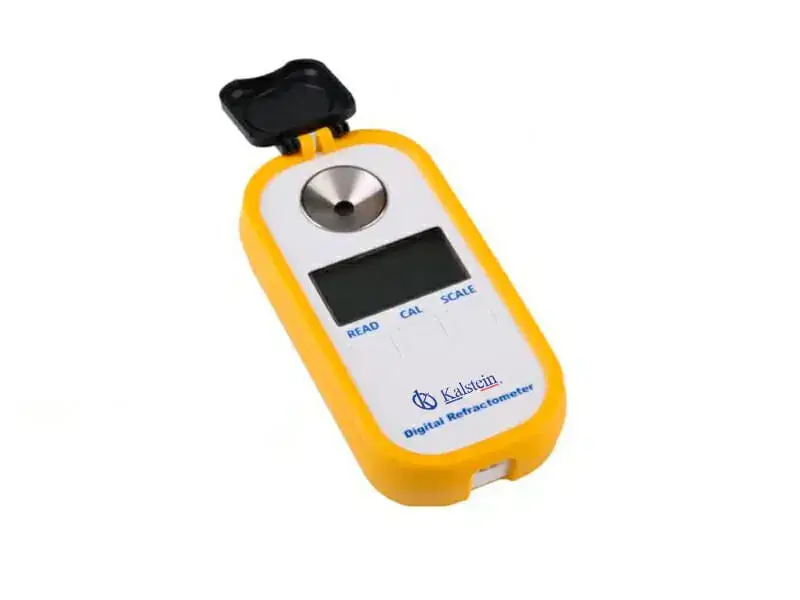
Maximizing ROI and Cost-Benefit Analysis for Digital Salinity Refractometers
The selection of the right laboratory equipment is crucial for optimizing performance and ensuring accurate measurements. Digital Salinity Refractometers are essential tools in various fields including marine biology, agriculture, and environmental science. Understanding the return on investment (ROI) and conducting a comprehensive cost-benefit analysis for these devices can significantly enhance operational efficiency and reduce long-term costs. This article explores various models of Digital Salinity Refractometers, focusing on their economic advantages and application in laboratory settings.
Understanding ROI and Cost-Benefit Analysis in Laboratory Equipment
Return on investment (ROI) in laboratory equipment refers to the financial gains obtained from the use of a particular device compared to its initial and ongoing costs. A robust cost-benefit analysis (CBA) allows laboratory managers to understand the value of an investment over time. In the context of Digital Salinity Refractometers, several factors need consideration, including purchase price, maintenance costs, and expected lifespan. By analyzing these aspects, professionals can make informed decisions that align with their budget and operational goals.
Comparative Analysis of Digital Salinity Refractometer Models
This section provides an overview of the available Digital Salinity Refractometer models, comparing their features, specifications, and economic viability. The following table summarizes the critical data for each model.
| Model | Measurement Range | Minimum Division | Accuracy | ATC | Price (USD) |
|---|---|---|---|---|---|
| YR05953 | 0.0–28.0% | 0.10% | ±0.1% | Yes | 76.00 |
| YR05954 | 0–280‰ | 1‰ | ±1‰ | Yes | 76.00 |
| YR05955 | 1.000-1.217 | 0.001 | ±0.002 | Yes | 76.00 |
| YR05956 | 1.3330–1.3900nD | 0.0001nD | ±0.0003nD | Yes | 76.00 |
| YR05957 | 0—100‰ | 1‰ | ±2‰ | Yes | 76.00 |
| YR05958 | 0–57‰ | 1‰ | ±2‰ | Yes | 76.00 |
| YR05959 | 1.000-1.070 | 0.001 | ±0.002 | Yes | 76.00 |
| YR05960 | 1.3330–1.3530nD | 0.0001nD | ±0.0003nD | Yes | 76.00 |
Evaluating Operational Costs and Benefits
When evaluating Digital Salinity Refractometers, it is crucial to consider both operational costs and the benefits these devices provide. Operational costs typically include energy consumption, maintenance, and consumables. For instance, models like the YR05953 and YR05954 provide precise measurements without the need for complex calibration, thereby reducing maintenance costs over time.
Additionally, when considering the capabilities of each model, one must evaluate their applicability to different scenarios. For example, YR05954, with its wide measurement range, is ideally suited for laboratories dealing with varying salinity levels, thus maximizing its utility and ROI.
Importance of Automatic Temperature Compensation (ATC)
Automatic Temperature Compensation (ATC) is a critical feature in Digital Salinity Refractometers, enabling accurate readings across varying temperatures. This feature eliminates the need for manual adjustments, thus saving time and ensuring consistency in results. With ATC, models such as YR05953 and YR05954 can operate efficiently in temperatures ranging from 0 to 40°C, which is vital for many laboratory applications.
The benefits of ATC enhance the overall user experience, contributing to higher productivity and reliability in measurements. This, in turn, translates to cost savings, as less time is spent on recalibration and more on productive laboratory work.
Common Mistakes and How to Avoid Them
In laboratory settings, common mistakes can undermine the effectiveness of using Digital Salinity Refractometers. One prevalent error is neglecting to consider the specific measurement range required for the intended application. For example, using a model like YR05953 when a wider range like the YR05954 is needed may lead to inaccurate results.
Furthermore, failing to account for the necessary maintenance can lead to increased costs and downtime. Regular maintenance checks and proper usage training ensure that the refractometers perform optimally, thus maximizing ROI and minimizing operational challenges.
Frequently Asked Questions
What are the key factors in evaluating ROI for Digital Salinity Refractometers?
ROI evaluation for Digital Salinity Refractometers includes initial costs, maintenance expenses, and accuracy of measurements. For instance, the YR05953 model's precision can reduce re-testing costs, enhancing overall ROI. Evaluating these factors helps determine the device's total cost of ownership effectively.
How does Automatic Temperature Compensation improve the accuracy of salinity measurements?
Automatic Temperature Compensation (ATC) enhances measurement accuracy by adjusting results based on temperature fluctuations. Models like YR05954 feature ATC, ensuring reliable readings even in varying laboratory conditions. This capability reduces the chances of errors and increases confidence in the results.
Which Digital Salinity Refractometer model offers the best cost efficiency?
The YR05954 model provides extensive coverage of salinity measurement at a competitive price of $76.00. Its range of 0–280‰ and ATC feature maximizes cost efficiency, making it suitable for various applications, thereby improving ROI and minimizing operational costs.
What is the expected lifespan of Digital Salinity Refractometers?
Digital Salinity Refractometers typically have a lifespan of 5-10 years, depending on usage and maintenance practices. Models like YR05956, when properly maintained, can provide consistent performance throughout their lifespan, thus maximizing ROI through prolonged use.
How can I minimize operational costs when using a refractometer?
Minimizing operational costs involves regular maintenance and selecting models with ATC, like YR05953. This reduces the need for recalibration and training costs. Additionally, using the refractometer efficiently ensures consistent results, reducing consumable expenses.
What are the primary applications for Digital Salinity Refractometers?
Digital Salinity Refractometers are primarily used in marine biology, agriculture, and environmental monitoring. Models such as YR05954 are ideal for testing water salinity in aquaculture, ensuring optimal conditions for aquatic life and effective resource management.
How does the measurement range affect the choice of refractometer?
The measurement range determines the suitability of a refractometer for specific applications. For example, the YR05957 model is designed for lower salinity measurements (0—100‰), making it ideal for freshwater studies, whereas YR05954 covers a broader range, suitable for varied environments.
What are the common mistakes made when using Digital Salinity Refractometers?
Common mistakes include neglecting proper calibration and not utilizing ATC features. For instance, failing to account for temperature variations can lead to inaccurate results. Models with ATC, like YR05954, help mitigate this issue, ensuring reliability.
If you are looking for a fusion of innovation and quality, you have come to the right place. At Kalstein, we offer you the luxury of exploring our exclusive catalog of laboratory equipment. We manufacture every device to the highest standards of excellence. Our intuitive and seamless online purchasing channels are designed for your convenience, securing the most competitive prices. Hesitate no longer — we bring science to life, it is time to become part of our community.