Maximizing ROI and Cost-Benefit Analysis for Histopathology Laboratories
In the fast-evolving world of histopathology, laboratories face the continual need to improve efficiency while ensuring high-quality outcomes. Understanding the return on investment (ROI) and performing a thorough cost-benefit analysis is crucial for making informed decisions about consumables and equipment. This article delves into the aspects of maximizing ROI and cost-benefit strategies specific to histopathology labs, focusing on a range of consumables.
Understanding ROI in Histopathology Laboratories
ROI is a crucial metric for assessing the profitability of investments made in laboratory equipment and consumables. For histopathology labs, where precision and accuracy are paramount, the calculation of ROI involves evaluating the financial returns against the costs incurred. This encompasses initial investment (CAPEX), operational costs (OPEX), and the impact of consumables on the workflow and efficiency.
Analyzing Cost-Benefit for Histopathology Consumables
A comprehensive cost-benefit analysis allows laboratories to weigh the benefits of consumables against their costs. In histopathology, consumables such as microtome blades, embedding cassettes, and paraffin blocks play critical roles. By evaluating these items not only on purchase price but also on performance, error reduction, and time savings, labs can make well-informed purchasing decisions.
Key Consumables Impacting ROI: A Closer Look
The following consumables are essential in histopathology, and understanding their impact on ROI is crucial:
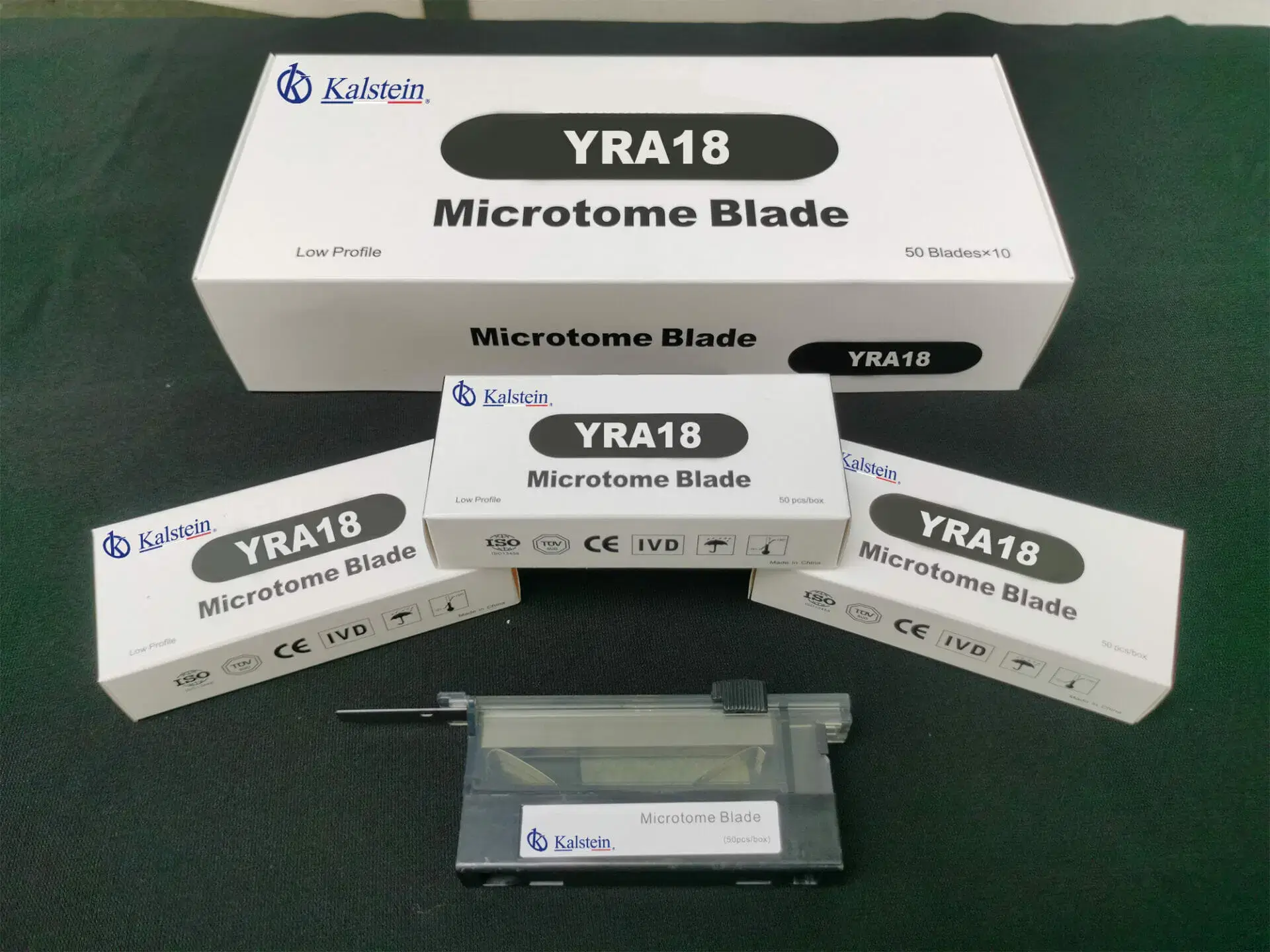
- Disposable Microtome Blades (Low Profile) YRA18-1: Ideal for standard tissue slicing, these blades help reduce errors and time spent on sample processing.
- Disposable Microtome Blades (High Profile) YRA19-1: Specifically designed for larger specimens, they enhance quality and output for complex tissue samples.
- Tissue Embedding Cassette YRA20-1: With a high volume of 9000 pieces, these cassettes optimize the workflow in embedding processes.
- Plastic Cassette with Plastic Cover YRA21-1: Offering robustness with a quantity of 4000, they ensure the protection of samples during histological processing.
- Paraffin Block YRA33-2: At 10kg per carton, these blocks are essential for high-quality histological examination.
- Granular Paraffin YRA33-3: An economical choice for embedding, allowing for significant bulk savings.
Comparison of Available Models
| Model | CAPEX (USD) | Cost per test | Payback (months) | Recommended scenario |
|---|---|---|---|---|
| YRA18-1 | 10000.00 | 0.40 | 12 | Standard tissue slicing |
| YRA19-1 | 1600.00 | 0.80 | 8 | Large specimen processing |
| YRA20-1 | 252.00 | 0.03 | 3 | High-volume embedding |
| YRA21-1 | 144.00 | 0.04 | 2 | Sample protection |
| YRA33-2 | 60.00 | 0.02 | 1 | Embedding support |
| YRA33-3 | 60.00 | 0.01 | 0.5 | Bulk embedding |
Common Mistakes and How to Avoid Them
Laboratories often make common mistakes that can affect their ROI and cost-effectiveness. One frequent error is undervaluing the importance of quality in consumables; opting for cheaper alternatives can lead to increased errors and wasted time. Another mistake is neglecting to evaluate the total cost of ownership, including maintenance and operational costs, which can skew true ROI calculations. To avoid these pitfalls, labs should establish a standard protocol for evaluating consumables based on metrics such as performance, reliability, and cost-effectiveness.
Optimizing Workflow Efficiency with Consumables
Efficiency in laboratory workflows can be significantly enhanced through smart choices in consumables. For instance, using the right microtome blades can reduce the number of re-cuts required, saving time and resources. Additionally, integrating high-volume embedding cassettes like YRA20-1 can streamline the embedding process, allowing for faster turnaround times, which is critical in high-demand environments.
Cost Reduction Strategies in Histopathology Labs
To improve cost efficiency, labs can implement strategies such as bulk purchasing, which can lower the cost per unit for consumables like the YRA33-3 granular paraffin. Moreover, investing in high-quality tools can prevent operational disruptions, thereby reducing indirect costs associated with errors and reprocessing. Regular evaluations of consumable usage against performance metrics can also identify areas for cost savings.
Frequently Asked Questions
How does investing in high-profile microtome blades affect lab efficiency?
Investing in high-profile microtome blades like the YRA19-1 can significantly enhance lab efficiency by improving the quality of cuts and reducing the need for resection. This leads to a decrease in processing time, ultimately benefiting throughput in histopathology labs.
What is the expected ROI when using tissue embedding cassettes in a lab?
The expected ROI when using tissue embedding cassettes such as the YRA20-1 is generally high due to their bulk availability (9000 pieces) and low cost per test (0.03 USD), making them an economical choice for high-volume labs.
How can plastic cassettes improve sample processing efficiency?
Plastic cassettes like the YRA21-1 improve sample processing efficiency by providing a robust structure that protects samples during histological procedures, thus reducing the risk of contamination and ensuring consistent results.
What cost-saving benefits do granular paraffin products offer?
Granular paraffin products like YRA33-3 offer cost-saving benefits by providing high-quality embedding material at a lower price (60 USD for 10 kg), making them ideal for labs looking to minimize their expenses while maintaining quality.
How do microtome blades influence the cost-effectiveness of tissue slicing?
Microtome blades such as YRA18-1 influence cost-effectiveness by ensuring precision in tissue slicing, which reduces wastage and error rates, leading to lower overall operational costs in histopathology labs.
What factors should labs consider for a comprehensive cost-benefit analysis?
In a comprehensive cost-benefit analysis, labs should consider factors like initial capital expenditure (CAPEX), operational costs (OPEX), time efficiency, and the quality of results produced. This holistic view ensures the best consumable choices are made.
Which models are best for reducing operational costs in histopathology?
Models like YRA20-1 for embedding and YRA33-2 for paraffin blocks are best for reducing operational costs, as they offer high volumes at competitive prices, thus ensuring fewer interruptions and more efficient sample processing.
How can histopathology labs enhance their ROI through consumable selection?
Histopathology labs can enhance their ROI by selecting consumables such as the YRA19-1 and YRA20-1, which not only improve workflow but also reduce long-term costs through efficient performance and reduced error rates.
If you are looking for a fusion of innovation and quality, you have come to the right place. At Kalstein, we offer you the luxury of exploring our exclusive catalog of laboratory equipment. We manufacture every device to the highest standards of excellence. Our intuitive and seamless online purchasing channels are designed for your convenience, securing the most competitive prices. Hesitate no longer — we bring science to life, it is time to become part of our community.