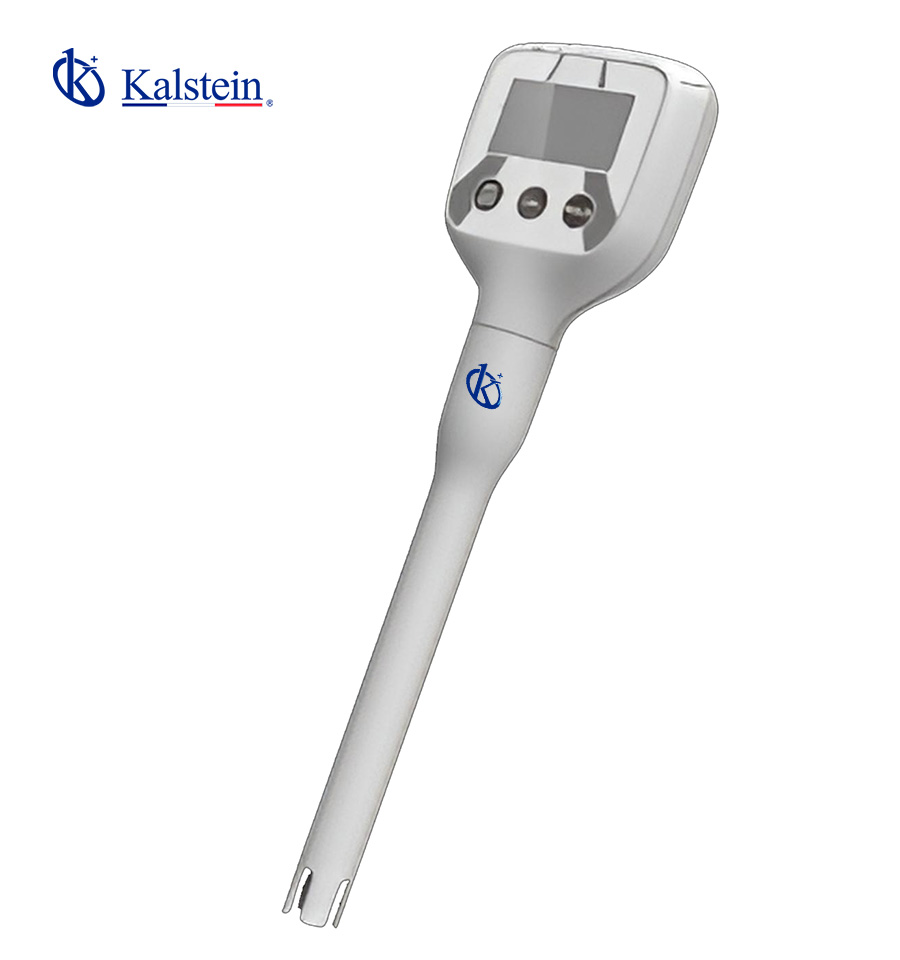
Maximizing ROI and Cost-Benefit Analysis for Portable Conductivity Meters
In the realm of laboratory operations, the selection of instruments such as portable conductivity meters plays a crucial role in achieving both efficiency and cost-effectiveness. Understanding the return on investment (ROI) and conducting a thorough cost-benefit analysis can significantly impact the operational budget and improve laboratory outcomes.
Understanding the Importance of ROI and Cost-Benefit Analysis
ROI and cost-benefit analysis are essential for laboratory managers to justify investments in equipment and to optimize operational efficiency. By evaluating the financial return relative to the investment made in portable conductivity meters, labs can make informed decisions regarding equipment procurement.
Portable conductivity meters are advantageous in various applications, including water quality testing, environmental monitoring, and food analysis. Evaluating their costs in terms of initial purchase price, maintenance, and operational costs against their efficiency and performance can reveal significant savings over time and improved testing outcomes.
Factors Influencing ROI on Portable Conductivity Meters
Several factors contribute to the ROI of portable conductivity meters, including:
- Initial Investment: The upfront cost of purchasing the equipment, which varies by model.
- Operating Costs: Ongoing costs associated with the use of the meter, such as calibration solutions and maintenance.
- Efficiency: The speed and accuracy of readings, which contribute to operational productivity.
- Longevity: The lifespan of the meter and its reliability in providing consistent results.
Calculating these factors can help laboratories choose the right model that offers the best return for their specific needs.
Comparative Analysis of Portable Conductivity Meters
To better understand the financial implications and performance of various models, the following comparison table outlines key specifications and expected ROI for each portable conductivity meter.
| Model | CAPEX (USD) | Cost per Test (USD) | Payback Period (Months) | Recommended Scenario |
|---|---|---|---|---|
| YR01805 | 24.00 | 0.05 | 6 | Fieldwork and portability |
| YR01806 | 149.00 | 0.10 | 12 | Comprehensive lab analysis |
| YR01808 | 59.00 | 0.08 | 9 | General water testing |
| YR01809 | 62.00 | 0.09 | 10 | Multiparameter testing |
| YR01810 | 65.00 | 0.09 | 10 | Salinity and TDS measurement |
| YR01811 | 50.00 | 0.06 | 8 | Low concentration liquids |
Cost-Benefit Analysis: A Practical Approach
Conducting a cost-benefit analysis involves comparing the financial costs of acquiring and maintaining a portable conductivity meter against the benefits derived from its use. This includes:
- Increased Efficiency: Faster testing times lead to higher throughput.
- Reduction in Errors: More reliable readings minimize the risk of error in analysis.
- Versatility: Multi-range functionality allows for a wider range of applications.
For example, the YR01806 model, with a higher initial cost, provides advanced features that reduce errors and save time, thereby justifying its higher price through increased efficiency over the long term.
Common Mistakes and How to Avoid Them
When conducting ROI and cost-benefit analyses, laboratories often fall into common traps:
- Neglecting Total Cost of Ownership: Focus should be on the full lifecycle cost, not just purchase price.
- Underestimating Maintenance Costs: Regular calibration and maintenance are crucial for the accuracy of portable conductivity meters.
- Ignoring Calibration Needs: Selecting models with easy calibration options can save time and money.
To avoid these pitfalls, ensure thorough research and consider long-term implications and ongoing expenses associated with each model.
Frequently Asked Questions
How does the initial cost of portable conductivity meters affect ROI?
The initial cost of portable conductivity meters, such as the YR01806 priced at $149, significantly affects ROI calculations. A higher upfront cost may result in better features that enhance measurement accuracy and reliability, ultimately leading to improved operational efficiency and lower long-term costs.
What operational savings can portable conductivity meters provide in a lab?
Operational savings from portable conductivity meters can manifest in reduced labor costs and shorter testing times. For instance, the YR01805, with a purchase cost of $24, enables rapid field testing, which can save hours compared to traditional methods, leading to notable cost savings in large-scale operations.
How do calibration requirements impact the cost of ownership for conductivity meters?
Calibration requirements can significantly impact the cost of ownership for conductivity meters. Models like the YR01806 offer automatic calibration features, reducing manual calibration time and associated costs, ensuring accurate measurements with minimal downtime in laboratory operations.
Which portable conductivity meter is best for low-budget labs?
For low-budget labs, the YR01811, priced at $50, is a cost-effective choice. It offers essential features for TDS measurement without incurring high initial costs, making it suitable for labs with limited budgets while still providing reliable results.
What features should be prioritized for portable conductivity meters in fieldwork?
For fieldwork, features such as compact design, water resistance, and automatic calibration are essential. The YR01805 excels in this area, with its IP57 rating and automatic features making it an ideal choice for portable applications.
How can I ensure the longevity of my portable conductivity meter?
To ensure the longevity of your portable conductivity meter, regular maintenance and calibration are crucial. Choosing models like the YR01810 with durable design features and easy maintenance protocols can help extend the lifespan of the instrument.
What impact does measurement accuracy have on laboratory workflows?
Measurement accuracy directly impacts laboratory workflows by ensuring reliable results that reduce re-testing and errors. Models like the YR01806, with high precision, can improve workflow efficiency and reliability in testing, leading to better outcomes.
How do I justify the purchase of a higher-cost conductivity meter?
Justifying the purchase of a higher-cost conductivity meter involves demonstrating the long-term benefits such as improved efficiency, accuracy, and reduced operational costs. For example, the advanced features in the YR01806 can lead to quicker, more accurate testing, offsetting its higher initial cost over time.
If you are looking for a fusion of innovation and quality, you have come to the right place. At Kalstein, we offer you the luxury of exploring our exclusive catalog of laboratory equipment. We manufacture every device to the highest standards of excellence. Our intuitive and seamless online purchasing channels are designed for your convenience, securing the most competitive prices. Hesitate no longer — we bring science to life, it is time to become part of our community.