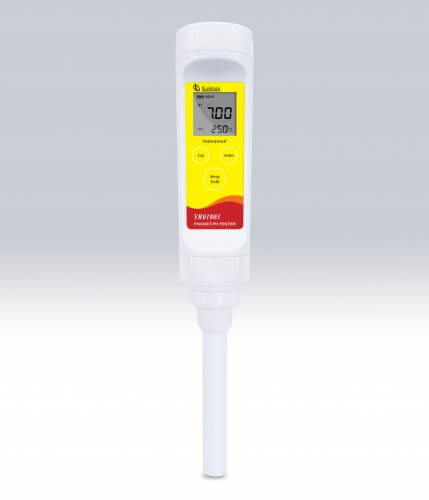
Maximizing ROI and Cost-Benefit Analysis for Portable pH Meters in Laboratories
In today’s laboratory settings, making informed purchasing decisions about equipment like portable pH meters is crucial for maximizing return on investment (ROI) and conducting thorough cost-benefit analyses. This article delves deep into the specifics of how laboratory professionals can evaluate different models of portable pH meters available in the market, while focusing on optimizing costs and enhancing laboratory productivity.
Understanding ROI in the Context of Portable pH Meters
The ROI for laboratory equipment such as portable pH meters can be influenced by several factors, including initial cost, operational efficiency, and longevity. To calculate ROI, labs must consider the total cost of ownership versus the benefits derived from improved accuracy and reduced downtime. This section will explore key metrics including capital expenditures (CAPEX) and operational expenditures (OPEX) to frame the financial viability of investing in portable pH meters.
Cost-Benefit Analysis of Portable pH Meters
Conducting a cost-benefit analysis involves evaluating the expected benefits of using portable pH meters against the costs incurred. Important factors include the cost per test, maintenance costs, and the expected lifespan of the equipment. By analyzing these aspects, laboratories can make informed decisions that align with their budgetary constraints and operational needs.
Comparison of Available Models
| Model | CAPEX (USD) | Cost per Test (USD) | Payback (months) | Recommended Scenario |
|---|---|---|---|---|
| YR01803 | 77.00 | 0.15 | 6 | Testing in small volume samples |
| YR01804 | 75.00 | 0.14 | 5 | Field applications with manual temperature compensation |
| YR01800 | 18.00 | 0.12 | 4 | Basic portable testing operations |
| YR01800-1 | 24.00 | 0.13 | 4 | Compact and user-friendly testing |
| YR01802 | 94.00 | 0.18 | 7 | Precision testing of semi-solids |
| YR01802-1 | 72.00 | 0.16 | 6 | Advanced precision applications |
Common Mistakes and How to Avoid Them
Laboratories often make several common mistakes when evaluating portable pH meters. One prevalent error is neglecting to assess the total cost of ownership, which includes maintenance and calibration costs. Additionally, failing to match the meter's features with specific laboratory needs can result in poor performance and wasted resources. To avoid these pitfalls, it is essential to conduct thorough market research and compare multiple models based on key specifications.
Maximizing Efficiency Through Calibration and Maintenance
Proper calibration and maintenance are essential for ensuring the long-term accuracy and reliability of portable pH meters. Establishing a regular calibration schedule based on the usage frequency and environmental conditions can help maintain performance standards. This section will cover best practices for calibration intervals and the importance of using traceable standards, which ultimately contribute to more accurate readings and reduce the cost per test.
Integration with Laboratory Management Systems (LMS)
Integrating portable pH meters with laboratory management systems can significantly enhance data accuracy and streamline workflows. Effective integration allows for real-time data capture and analysis, reducing human error and increasing productivity. This section will discuss connectivity options and protocols that facilitate seamless integration, ultimately enhancing the overall operational efficiency of the laboratory.
Sustainability Considerations in pH Meter Usage
As laboratories become increasingly aware of their environmental impact, sustainability considerations are becoming a priority. This section will discuss how the selection of portable pH meters can influence reagent consumption and energy usage. By choosing models with lower energy footprints and sustainable manufacturing practices, labs can contribute to a greener future while maintaining operational efficiency.
Future Trends in Portable pH Meters
Looking ahead, advancements in technology are expected to influence the design and functionality of portable pH meters. Emerging trends include improvements in digital interfaces, enhanced data connectivity, and user-friendly features that make these devices more versatile. Staying informed about these trends will allow laboratories to make strategic investments that not only enhance ROI but also align with future operational needs.
Frequently Asked Questions
What is the ROI of using portable pH meters in laboratory settings?
The ROI of portable pH meters varies based on initial investment and operational costs. For instance, the YR01803 model, priced at $77.00, can lead to a payback period of around six months when used efficiently in small sample tests.
How does calibration frequency impact operational costs for portable pH meters?
Calibration frequency can significantly affect operational costs. Frequent calibration reduces errors but increases costs. A model like the YR01802, which supports 1 to 3 point calibration, is designed for high accuracy, optimizing both performance and cost efficiency.
Which portable pH meter is best for outdoor applications?
The YR01804 model, which features manual temperature compensation, is highly suitable for outdoor applications due to its rugged design and versatile calibration options, making it efficient for various environmental conditions.
How can I ensure my portable pH meter meets sustainability standards?
Selecting models with lower energy requirements and recyclable materials is essential. The YR01800, for example, is designed for low energy consumption while maintaining accuracy, aligning well with sustainability practices.
What are the key features to look for in a portable pH meter?
Key features include calibration capabilities, temperature compensation, and measurement range. For instance, the YR01803 model provides 1 to 3 point calibration with automatic temperature compensation, ensuring high accuracy in various tests.
How do I reduce the cost per test with portable pH meters?
Reducing the cost per test can be achieved by selecting efficient models like the YR01804, which offers a competitive cost structure and minimizes reagent waste through accurate measurements.
What is the average life expectancy of portable pH meters?
The average life expectancy of portable pH meters can vary, but quality models like the YR01802 can last several years with proper maintenance, providing a sustained return on investment.
What maintenance practices improve the lifespan of portable pH meters?
Regular cleaning, calibration, and proper storage of portable pH meters are crucial for extending their lifespan. Models such as the YR01800, which features durable components, are built to withstand rigorous usage when maintained correctly.
If you are looking for a fusion of innovation and quality, you have come to the right place. At Kalstein, we offer you the luxury of exploring our exclusive catalog of laboratory equipment. We manufacture every device to the highest standards of excellence. Our intuitive and seamless online purchasing channels are designed for your convenience, securing the most competitive prices. Hesitate no longer — we bring science to life, it is time to become part of our community.