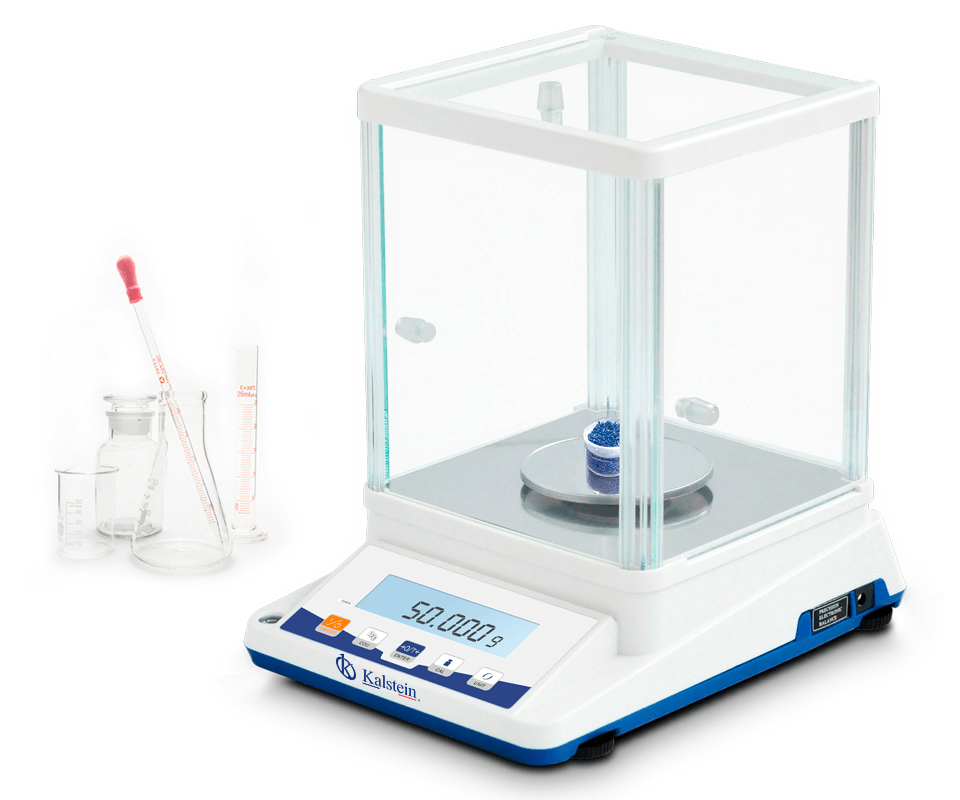
Maximizing ROI and Cost-Benefit Analysis for Precision Balances in Laboratories
For laboratory professionals, understanding the return on investment (ROI) and conducting a thorough cost-benefit analysis are essential when selecting precision balances. Precision balances are integral to laboratory workflows, ensuring accurate measurements that significantly impact research and product quality. This article will provide a comprehensive analysis of various models, focusing on how they can help optimize financial resources while maintaining high standards in laboratory practices.
The Importance of ROI in Laboratory Equipment Acquisition
ROI is a critical metric for laboratories, determining the financial efficacy of an investment over time. When acquiring precision balances, laboratories must consider not just the initial purchase price but also the long-term benefits such as accuracy, reliability, and operational efficiency. Understanding how each model contributes to overall laboratory performance can aid in justifying expenses to management and stakeholders.
Cost-Benefit Analysis Framework for Precision Balances
A thorough cost-benefit analysis involves evaluating both direct and indirect costs associated with each model. Direct costs include purchase price, maintenance, and calibration expenses, while indirect costs might encompass training, downtime, or inefficiencies caused by inaccurate measurements. Establishing a clear framework allows laboratories to make informed decisions based on quantitative data rather than solely on brand preference or initial costs.
Comparison of Available Models
| Model | Initial Cost (USD) | Capacity | Cost per Test (Est.) | Recommended Scenario |
|---|---|---|---|---|
| YR05584 | 75.00 | 110g | 0.05 | Small laboratories focusing on precision |
| YR05585 | 80.00 | 210g | 0.08 | General laboratory use with moderate demand |
| YR05586 | 80.00 | 310g | 0.09 | Research settings requiring higher capacities |
| YR05587 | 80.00 | 110g/610g | 0.07 | Versatile applications in different lab environments |
| YR05588 | 31.00 | 210g | 0.03 | Cost-effective solution for basic weighing tasks |
| YR05589 | 31.00 | 310g | 0.04 | Best for entry-level labs |
Evaluating the Total Cost of Ownership (TCO)
The total cost of ownership (TCO) is a vital consideration when selecting precision balances. TCO encompasses the purchase price, maintenance, operational costs, and any associated training expenditures. For example, a model like the YR05584, while initially less expensive, may incur higher calibration costs if its accuracy is compromised over time. Evaluating TCO allows labs to understand the real financial impact of their equipment choices.
Common Mistakes and How to Avoid Them
Many laboratories fall prey to common pitfalls when selecting precision balances. One significant error is prioritizing initial cost over long-term value. Additionally, failing to assess the specific weighing needs of a laboratory can result in purchasing equipment that does not meet operational demands. It is crucial for laboratories to conduct thorough assessments and consider future growth and changes in protocols before making a decision.
Integrating Precision Balances into Laboratory Workflow
Integrating precision balances seamlessly into laboratory workflows can enhance productivity and efficiency. For instance, ensuring that all personnel are adequately trained on the specific models used, such as the YR05585, can prevent errors and improve measurement accuracy. Moreover, regular maintenance and calibration schedules must be established to ensure each balance remains within specified tolerances.
Implementing Maintenance Strategies for Longevity
To maximize the ROI of precision balances, laboratories should implement proactive maintenance strategies. This includes routine checks, calibrations, and addressing any issues before they escalate. For example, a model like the YR05586, used in a high-throughput environment, would benefit from scheduled calibrations every six months to maintain its accuracy and reduce operational downtime.
Frequently Asked Questions
How can I calculate ROI for precision balances in my lab environment?
Calculating ROI involves assessing the initial investment, operational costs, and the financial benefits of improved accuracy. For precision balances like the YR05587, consider factors like reduced reagent waste and increased throughput when determining overall returns.
What factors should I consider for cost-benefit analysis of precision balances?
Factors include initial cost, maintenance, accuracy, calibration frequency, and operational efficiency. For instance, the YR05584 offers a lower purchase price but may require frequent calibrations, impacting long-term costs.
How often should I calibrate my precision balance for optimal performance?
Calibration frequency can vary; however, it is generally recommended to calibrate models like the YR05585 every three to six months, depending on usage intensity and environmental conditions.
Which precision balance model is best for high-throughput laboratories?
The YR05586, with a capacity of 310g, is ideal for high-throughput labs due to its speed and accuracy, making it efficient for frequent weighing tasks.
What common mistakes do labs make when purchasing precision balances?
Common mistakes include prioritizing upfront costs over long-term value and failing to assess the specific needs of the lab. Evaluating models like the YR05588 against operational demands is critical.
How can I ensure the longevity of my precision balances?
Implementing a proactive maintenance schedule, including regular calibration and routine checks, can significantly extend the longevity of models such as the YR05589, ensuring consistent performance.
What is the impact of precision balance accuracy on laboratory results?
Accuracy directly influences the reliability of laboratory results. Models like the YR05587 provide high accuracy, minimizing errors that could lead to costly mistakes in research outcomes.
How do I select the right precision balance model for my specific needs?
Selecting the right model involves evaluating your laboratory’s capacity requirements, budget constraints, and operational demands. The YR05584 is excellent for small labs, while the YR05586 suits larger applications.
If you are looking for a fusion of innovation and quality, you have come to the right place. At Kalstein, we offer you the luxury of exploring our exclusive catalog of laboratory equipment. We manufacture every device to the highest standards of excellence. Our intuitive and seamless online purchasing channels are designed for your convenience, securing the most competitive prices. Hesitate no longer — we bring science to life, it is time to become part of our community.