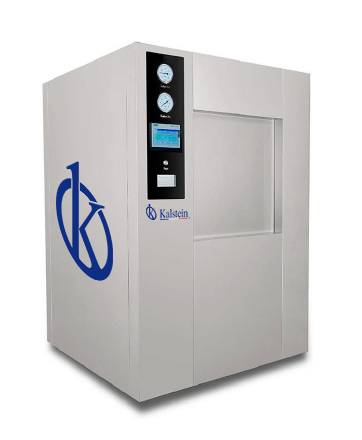
Maximizing ROI through Cost-Benefit Analysis of Vertical Autoclaves
In the realm of laboratory operations, Vertical Autoclaves play a critical role in ensuring the sterilization and sanitation of equipment. Their efficiency not only impacts safety but also the overall operational costs. To maximize return on investment (ROI), it is essential to conduct a thorough cost-benefit analysis focusing on the key models available in the market.
Understanding the Importance of Cost-Benefit Analysis in Laboratory Settings
Cost-benefit analysis allows laboratory professionals to evaluate the financial ramifications of investing in Vertical Autoclaves. It measures the anticipated benefits against the costs associated with acquiring, operating, and maintaining these sterilization devices. Through this analysis, laboratories can make informed decisions tailored to their specific operational needs, ensuring optimal resource allocation and efficiency.
Key Metrics in Cost-Benefit Analysis
When analyzing the ROI of Vertical Autoclaves, there are several key metrics to consider:
- Initial Investment (CAPEX): The upfront cost of purchasing the autoclave.
- Operating Costs (OPEX): Includes maintenance, energy consumption, and labor involved in running the autoclave.
- Payback Period: The time it takes for the benefits to cover the initial investment.
- Cost per Sterilization Cycle: The average cost incurred for each sterilization process.
Comparison of Available Models
| Model | Initial Investment (USD) | Cost per Sterilization Cycle (USD) | Payback Period (Months) | Best For |
|---|---|---|---|---|
| YR05653 | 13030.00 | 1.50 | 10 | Laboratories with high sterilization demands |
| YR05653-1 | 14394.00 | 1.60 | 11 | Research institutions needing advanced features |
| YR05655 | 724.00 | 0.50 | 5 | Small labs with limited budgets |
| YR05656 | 853.00 | 0.55 | 6 | Mid-sized labs focusing on efficiency |
| YR05657 | 1210.00 | 0.70 | 7 | Labs needing reliable performance |
| YR05658 | 1448.00 | 0.75 | 8 | Research labs with high-throughput demands |
Common Mistakes and How to Avoid Them
In the process of selecting and implementing a Vertical Autoclave, laboratories often make several common mistakes:
- Neglecting Operational Needs: Failing to assess specific sterilization needs can lead to over- or under-investment in equipment.
- Ignoring Total Cost of Ownership: Focusing solely on purchase price can obscure long-term operational costs.
- Underestimating Maintenance Requirements: Every autoclave requires regular maintenance, which can affect overall ROI.
- Failure to Train Staff: Inadequate training on proper operation can lead to inefficient use and increased wear and tear.
Optimizing Energy Consumption of Vertical Autoclaves
Energy consumption is a significant factor in the total cost of ownership for Vertical Autoclaves. Optimizing energy usage not only reduces costs but also contributes to a laboratory's sustainability goals. Consider implementing the following strategies:
- Use models with energy-efficient heating elements.
- Schedule sterilization cycles during off-peak energy hours.
- Regularly maintain the autoclave to ensure optimal performance.
Evaluating Maintenance Costs in a Cost-Benefit Analysis
Maintenance costs for Vertical Autoclaves can vary significantly based on usage, model, and condition. Incorporating anticipated maintenance costs into the initial budget is crucial for accurate ROI calculations. Establish a maintenance schedule and consider using models known for reliability to reduce unexpected expenses.
Cost-Benefit Analysis Scenarios for Different Laboratory Sizes
Different laboratory sizes will have varying needs and budget constraints, which can impact the cost-benefit analysis. Below are some hypothetical scenarios:
| Laboratory Size | Recommended Model | Initial Investment (USD) | Annual Operational Cost (USD) | Estimated Annual Benefits (USD) |
|---|---|---|---|---|
| Small (1-5 staff) | YR05655 | 724.00 | 1,500.00 | 5,000.00 |
| Medium (6-15 staff) | YR05656 | 853.00 | 2,000.00 | 10,000.00 |
| Large (16+ staff) | YR05653 | 13030.00 | 5,000.00 | 30,000.00 |
Frequently Asked Questions
What financial benefits can I expect from using a Vertical Autoclave in my lab?
Implementing a Vertical Autoclave like YR05653 can lead to significant financial benefits, including reduced labor costs and increased sterilization efficiency. This model's payback period is approximately 10 months, making it a sound investment for labs needing reliable sterilization.
How does the initial investment of a Vertical Autoclave impact long-term ROI?
The initial investment for models like YR05655, priced at $724, is relatively low, allowing for a quicker break-even point with an estimated payback period of 5 months. This enhances the long-term ROI through consistent and cost-effective sterilization.
Which features of Vertical Autoclaves contribute to lower operational costs?
Vertical Autoclaves such as YR05656 offer energy-efficient operation and low maintenance requirements, contributing to reduced operational costs. These factors are crucial for maintaining a favorable ROI in lab settings.
How can I assess the cost-effectiveness of different Vertical Autoclave models?
Assessing cost-effectiveness involves comparing CAPEX, OPEX, and payback periods across models like YR05653 and YR05657. Tools like cost-benefit analysis tables can highlight potential returns and assist in making informed decisions.
What role does maintenance play in ensuring the ROI of a Vertical Autoclave?
Regular maintenance is essential for models such as YR05655 to ensure they operate efficiently. Neglecting maintenance can lead to breakdowns and increased costs, negatively impacting ROI. Incorporating maintenance costs into the overall analysis is vital.
How can I optimize energy consumption for my Vertical Autoclave?
To optimize energy consumption, consider using energy-efficient models like YR05656 and scheduling operations during off-peak hours. This can lead to lower utility costs and better overall financial performance.
What is the best way to calculate the payback period for a Vertical Autoclave?
The payback period can be calculated by dividing the initial investment by the annual net benefits. For instance, for YR05653, if the annual net benefits are $1,500, the payback period would be approximately 10 months.
What factors should I consider in my cost-benefit analysis for Vertical Autoclaves?
Essential factors include initial purchase price, operating costs, expected lifespan, and maintenance expenses. Models like YR05657 provide reliable performance that can enhance your analysis outcomes and ROI.
If you are looking for a fusion of innovation and quality, you have come to the right place. At Kalstein, we offer you the luxury of exploring our exclusive catalog of laboratory equipment. We manufacture every device to the highest standards of excellence. Our intuitive and seamless online purchasing channels are designed for your convenience, securing the most competitive prices. Hesitate no longer — we bring science to life, it is time to become part of our community.