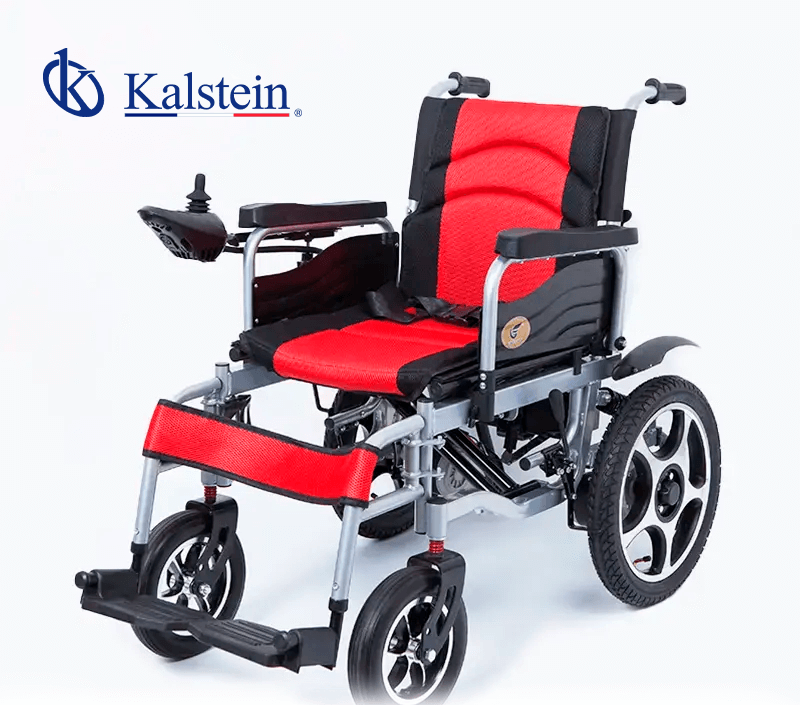
Maximizing Return on Investment in Electric Wheelchairs: A Cost-Benefit Analysis for Laboratories
In the contemporary landscape of laboratory operations and medical facilities, the evaluation of investments plays a critical role. Electric wheelchairs have become an essential asset, particularly in environments where mobility is a necessity for both patients and staff. Understanding the return on investment (ROI) and conducting a comprehensive cost-benefit analysis is vital for making informed decisions. This article will delve into the various models of electric wheelchairs, examining their features and how they can offer significant returns in laboratory settings.
Understanding Return on Investment for Electric Wheelchairs
The concept of ROI is straightforward yet essential: it calculates the profitability of an investment relative to its cost. In the context of electric wheelchairs, laboratories must consider direct costs, such as purchase price and maintenance, alongside indirect benefits, including enhanced patient care and increased operational efficiency.
Cost-Benefit Analysis for Electric Wheelchairs
A thorough cost-benefit analysis involves evaluating the total costs against the benefits derived from electric wheelchair utilization. Factors to consider include lifespan, insurance costs, repair expenses, and potential revenue generated through improved patient throughput. Each model offers unique features that can influence the financial outcomes of their implementation.
Comparison of Available Models
| Model | CAPEX (USD) | Cost per Use (USD) | Payback Period (Months) | Recommended Scenario |
|---|---|---|---|---|
| YR05440 | 317.00 | 1.25 | 12 | Short-term patient transport |
| YR05441 | 352.00 | 1.50 | 14 | General mobility assistance |
| YR05442 | 793.00 | 2.00 | 20 | Outdoor and rugged use |
| YR05443 | 678.00 | 1.75 | 18 | Remote control operations |
| YR05444 | 1125.70 | 3.00 | 22 | High-tech environments |
| YR05445 | 610.00 | 1.90 | 16 | Frequent transport needs |
Factors Influencing ROI in Electric Wheelchairs
When evaluating the ROI for electric wheelchairs, several factors must be analyzed. Initial purchase costs (CAPEX), ongoing maintenance, and operational expenses (OPEX) will heavily influence the overall return. Furthermore, the quality of service and improvements in patient throughput add value that can often be quantified in monetary terms. The choice of model directly impacts these financial metrics.
Operational Efficiency and Patient Care
Electric wheelchairs significantly enhance operational efficiency in laboratories by reducing transport times for patients. For instance, models like YR05442 are designed for rugged terrain, allowing for smooth mobility even in challenging environments. Such capabilities not only improve patient satisfaction but also increase the throughput of laboratory services, which can contribute positively to ROI.
Common Mistakes and How to Avoid Them
In conducting a cost-benefit analysis, common mistakes can lead to poor decision-making. One significant error is neglecting the long-term operational costs associated with electric wheelchairs, such as battery replacements and repair costs. Additionally, failing to account for the intangible benefits like patient comfort and staff efficiency can skew the analysis. Properly assessing both quantitative and qualitative aspects is crucial.
Frequently Asked Questions
How does the YR05440 electric wheelchair enhance ROI in laboratory settings?
The YR05440 electric wheelchair, priced at $317, is designed for short-term patient transport, which can significantly reduce waiting times and improve operational efficiency. Calculating the cost per use at $1.25 helps laboratories evaluate its financial impact over time.
What are the maintenance costs associated with the YR05441 electric wheelchair?
For the YR05441 model, maintenance costs should be factored into the total cost of ownership. With a purchase price of $352, understanding typical repair and upkeep expenses ensures that laboratories accurately assess the overall cost-effectiveness.
Which electric wheelchair model is best for rugged environments?
The YR05442 electric wheelchair is specifically designed for outdoor use, handling up to 200KG and climbing slopes efficiently, making it ideal for rugged environments. Its cost and operational capabilities provide significant returns in challenging settings.
How can laboratories ensure effective use of electric wheelchairs?
Maximizing the utility of electric wheelchairs like the YR05443 involves training staff on operational protocols. With a price of $678, understanding its features ensures that laboratories can achieve efficient patient transport and improve workflow.
What financial benefits can be expected from electric wheelchairs over time?
Electric wheelchairs provide financial benefits through reduced transport time and operational efficiency in laboratories. For example, the YR05444 model, priced at $1125.70, can enhance patient throughput significantly, yielding long-term savings.
How do electric wheelchairs contribute to patient care quality?
Electric wheelchairs like the YR05445 improve patient care quality by enhancing mobility and comfort. With a maximum speed of 8 km/h and a cost-effective operational model, they can significantly contribute to better patient experiences in laboratory settings.
What factors should be considered when selecting an electric wheelchair model?
When choosing an electric wheelchair, laboratories should consider factors such as model specifications, maintenance costs, and expected ROI. Evaluating models like YR05440 and YR05441 against your specific needs will optimize usage and benefits.
Conclusion
In summary, the analysis of electric wheelchairs in laboratory settings reveals that understanding ROI and conducting a cost-benefit analysis is paramount. Each model offers unique advantages that can significantly impact both operational efficiency and patient care outcomes. By selecting the right wheelchair tailored to specific needs, laboratories can maximize their investment.
If you are looking for a fusion of innovation and quality, you have come to the right place. At Kalstein, we offer you the luxury of exploring our exclusive catalog of laboratory equipment. We manufacture every device to the highest standards of excellence. Our intuitive and seamless online purchasing channels are designed for your convenience, securing the most competitive prices. Hesitate no longer — we bring science to life, it is time to become part of our community.